

İLKE Vakfı
Platform
No Result
View All Result
  • PLATFORM
  • HABERLER
    İLKE Agenda: Muzzammil Ayyub Thakur ile Keşmir’in “Filistinleştirilmesi”

    İLKE Agenda: Muzzammil Ayyub Thakur ile Keşmir’in “Filistinleştirilmesi”

    İLKE Agenda: Muzzammil Ayyub Thakur ile Keşmir’in “Filistinleştirilmesi”

    The Platform Talks: Kinda Hawasli ile 8 Aralık Sonrası Suriye

    İLKE Agenda: Muzzammil Ayyub Thakur ile Keşmir’in “Filistinleştirilmesi”

    The Platform Talks: Azzam Tamimi ile 7 Ekim Sonrası Filistin

    İLKE Agenda: Muzzammil Ayyub Thakur ile Keşmir’in “Filistinleştirilmesi”

    İLKE Agenda: Gazze Soykırımı Günlerinde Aktivizm ve İslamofobi

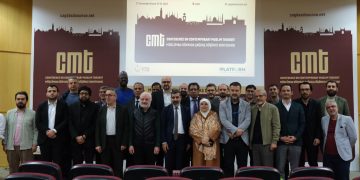
    Filistin Sempozyumu: Filistin ve Küresel İlişkilerin Geleceği

    Filistin Sempozyumu: Filistin ve Küresel İlişkilerin Geleceği

    Filistin Sempozyumu: Filistin ve Küresel İlişkilerin Geleceği

    Müslüman Dünyada Çağdaş Düşünce Konferansı’nda buluşuyoruz!

    Filistin Sempozyumu: Filistin ve Küresel İlişkilerin Geleceği

    Müslüman Dünyada Çağdaş Düşünce Konferansı

    Filistin Sempozyumu: Filistin ve Küresel İlişkilerin Geleceği

    Dr. Jonathan Brown “İslam’ın Siyahiliğe ve Köleliğe Yaklaşımı” adlı seminer gerçekleştirdi.

  • ANALİZLER
    • All
    • Düşünce
    • Eğitim
    • Ekonomi
    • Enerji ve Çevre
    • Göç
    • Medya, Kültür ve Sanat
    • Temel Hak ve Özgürlükler
    • Toplumsal Meseleler
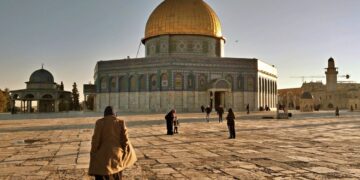
    The Gravity of What Took Place at Al-Aqsa Mosque During Ramadan 2026

    Ramazan 2026’da Mescid-i Aksa’da Yaşananların Ciddiyeti

    AFP/GETTY IMAGES

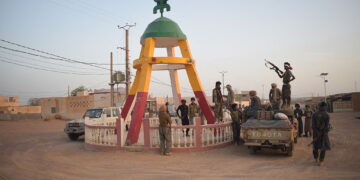
    FLA-JNIM İş Birliği ve Mali’de Değişen Güvenlik Dinamikleri

    Sosyal Medyada İslamcı-Muhafazakâr Kamusallığın Dönüşümü Üzerine

    Sosyal Medyada İslamcı-Muhafazakâr Kamusallığın Dönüşümü Üzerine

    Bangladeş’te 2026 Seçimleri Sonrası Siyasi Tartışmalar

    Bangladeş’te 2026 Seçimleri Sonrası Siyasi Tartışmalar

    Filistin’de Çocuk Olmak: 5 Nisan Filistinli Çocuklar Günü

    Filistin’de Çocuk Olmak: 5 Nisan Filistinli Çocuklar Günü

    Security, Fragility, and the Search for a New Equilibrium in the Gulf Following the Iranian Attacks

    İran Saldırıları Sonrası Körfez’de Güvenlik, Kırılganlık ve Yeni Denge Arayışı

  • SÖYLEŞİLER
    The Decolonization of Knowledge: Interview with Professor Souleymane Bachir Diagne

    Bilginin Dekolonizasyonu: Profesör Souleymane Bachir Diagne ile Röportaj

    A Possible New Breath in Regional Balances: The Alliance of Türkiye, Pakistan, Egypt, and Saudi Arabia

    Bölgesel Dengelerde Olası Yeni Bir Soluk: Türkiye, Pakistan, Mısır ve Suudi Arabistan İttifakı

    Digital Ummah and Muslim Identity: Dr. Sahar Khamis Interview

    Dijital Ümmet ve Müslüman Kimliği: Dr. Sahar Khamis ile Röportaj

    From the Ballot Box to the Street: The Rising Social Wave in Tanzania After the Election

    Sandıktan Sokağa: Tanzanya’da Seçim Sonrası Yükselen Toplumsal Dalga

    Müslüman Nüfusa Karşı Güvenlikleştirme

    Müslüman Nüfusa Karşı Güvenlikleştirme

    Gurbet Hikayeleri

    Gurbet Hikayeleri

    Göçü Yönetmek: Dr. Mehmet Köse’yle Söyleşi

    Göçü Yönetmek: Dr. Mehmet Köse’yle Söyleşi

    İstanbul’daki Uluslararası Öğrencilerle Söyleşi

    İstanbul’daki Uluslararası Öğrencilerle Söyleşi

    Zaytuna College Lisansüstü Eğitim Dekanı Maşuk Yamaç’la Söyleşi

    Zaytuna College Lisansüstü Eğitim Dekanı Maşuk Yamaç’la Söyleşi

  • DÜNYADAN SESLER
    Voices from the Muslim World | Sari Hanafi (with Turkish subtitles)

    Voices from the Muslim World | Sari Hanafi (with Turkish subtitles)

    Voices from the Muslim World | Ovamir Anjum

    Voices from the Muslim World | Ovamir Anjum

    VOICES FROM THE MUSLIM WORLD | DR. YASIR QADHI

    VOICES FROM THE MUSLIM WORLD | DR. YASIR QADHI

    VOICES FROM THE MUSLIM WORLD | DR. ADEEL MALIK

    VOICES FROM THE MUSLIM WORLD | DR. ADEEL MALIK

  • SAYILAR
  • VERİTABANI
    • All
    • Hareketler
    • Kurumlar
    • Şahsiyetler
    Pak-Türk Maarif

    Pak-Türk Maarif

    İslam Vakfı

    İslam Vakfı

    Avrupa Fetva ve Araştırma Konseyi

    Avrupa Fetva ve Araştırma Konseyi

    Tokyo Camii ve Diyanet Türk Kültür Merkezi

    Tokyo Camii ve Diyanet Türk Kültür Merkezi

  • PLATFORM
  • HABERLER
    İLKE Agenda: Muzzammil Ayyub Thakur ile Keşmir’in “Filistinleştirilmesi”

    İLKE Agenda: Muzzammil Ayyub Thakur ile Keşmir’in “Filistinleştirilmesi”

    İLKE Agenda: Muzzammil Ayyub Thakur ile Keşmir’in “Filistinleştirilmesi”

    The Platform Talks: Kinda Hawasli ile 8 Aralık Sonrası Suriye

    İLKE Agenda: Muzzammil Ayyub Thakur ile Keşmir’in “Filistinleştirilmesi”

    The Platform Talks: Azzam Tamimi ile 7 Ekim Sonrası Filistin

    İLKE Agenda: Muzzammil Ayyub Thakur ile Keşmir’in “Filistinleştirilmesi”

    İLKE Agenda: Gazze Soykırımı Günlerinde Aktivizm ve İslamofobi

    Filistin Sempozyumu: Filistin ve Küresel İlişkilerin Geleceği

    Filistin Sempozyumu: Filistin ve Küresel İlişkilerin Geleceği

    Filistin Sempozyumu: Filistin ve Küresel İlişkilerin Geleceği

    Müslüman Dünyada Çağdaş Düşünce Konferansı’nda buluşuyoruz!

    Filistin Sempozyumu: Filistin ve Küresel İlişkilerin Geleceği

    Müslüman Dünyada Çağdaş Düşünce Konferansı

    Filistin Sempozyumu: Filistin ve Küresel İlişkilerin Geleceği

    Dr. Jonathan Brown “İslam’ın Siyahiliğe ve Köleliğe Yaklaşımı” adlı seminer gerçekleştirdi.

  • ANALİZLER
    • All
    • Düşünce
    • Eğitim
    • Ekonomi
    • Enerji ve Çevre
    • Göç
    • Medya, Kültür ve Sanat
    • Temel Hak ve Özgürlükler
    • Toplumsal Meseleler
    The Gravity of What Took Place at Al-Aqsa Mosque During Ramadan 2026

    Ramazan 2026’da Mescid-i Aksa’da Yaşananların Ciddiyeti

    AFP/GETTY IMAGES

    FLA-JNIM İş Birliği ve Mali’de Değişen Güvenlik Dinamikleri

    Sosyal Medyada İslamcı-Muhafazakâr Kamusallığın Dönüşümü Üzerine

    Sosyal Medyada İslamcı-Muhafazakâr Kamusallığın Dönüşümü Üzerine

    Bangladeş’te 2026 Seçimleri Sonrası Siyasi Tartışmalar

    Bangladeş’te 2026 Seçimleri Sonrası Siyasi Tartışmalar

    Filistin’de Çocuk Olmak: 5 Nisan Filistinli Çocuklar Günü

    Filistin’de Çocuk Olmak: 5 Nisan Filistinli Çocuklar Günü

    Security, Fragility, and the Search for a New Equilibrium in the Gulf Following the Iranian Attacks

    İran Saldırıları Sonrası Körfez’de Güvenlik, Kırılganlık ve Yeni Denge Arayışı

  • SÖYLEŞİLER
    The Decolonization of Knowledge: Interview with Professor Souleymane Bachir Diagne

    Bilginin Dekolonizasyonu: Profesör Souleymane Bachir Diagne ile Röportaj

    A Possible New Breath in Regional Balances: The Alliance of Türkiye, Pakistan, Egypt, and Saudi Arabia

    Bölgesel Dengelerde Olası Yeni Bir Soluk: Türkiye, Pakistan, Mısır ve Suudi Arabistan İttifakı

    Digital Ummah and Muslim Identity: Dr. Sahar Khamis Interview

    Dijital Ümmet ve Müslüman Kimliği: Dr. Sahar Khamis ile Röportaj

    From the Ballot Box to the Street: The Rising Social Wave in Tanzania After the Election

    Sandıktan Sokağa: Tanzanya’da Seçim Sonrası Yükselen Toplumsal Dalga

    Müslüman Nüfusa Karşı Güvenlikleştirme

    Müslüman Nüfusa Karşı Güvenlikleştirme

    Gurbet Hikayeleri

    Gurbet Hikayeleri

    Göçü Yönetmek: Dr. Mehmet Köse’yle Söyleşi

    Göçü Yönetmek: Dr. Mehmet Köse’yle Söyleşi

    İstanbul’daki Uluslararası Öğrencilerle Söyleşi

    İstanbul’daki Uluslararası Öğrencilerle Söyleşi

    Zaytuna College Lisansüstü Eğitim Dekanı Maşuk Yamaç’la Söyleşi

    Zaytuna College Lisansüstü Eğitim Dekanı Maşuk Yamaç’la Söyleşi

  • DÜNYADAN SESLER
    Voices from the Muslim World | Sari Hanafi (with Turkish subtitles)

    Voices from the Muslim World | Sari Hanafi (with Turkish subtitles)

    Voices from the Muslim World | Ovamir Anjum

    Voices from the Muslim World | Ovamir Anjum

    VOICES FROM THE MUSLIM WORLD | DR. YASIR QADHI

    VOICES FROM THE MUSLIM WORLD | DR. YASIR QADHI

    VOICES FROM THE MUSLIM WORLD | DR. ADEEL MALIK

    VOICES FROM THE MUSLIM WORLD | DR. ADEEL MALIK

  • SAYILAR
  • VERİTABANI
    • All
    • Hareketler
    • Kurumlar
    • Şahsiyetler
    Pak-Türk Maarif

    Pak-Türk Maarif

    İslam Vakfı

    İslam Vakfı

    Avrupa Fetva ve Araştırma Konseyi

    Avrupa Fetva ve Araştırma Konseyi

    Tokyo Camii ve Diyanet Türk Kültür Merkezi

    Tokyo Camii ve Diyanet Türk Kültür Merkezi

No Result
View All Result
Platform
No Result
View All Result
Home Interviews

Muslims and Islamic Education in the Caucasus: An Interview with Selim Burak North Caucasus Coordinator in Directorate of Religious Affairs

Selim Akburak by Selim Akburak
3 Ekim 2025
in Interviews
0
Muslims and Islamic Education in the Caucasus: An Interview with Selim Burak North Caucasus Coordinator in Directorate of Religious Affairs
0
SHARES
3
VIEWS
Share on FacebookShare on Twitter

As someone who coordinates the religious affairs of the Caucasus region, we are interested in your journey from Türkiye to the Caucasus. Could you briefly tell us about your life story?

I belong to a Circassian family who settled in Kayseri after the exile from the Caucasus in the 1890s. I completed my secondary and high school education at Imam Hatip schools in Kayseri, and after a while, I came to Kabardino-Balkaria Republic in 1995 to work in religious affairs through Kayseri Caucasian Association and at the invitation of Mufti Pshihache Shafig. I graduated from Karachay-Cherkesk Higher Islamic Institute. Since 2015, I have been appointed by the Presidency of Religious Affairs of the Republic of Türkiye and I have been the coordinator of the North Caucasus region consisting of 10 republics. I am also the Deputy Head of the Religious Administration of Muslims of the Kabardino-Balkaria Republic. Since 1995, I have worked as a lecturer, imam hatip, coordinator for various courses such as history of religions, Qur’anic education. Currently, I am the founder and superviser of 65 Qur’anic courses in the Kabardino-Balkaria Republic.

It is very pleasant to be here with its bitter and sweet, all aspects. As my grandfathers İshak Efendi, İsmail Efendi, Alim Efendi, who came from Caucasia and served Islam in Anatolia, my prayers to serve Islam and our compatriots in Caucasia were accepted. I am eternally grateful to my Lord for accepting my prayers.

The Caucasus, which is quite rich in terms of language, culture, belief, and demographic structure, is also an essential part of the Islamic world due to the dense Muslim population. Can you tell us about Islamic life in the region and the general condition of Muslims?

Islam was brought to the Dagestan region by the Arabs and to the western and north-western Caucasus regions by the Turks (especially during the Ottoman period). The 40 graves of the Companions, known as “Kırklar” in the Dagestan region, have become a symbol of Islam’s arrival in these lands and are considered sacred by Muslims. One of the main factors that ensure unity, solidarity, mutual respect and love in this region, which hosts many linguistic and ethnic differences, is the ummah consciousness and ummah unity provided by being a Muslim.

The majority of Muslims living in the republics of Dagestan, Chechnya and Ingushetia in the North Caucasus belong to the Shafi’i sect. Most of the Muslims in these regions are followers of tariqa; Naqshbandism and Shazism are widespread in Dagestan, while Qadirism is widespread in Chechen and Ingush regions.

In other Muslim regions of the Russian Federation such as North Ossetia, Kabardino-Balkaria, Karachay-Cherkessia, Stravpol, Kalmykia, Adygea, Krasnodar and Rostav in the central and western regions of the North Caucasus, the Hanafi sect is popular.

Salafism and Wahhabism, which have not found a place in the Islamic formations and traditions in the Caucasus for centuries, penetrated the region due to the conditions after the Russia-Chechnya war and after the 1990s, when young people in the region went to Saudi Arabia, Syria, Egypt and Jordan to receive religious education. Salafism and Wahhabism were not allowed to spread in Dagestan, Chechnya and Ingushetia. It is assumed that the prevalence of Sufi tariqas in these regions prevented the spread of Salafism and Wahhabism. In recent years, the regions where these movements are widespread are the Republic of North Ossetia-Alania, the Republic of Kabardino-Balkaria, the Stavropol Territory, the Republic of Karachay-Cherkessia, the Republic of Adygea and the Krasnodar region. In these regions, their intensity is noticeably observed in the Islamic life of the societies. In the first place, they attach great value to symbolism, which is widespread among young people.

In the Northern Black Sea regions, Adygea and Ossetia, where Muslims were once the majority, they are currently a minority. I am of the opinion that the main factor in the Christianisation of the Black Sea region was the extermination of the Muslims of the region and the exile of some of them, as well as the settlement of Christian populations in these regions. As for the Ossetians, taking into account their religious administration and authority, it is my opinion that they were one of the last regions to be reached by Islam and that the state of that period carried out special studies on the re-Christianisation of these regions before the entire society became Muslim.

Some of the inhabitants of the Mozdog region of Kabardia still practice Christianity. In one village in this region, there are both Muslim and Christian Circassians. Their churches and mosques are side by side. Although their cultures are completely the same, their religions are different. However, this difference does not constitute a major problem and they live in harmony.

In regions with dense Muslim populations, Islamic practices are very effective in the social life of Muslims. Most of the society has a high level of sensitivity about the five daily prayers, fasting, pilgrimage and zakat. In regions where Muslims are in minority, Islam is not influential in daily life. In these region, people act with the conscience that they are Muslims; they attach importance to matters such as Eid prayers, sacrifice, halal slaughter/consumption, fasting and tarawih. However, they are not sensitive about the five daily prayers and alcohol consumption.

As the coordinator of religious affairs in 10 republics in the Caucasus region, we would like to ask you about religious education in the region. What is the status of Islamic education in the region? Could you briefly describe its past and present in a comparative way?

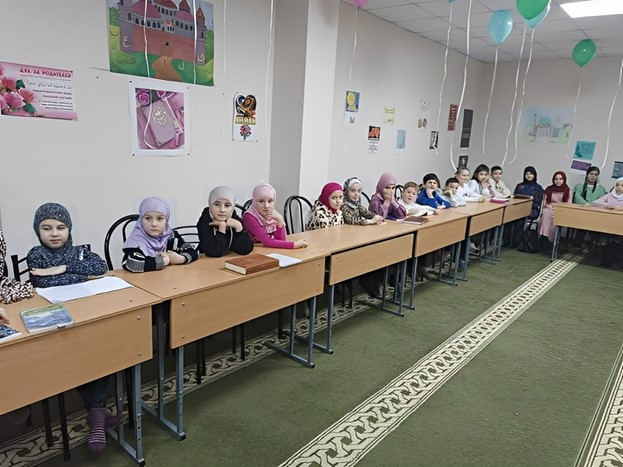
In the North Caucasus region, where no religious organisations were allowed before 1990 and no religious monuments remained except for a certain number of historical mosques and madrasas, today there are nine religious administrations under one presidency and thousands of mosques, Qur’an courses and madrasas. Currently, there are 12 Islamic Universities, Higher Islamic Institutes and academies in the Russian Federation. Courses such as religious culture and ethics, and history of religions are taught in public schools. In all regions where Muslims live, there are Muslim religious administrations and mufti offices. There are Muslim Qur’an courses, hafiz courses and madrasahs in each region.

I would like to say a few words about the Republic of Kabardino-Balkaria, where I am currently serving, as an example of the Caucasus region in general. 

I am about to complete my twenty-eighth year of service in the region, where I came for one year at the invitation of the Head of the Religious Administration of the Kabardino-Balkaria Republic. During this time I have not witnessed any legal obstacles to the practice of Islam. Not only Islam, but all faiths are practised freely, as long as people do not interfere in the political sphere of the state. In 2005, the Foundation for Strengthening Religious Education, Culture and Religious Administration was established. The main purpose of the establishment of this foundation is to provide financial support for religious education and organisations in this country.

As of today, there is a Muslim religious administration in the Republic of Kabardino-Balkaria. Our religious administration is represented by 1 president, 1 mufti, 3 deputy muftis, 8 imams in 8 regions (with the status of provincial mufti), 165 religious officials, imam hatip and their assistants. One of the 8 Islamic universities in the Russian Federation, the North Caucasus Imam Abu Hanifa Islamic University is located in Nalchik, the capital of the Kabardino-Balkaria Republic. Also, in Nalchik, under our religious administration, there are 65 Qur’an courses where more than a thousand students, from seven to seventy, are taught basic religious knowledge every year and where our esteemed professors take part, whose programme and supervision is carried out by me.

Annually, our religious administration organises national and international seminars and conferences with the support of the state. Under the leadership of the state, our administration organises religious, moral, cultural and educational programmes in state-owned educational institutions, universities, prisons, various colleges and all schools, primary and high schools of the Republic. On holy days and nights, in particular every Friday evening and every Friday morning, religious programmes are broadcast on state television and radio.

Each year all our religious officials, their assistants and volunteer participants attend two-week long proficiency courses. Every year in our republic the birth of the Prophet (SAW) is celebrated with mevlit programmes for a month. During the month of Ramadan we organise Iftar and Irshad events, and on the Eids of Ramadan and Eid al-Adha we hold educational programmes.

On 7 June 1995, in Nalchik Muftiate, where I was appointed for one year, I led Friday prayers for only 18 people, and today 3,500 people attend Friday prayers in the capital Nalchik. In our republic, there is no village or city in which the call to prayer is not heard. Prayers are performed five times a day in all our mosques.  Wherever a Muslim is, if he wants to learn Islam, he can access it at any time, alhamdulillah. The number of our mosques and courses is increasing with each passing day. This alone is enough to show the point reached.

In addition, we have students from these regions who have received religious education in Türkiye and are now continuing their education in their home countries. Under the coordination of TCDİB, TDV, TCMEB, students from the Caucasus receive education in Imam Hatip high schools, theology faculties and Qur’an courses in Türkiye through various programmes. We have students who have master’s and doctorate degrees and are still continuing their education. These brothers and sisters make great contributions to religious education in the Caucasus after returning from their education.


Tags: CaucasusIslamic EducationMuslims
Previous Post

Cultural Identity Crisis: Muslims and Jews Living in Jerusalem

Next Post

Avrupa ve Amerika’da İslami Eğitim

Next Post
Islamic Religious Education in Europe and America

Avrupa ve Amerika'da İslami Eğitim

Bir yanıt yazın Yanıtı iptal et

E-posta adresiniz yayınlanmayacak. Gerekli alanlar * ile işaretlenmişlerdir

  • A Possible New Breath in Regional Balances: The Alliance of Türkiye, Pakistan, Egypt, and Saudi Arabia

    Bölgesel Dengelerde Olası Yeni Bir Soluk: Türkiye, Pakistan, Mısır ve Suudi Arabistan İttifakı

    0 shares
    Share 0 Tweet 0
  • Nakşibendi-Hakkani Tarikatı

    0 shares
    Share 0 Tweet 0
  • Bilime Yön Verenler: Nobel Ödüllü Müslüman Bilim İnsanları

    0 shares
    Share 0 Tweet 0
  • Fuad Sezgin

    0 shares
    Share 0 Tweet 0
  • Sosyal Medyada İslamcı-Muhafazakâr Kamusallığın Dönüşümü Üzerine

    0 shares
    Share 0 Tweet 0
  • The Gravity of What Took Place at Al-Aqsa Mosque During Ramadan 2026

    Ramazan 2026’da Mescid-i Aksa’da Yaşananların Ciddiyeti

    0 shares
    Share 0 Tweet 0
  • The Gravity of What Took Place at Al-Aqsa Mosque During Ramadan 2026

    0 shares
    Share 0 Tweet 0
  • FLA-JNIM Cooperation and Shifting Security Dynamics in Mali

    0 shares
    Share 0 Tweet 0
  • FLA-JNIM İş Birliği ve Mali’de Değişen Güvenlik Dinamikleri

    0 shares
    Share 0 Tweet 0
  • The Current State of Indonesia’s Luxury Industry and the Landscape of Independent Handcrafted Watchmaking

    0 shares
    Share 0 Tweet 0

Platform: Müslüman Dünyanın Gündemi, Müslüman toplumların fikrî, siyasi, sosyal, ekonomik ve kültürel gündemlerini takip ve tahlil edip Müslüman dünyaya dair güncel ve özgün perspektifler sunmayı amaçlayan bir yayın organı olarak İLKE İlim Kültür Eğitim Vakfı bünyesinde kurulmuştur.

  • SAYILAR
  • ANALİZLER
  • HABERLER
  • SÖYLEŞİLER
  • DÜNYADAN SESLER
  • platform@ilke.org.tr
  • (0216) 310 43 18
  • Aziz Mahmut Hüdayi Mah. Türbe Kapısı Sk. No: 13 Üsküdar, İstanbul

2025 @ PLATFORM bir İLKE Vakfı kuruluşudur. Tüm hakları saklıdır. 

No Result
View All Result
  • Home
  • Analizler
  • Haberler
  • Söyleşiler
  • Dünyadan Sesler