


İLKE Vakfı
Platform
No Result
View All Result
  • PLATFORM
  • HABERLER
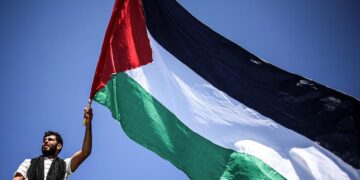
    İLKE Agenda: Muzzammil Ayyub Thakur ile Keşmir’in “Filistinleştirilmesi”

    İLKE Agenda: Muzzammil Ayyub Thakur ile Keşmir’in “Filistinleştirilmesi”

    İLKE Agenda: Muzzammil Ayyub Thakur ile Keşmir’in “Filistinleştirilmesi”

    The Platform Talks: Kinda Hawasli ile 8 Aralık Sonrası Suriye

    İLKE Agenda: Muzzammil Ayyub Thakur ile Keşmir’in “Filistinleştirilmesi”

    The Platform Talks: Azzam Tamimi ile 7 Ekim Sonrası Filistin

    İLKE Agenda: Muzzammil Ayyub Thakur ile Keşmir’in “Filistinleştirilmesi”

    İLKE Agenda: Gazze Soykırımı Günlerinde Aktivizm ve İslamofobi

    Filistin Sempozyumu: Filistin ve Küresel İlişkilerin Geleceği

    Filistin Sempozyumu: Filistin ve Küresel İlişkilerin Geleceği

    Filistin Sempozyumu: Filistin ve Küresel İlişkilerin Geleceği

    Müslüman Dünyada Çağdaş Düşünce Konferansı’nda buluşuyoruz!

    Filistin Sempozyumu: Filistin ve Küresel İlişkilerin Geleceği

    Müslüman Dünyada Çağdaş Düşünce Konferansı

    Filistin Sempozyumu: Filistin ve Küresel İlişkilerin Geleceği

    Dr. Jonathan Brown “İslam’ın Siyahiliğe ve Köleliğe Yaklaşımı” adlı seminer gerçekleştirdi.

  • ANALİZLER
    • All
    • Düşünce
    • Eğitim
    • Ekonomi
    • Enerji ve Çevre
    • Göç
    • Medya, Kültür ve Sanat
    • Temel Hak ve Özgürlükler
    • Toplumsal Meseleler
    The Gravity of What Took Place at Al-Aqsa Mosque During Ramadan 2026

    Ramazan 2026’da Mescid-i Aksa’da Yaşananların Ciddiyeti

    AFP/GETTY IMAGES

    FLA-JNIM İş Birliği ve Mali’de Değişen Güvenlik Dinamikleri

    Sosyal Medyada İslamcı-Muhafazakâr Kamusallığın Dönüşümü Üzerine

    Sosyal Medyada İslamcı-Muhafazakâr Kamusallığın Dönüşümü Üzerine

    Bangladeş’te 2026 Seçimleri Sonrası Siyasi Tartışmalar

    Bangladeş’te 2026 Seçimleri Sonrası Siyasi Tartışmalar

    Filistin’de Çocuk Olmak: 5 Nisan Filistinli Çocuklar Günü

    Filistin’de Çocuk Olmak: 5 Nisan Filistinli Çocuklar Günü

    Security, Fragility, and the Search for a New Equilibrium in the Gulf Following the Iranian Attacks

    İran Saldırıları Sonrası Körfez’de Güvenlik, Kırılganlık ve Yeni Denge Arayışı

  • SÖYLEŞİLER
    The Decolonization of Knowledge: Interview with Professor Souleymane Bachir Diagne

    Bilginin Dekolonizasyonu: Profesör Souleymane Bachir Diagne ile Röportaj

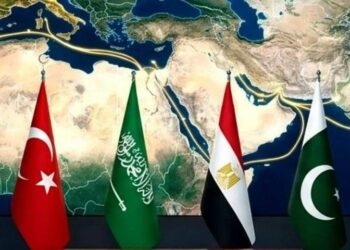
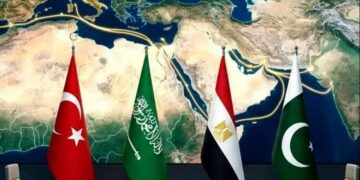
    A Possible New Breath in Regional Balances: The Alliance of Türkiye, Pakistan, Egypt, and Saudi Arabia

    Bölgesel Dengelerde Olası Yeni Bir Soluk: Türkiye, Pakistan, Mısır ve Suudi Arabistan İttifakı

    Digital Ummah and Muslim Identity: Dr. Sahar Khamis Interview

    Dijital Ümmet ve Müslüman Kimliği: Dr. Sahar Khamis ile Röportaj

    From the Ballot Box to the Street: The Rising Social Wave in Tanzania After the Election

    Sandıktan Sokağa: Tanzanya’da Seçim Sonrası Yükselen Toplumsal Dalga

    Müslüman Nüfusa Karşı Güvenlikleştirme

    Müslüman Nüfusa Karşı Güvenlikleştirme

    Gurbet Hikayeleri

    Gurbet Hikayeleri

    Göçü Yönetmek: Dr. Mehmet Köse’yle Söyleşi

    Göçü Yönetmek: Dr. Mehmet Köse’yle Söyleşi

    İstanbul’daki Uluslararası Öğrencilerle Söyleşi

    İstanbul’daki Uluslararası Öğrencilerle Söyleşi

    Zaytuna College Lisansüstü Eğitim Dekanı Maşuk Yamaç’la Söyleşi

    Zaytuna College Lisansüstü Eğitim Dekanı Maşuk Yamaç’la Söyleşi

  • DÜNYADAN SESLER
    Voices from the Muslim World | Sari Hanafi (with Turkish subtitles)

    Voices from the Muslim World | Sari Hanafi (with Turkish subtitles)

    Voices from the Muslim World | Ovamir Anjum

    Voices from the Muslim World | Ovamir Anjum

    VOICES FROM THE MUSLIM WORLD | DR. YASIR QADHI

    VOICES FROM THE MUSLIM WORLD | DR. YASIR QADHI

    VOICES FROM THE MUSLIM WORLD | DR. ADEEL MALIK

    VOICES FROM THE MUSLIM WORLD | DR. ADEEL MALIK

  • SAYILAR
  • VERİTABANI
    • All
    • Hareketler
    • Kurumlar
    • Şahsiyetler
    Pak-Türk Maarif

    Pak-Türk Maarif

    İslam Vakfı

    İslam Vakfı

    Avrupa Fetva ve Araştırma Konseyi

    Avrupa Fetva ve Araştırma Konseyi

    Tokyo Camii ve Diyanet Türk Kültür Merkezi

    Tokyo Camii ve Diyanet Türk Kültür Merkezi

  • PLATFORM
  • HABERLER
    İLKE Agenda: Muzzammil Ayyub Thakur ile Keşmir’in “Filistinleştirilmesi”

    İLKE Agenda: Muzzammil Ayyub Thakur ile Keşmir’in “Filistinleştirilmesi”

    İLKE Agenda: Muzzammil Ayyub Thakur ile Keşmir’in “Filistinleştirilmesi”

    The Platform Talks: Kinda Hawasli ile 8 Aralık Sonrası Suriye

    İLKE Agenda: Muzzammil Ayyub Thakur ile Keşmir’in “Filistinleştirilmesi”

    The Platform Talks: Azzam Tamimi ile 7 Ekim Sonrası Filistin

    İLKE Agenda: Muzzammil Ayyub Thakur ile Keşmir’in “Filistinleştirilmesi”

    İLKE Agenda: Gazze Soykırımı Günlerinde Aktivizm ve İslamofobi

    Filistin Sempozyumu: Filistin ve Küresel İlişkilerin Geleceği

    Filistin Sempozyumu: Filistin ve Küresel İlişkilerin Geleceği

    Filistin Sempozyumu: Filistin ve Küresel İlişkilerin Geleceği

    Müslüman Dünyada Çağdaş Düşünce Konferansı’nda buluşuyoruz!

    Filistin Sempozyumu: Filistin ve Küresel İlişkilerin Geleceği

    Müslüman Dünyada Çağdaş Düşünce Konferansı

    Filistin Sempozyumu: Filistin ve Küresel İlişkilerin Geleceği

    Dr. Jonathan Brown “İslam’ın Siyahiliğe ve Köleliğe Yaklaşımı” adlı seminer gerçekleştirdi.

  • ANALİZLER
    • All
    • Düşünce
    • Eğitim
    • Ekonomi
    • Enerji ve Çevre
    • Göç
    • Medya, Kültür ve Sanat
    • Temel Hak ve Özgürlükler
    • Toplumsal Meseleler
    The Gravity of What Took Place at Al-Aqsa Mosque During Ramadan 2026

    Ramazan 2026’da Mescid-i Aksa’da Yaşananların Ciddiyeti

    AFP/GETTY IMAGES

    FLA-JNIM İş Birliği ve Mali’de Değişen Güvenlik Dinamikleri

    Sosyal Medyada İslamcı-Muhafazakâr Kamusallığın Dönüşümü Üzerine

    Sosyal Medyada İslamcı-Muhafazakâr Kamusallığın Dönüşümü Üzerine

    Bangladeş’te 2026 Seçimleri Sonrası Siyasi Tartışmalar

    Bangladeş’te 2026 Seçimleri Sonrası Siyasi Tartışmalar

    Filistin’de Çocuk Olmak: 5 Nisan Filistinli Çocuklar Günü

    Filistin’de Çocuk Olmak: 5 Nisan Filistinli Çocuklar Günü

    Security, Fragility, and the Search for a New Equilibrium in the Gulf Following the Iranian Attacks

    İran Saldırıları Sonrası Körfez’de Güvenlik, Kırılganlık ve Yeni Denge Arayışı

  • SÖYLEŞİLER
    The Decolonization of Knowledge: Interview with Professor Souleymane Bachir Diagne

    Bilginin Dekolonizasyonu: Profesör Souleymane Bachir Diagne ile Röportaj

    A Possible New Breath in Regional Balances: The Alliance of Türkiye, Pakistan, Egypt, and Saudi Arabia

    Bölgesel Dengelerde Olası Yeni Bir Soluk: Türkiye, Pakistan, Mısır ve Suudi Arabistan İttifakı

    Digital Ummah and Muslim Identity: Dr. Sahar Khamis Interview

    Dijital Ümmet ve Müslüman Kimliği: Dr. Sahar Khamis ile Röportaj

    From the Ballot Box to the Street: The Rising Social Wave in Tanzania After the Election

    Sandıktan Sokağa: Tanzanya’da Seçim Sonrası Yükselen Toplumsal Dalga

    Müslüman Nüfusa Karşı Güvenlikleştirme

    Müslüman Nüfusa Karşı Güvenlikleştirme

    Gurbet Hikayeleri

    Gurbet Hikayeleri

    Göçü Yönetmek: Dr. Mehmet Köse’yle Söyleşi

    Göçü Yönetmek: Dr. Mehmet Köse’yle Söyleşi

    İstanbul’daki Uluslararası Öğrencilerle Söyleşi

    İstanbul’daki Uluslararası Öğrencilerle Söyleşi

    Zaytuna College Lisansüstü Eğitim Dekanı Maşuk Yamaç’la Söyleşi

    Zaytuna College Lisansüstü Eğitim Dekanı Maşuk Yamaç’la Söyleşi

  • DÜNYADAN SESLER
    Voices from the Muslim World | Sari Hanafi (with Turkish subtitles)

    Voices from the Muslim World | Sari Hanafi (with Turkish subtitles)

    Voices from the Muslim World | Ovamir Anjum

    Voices from the Muslim World | Ovamir Anjum

    VOICES FROM THE MUSLIM WORLD | DR. YASIR QADHI

    VOICES FROM THE MUSLIM WORLD | DR. YASIR QADHI

    VOICES FROM THE MUSLIM WORLD | DR. ADEEL MALIK

    VOICES FROM THE MUSLIM WORLD | DR. ADEEL MALIK

  • SAYILAR
  • VERİTABANI
    • All
    • Hareketler
    • Kurumlar
    • Şahsiyetler
    Pak-Türk Maarif

    Pak-Türk Maarif

    İslam Vakfı

    İslam Vakfı

    Avrupa Fetva ve Araştırma Konseyi

    Avrupa Fetva ve Araştırma Konseyi

    Tokyo Camii ve Diyanet Türk Kültür Merkezi

    Tokyo Camii ve Diyanet Türk Kültür Merkezi

No Result
View All Result
Platform
No Result
View All Result
Home Analyses

Cultural Identity Crisis: Muslims and Jews Living in Jerusalem

Abdallah Marouf Omar by Abdallah Marouf Omar
1 Ekim 2025
in Analyses
0
Cultural Identity Crisis: Muslims and Jews Living in Jerusalem
0
SHARES
2
VIEWS
Share on FacebookShare on Twitter

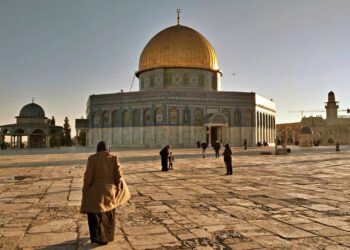
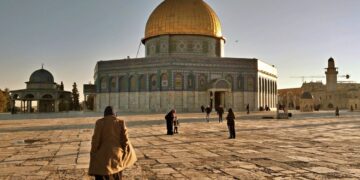
Living in Jerusalem under occupation is not easy when it comes to identity and culture. Since the occupation, Israel has been trying to strip off the city from its long-lived Arab-Islamic-Christian culture, and change the city’s face into a western-shaped Tel Aviv-like city that represents European Jewish culture. After all, Israel has always presented itself as a “Western Country in the heart of the Middle East”. However, it seems clear that Israel failed this mission, at least in the eastern side of the city, where all the historical sites are located. Eastern side of Jerusalem is in fact the main part where the character of Jerusalem manifests. The old city with its ancient walls, the Holy Sepulcher Church, the most important church in the world, and al-Aqsa Mosque with its two main landmarks, namely the Dome of the Rock and the Qibly Mosque, are all located in the eastern side of the city, which fell under occupation in 1967.

When Israel declared the “unification of the two sides of Jerusalem” soon after the occupation in 1967, the government established an approach for statistics that guarantees the superiority of the Jewish component of the inhabitants of Jerusalem. Israel occupied and ethnically cleansed about %82 of the Jerusalem in 1948, currently known as Western Jerusalem. The remaining %18 of the city, namely the eastern side, was inhabited by Palestinian Muslims and Christians. In 1967, Israel occupied this part of Jerusalem and annexed it, making the majority of the inhabitants of Jerusalem theoretically Jewish. However, the missing point here is that the majority of inhabitants of the Eastern Jerusalem, occupied in 1967, are still Muslim and Christian Palestinians. The Jewish community in Eastern Jerusalem is still a minority.

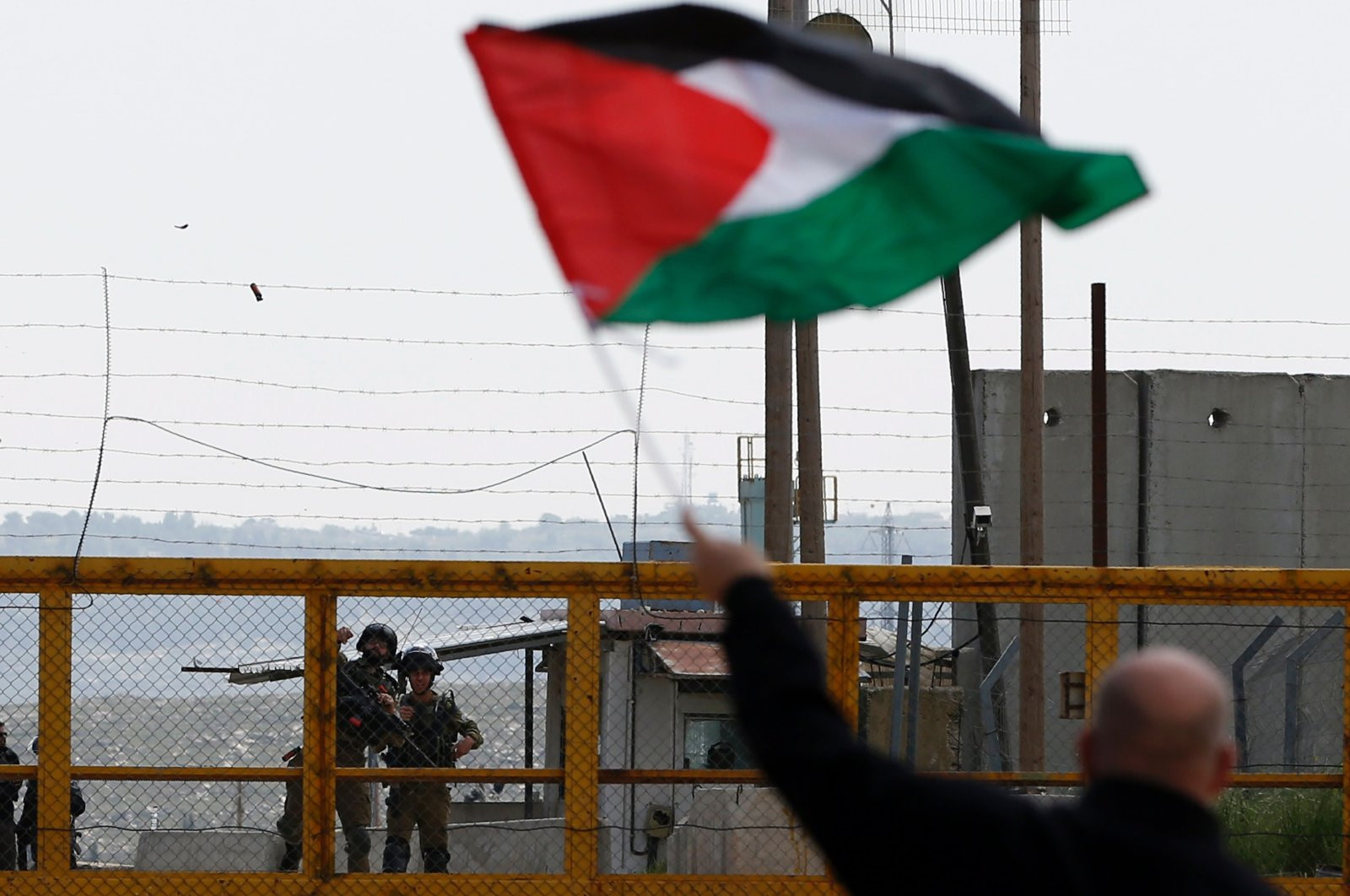
Since 1967, Israel has been trying to plant settlements and settlers in the heart of the Arab neighborhoods in Eastern Jerusalem. Over 30 settlements have been established on that side of the city since 1967, while tens of thousands of Israeli settlers have been brought to live there in order to create a Jewish demographic superiority. Yet this has not succeeded despite all efforts. The reason for this failure is that the Palestinian population in Eastern Jerusalem still lives in a confined area. Palestinians are not allowed to live on the Western side of Jerusalem. Therefore, they are restricted to almost the same area where they were living before the Israeli occupation. This actually makes the Israeli penetration attempts in the Palestinian neighborhoods almost impossible.

Nonetheless, Israel tries to solve this issue by planting small outposts in the heart of Palestinian neighborhoods. These outposts are usually heavily guarded by Israeli police and cost Israel substantial funds in order to protect them.

This raises important questions about the effects these outposts and settlements have in Jerusalem culturally and socially. Indeed, living next to “the other” cannot be more challenging than in Jerusalem, whose holiness is claimed by followers of three monotheistic religions. Jewish settlers in Eastern Jerusalem, especially in the Old City, are still considered a minority despite the Israeli continuous attempts to raise their numbers. Even if the “Jewish Quarter” in the Old City is to be included in statistics, the Jewish presence will still be a minority. One must not forget that even the Jewish Quarter was once inhabited by Muslim families. Nearly 135 homes were destroyed in the “Maghariba Quarter” and several hundred homes were evacuated in “al-Sharaf Quarter” in 1967. These two neighborhoods were annexed along with the historical Jewish Quarter in Jerusalem, making its area raise from 5 dunams (5,000 sqm) to almost 120 dunams now. The Palestinian inhabitants of those homes were all evacuated and sheltered in the Shu’fat refugee camp, now a part of Eastern Jerusalem. This makes it indeed hard for these refugees to engage culturally or in any other way with the Jewish current inhabitants of their homes.

Jews who reside in Palestinian once-owned homes cannot be expected to feel welcomed by the Palestinians and, thus, engage with them culturally by any means.

On the other hand, Israel sees itself not part of the cultural heritage of this city as this heritage contradicts the narration that Israel promotes, trying to justify its presence in the region. Israeli excavations in Jerusalem have always been trying to find any links or connections with the Israeli narration of the history of Jerusalem. Not finding sufficient evidences that supports its claims, Israel started actually stealing the historical findings by baselessly claiming that they belong to the Jewish era of the history of Jerusalem. Muslim Umayyad palaces suddenly became “ablution pools” that date back to the “First” and “Second” Temples! No Carbon examination of artifact was allowed hence the Israeli narration remains unchallenged. The forceful elimination of Palestinian Arab and Palestinian Muslim cultural heritage for a long time by Israel reflects cultural crimes committed by the latter.

Thus, the Palestinians in Jerusalem seem to strongly withhold their culture and heritage. For example, in the face of Israeli Western-shaped neighborhoods, one can find the Palestinians keener to show their heritage and culture in many ways, such as in food, clothes, songs and other aspects of their oriental heritage. This makes Israel try to annex the Palestinian culture as it did with Palestinian neighborhoods. Israelis adopt many aspects of the original culture of this land, even in Hebrew language. For example, you find Israelis promote “Falafel” as “The National Snack of Israel”, and the same is done with Hummus, Shawarma, and other items from the Palestinian Arab cuisine. Even the names of these dishes are said in Arabic and they are clearly different than the Hebrew in language and etymology. Israeli Airlines flight attendants have some Palestinian symbols on their uniforms such as the Palestinian “Tatriz” (the Palestinian embroidery). This embroidery can be clearly seen on Palestinian ladies’ “Thobe” (traditional dress), but can never be seen on Israeli ladies’ clothes.

This shows that the main aspect that characterizes the Palestinian-Israeli cultural encounter in Jerusalem and in Palestine is generally conflict. In my opinion, it is not possible to get to a positive cultural encounter between the two communities as long as there is an occupation. This can be easily proved by a simple look at the history of Jerusalem. For centuries, Muslims, Jews and Christians lived in Jerusalem in a total harmony, especially under the Ottoman Empire. Followers of the three faiths lived together in their quarters, and they were not segregated even with the presence of a Muslim Quarter, Jewish Quarter and Christian Quarter. These quarters were mainly meant to be named according to the presence of holy sites and buildings of worship. Yet many Muslim shops for example were in the heart of the Christian Quarter, and many Jews lived in the heart of the Muslim Quarter, etc.


Tags: Identity CrisisJerusalemJewsMuslimsPalestine
Previous Post

Islamic Thinking in Modern Times: Rasim Özdenören

Next Post

Muslims and Islamic Education in the Caucasus: An Interview with Selim Burak North Caucasus Coordinator in Directorate of Religious Affairs

Next Post
Muslims and Islamic Education in the Caucasus: An Interview with Selim Burak North Caucasus Coordinator in Directorate of Religious Affairs

Muslims and Islamic Education in the Caucasus: An Interview with Selim Burak North Caucasus Coordinator in Directorate of Religious Affairs

Bir yanıt yazın Yanıtı iptal et

E-posta adresiniz yayınlanmayacak. Gerekli alanlar * ile işaretlenmişlerdir

  • A Possible New Breath in Regional Balances: The Alliance of Türkiye, Pakistan, Egypt, and Saudi Arabia

    Bölgesel Dengelerde Olası Yeni Bir Soluk: Türkiye, Pakistan, Mısır ve Suudi Arabistan İttifakı

    0 shares
    Share 0 Tweet 0
  • Bilime Yön Verenler: Nobel Ödüllü Müslüman Bilim İnsanları

    0 shares
    Share 0 Tweet 0
  • Nakşibendi-Hakkani Tarikatı

    0 shares
    Share 0 Tweet 0
  • Fuad Sezgin

    0 shares
    Share 0 Tweet 0
  • Sosyal Medyada İslamcı-Muhafazakâr Kamusallığın Dönüşümü Üzerine

    0 shares
    Share 0 Tweet 0
  • The Gravity of What Took Place at Al-Aqsa Mosque During Ramadan 2026

    Ramazan 2026’da Mescid-i Aksa’da Yaşananların Ciddiyeti

    0 shares
    Share 0 Tweet 0
  • The Gravity of What Took Place at Al-Aqsa Mosque During Ramadan 2026

    0 shares
    Share 0 Tweet 0
  • FLA-JNIM Cooperation and Shifting Security Dynamics in Mali

    0 shares
    Share 0 Tweet 0
  • FLA-JNIM İş Birliği ve Mali’de Değişen Güvenlik Dinamikleri

    0 shares
    Share 0 Tweet 0
  • The Current State of Indonesia’s Luxury Industry and the Landscape of Independent Handcrafted Watchmaking

    0 shares
    Share 0 Tweet 0

Platform: Müslüman Dünyanın Gündemi, Müslüman toplumların fikrî, siyasi, sosyal, ekonomik ve kültürel gündemlerini takip ve tahlil edip Müslüman dünyaya dair güncel ve özgün perspektifler sunmayı amaçlayan bir yayın organı olarak İLKE İlim Kültür Eğitim Vakfı bünyesinde kurulmuştur.

  • SAYILAR
  • ANALİZLER
  • HABERLER
  • SÖYLEŞİLER
  • DÜNYADAN SESLER
  • platform@ilke.org.tr
  • (0216) 310 43 18
  • Aziz Mahmut Hüdayi Mah. Türbe Kapısı Sk. No: 13 Üsküdar, İstanbul

2025 @ PLATFORM bir İLKE Vakfı kuruluşudur. Tüm hakları saklıdır. 

No Result
View All Result
  • Home
  • Analizler
  • Haberler
  • Söyleşiler
  • Dünyadan Sesler