






























(The original Turkish version of this article was published by the Platform: Current Muslim Affairs on April 27, 2026)
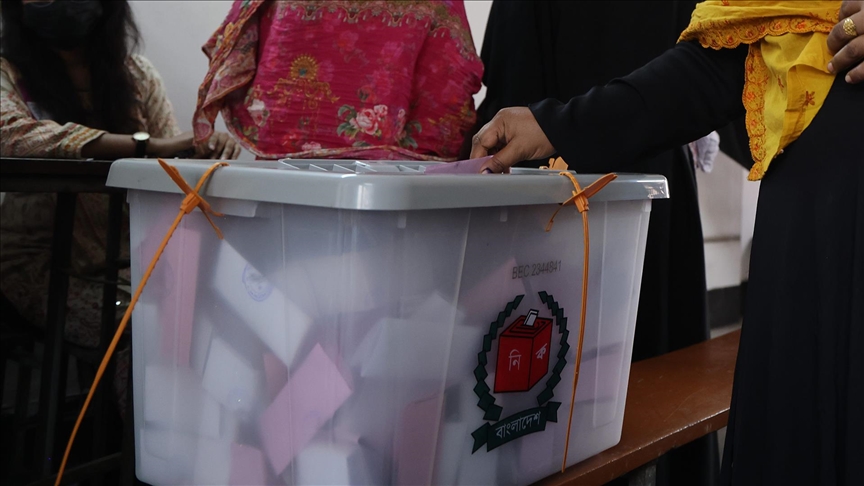
The elections held in Bangladesh on February 12, 2026, were conducted within a context characterized by intensified demands for radical transformation of the political structure and various reform proposals. Concurrently with the elections, a constitutional referendum was also administered. Mass protests, referred to as the “July Revolution” in 2024 and led by Generation Z, played a decisive role in the background of this process. These protests not only represented a reaction against the existing political order but also facilitated the strengthening of demands for democratization and constitutional reform. In this framework, the elections held have been evaluated as a significant step toward Bangladesh’s re-entry into the democratization process and its progress toward a more institutionalized democracy.
However, the political debates emerging in the aftermath of the elections indicate a critical turning point regarding the quality and trajectory of the country’s democratization process. The escalating tension between the ruling and opposition actors following the elections has brought about intense disputes concerning the fairness, transparency, and inclusiveness of the electoral process. In particular, the refusal of the Bangladesh Nationalist Party (BNP), led by Tarique Rahman, to recognize the referendum results following its landslide victory in the elections, coupled with the suspension of reform proposals prepared by the interim government, has further deepened political tensions in the post-election period. These developments raise serious questions regarding the functioning of democratic processes, the sustainability of institutional legitimacy, and the possibilities for political consensus in the country; they also increase uncertainties concerning the direction of Bangladesh’s democratization process.
Allegations of “Fraud” and “Manipulation” Concerning the Elections
Following the 2026 elections, Bangladeshi politics is being shaped by allegations of “fraud” and “manipulation” voiced by opposition actors, primarily Jamaat-e-Islami and the National Citizen Party (NCP), despite the landslide victory of the Bangladesh Nationalist Party (BNP).
Firstly, Jamaat-e-Islami filed official objections, asserting that the results in 30 constituencies were systematically altered. Party officials claim that pressure was exerted on polling officers during the vote-counting process and that results originally in their favor were converted to favor the BNP during the data entry stage. Party leader Shafiqur Rahman emphasized that “the will of the people was changed at the desk.”
Secondly, the National Citizen Party (NCP), established following the July 2024 protests, has alleged that planned irregularities were committed, particularly in strategic constituencies in Dhaka. Party spokesperson Asif Mahmud stated that young and opposition candidates were systematically excluded through administrative interventions and psychological pressure during the electoral process.
Referendum Debates
Concurrently with the parliamentary elections held on February 12, 2026, a constitutional referendum was conducted regarding the “July National Charter Implementation Order.” This regulation, published on November 13, 2025, assigns a dual role to the 13th Parliament in the event of a “yes” outcome from the referendum. Accordingly, it is envisioned that the elected members of parliament will simultaneously constitute the Constitutional Reform Council, which is expected to complete the constitutional reform within a specified period while working in tandem with parliamentary activities.
Jamaat-e-Islami, the National Citizen Party (NCP), and certain other political actors accepted the proposal in question and demanded that the referendum be held prior to the general elections. In contrast, the BNP maintained a distant stance toward the relevant implementation order from the outset, advocating that constitutional amendments should be carried out directly under the auspices of the parliament. However, it later accepted the referendum and insisted on its execution on the same day as the general elections. Prominent political actors such as Jamaat-e-Islami and the NCP criticized this approach by the BNP, asserting that the referendum should be held first to secure the process, followed subsequently by the elections.
It is observed that the concerns voiced by Jamaat-e-Islami and its allies regarding the referendum process prior to the elections were largely validated in the post-election period. Following a 68% “yes” vote in the referendum, the BNP and independent members of parliament assumed their duties in the parliament but refused to take the oath for the council membership established within the scope of the constitutional amendment. In contrast, the bloc formed by opposition parties accepted the council membership and ensured their participation in the process.
This emerging institutional divergence has transformed the post-election constitutional amendment process into a deep political crisis. The tendency of the BNP-led government to effectively invalidate the referendum results and its advocacy for reforms to be conducted solely within the parliament has created a sharp contrast with the opposition’s insistence on a Constituent Assembly mechanism based on the referendum. This situation brings with it a serious risk of institutional deadlock in Bangladeshi politics.
Rejection of Democratic Reform Decrees
The decisions taken by the Bangladesh Nationalist Party (BNP) regarding the annulment or restructuring of several key decrees issued during the interim government period, which were directly related to democratization processes, have significantly mobilized the political environment in the country. In accordance with legislation, a total of 133 decrees were brought to the agenda during the first session of the 13th National Parliament on March 12. A special committee, consisting of representatives from both the ruling party and the opposition, was established to examine these decrees. According to the committee report, it was recommended that 98 of these decrees be submitted as bills in their current form, while 15 were proposed to be revised through relevant ministries and reintroduced to parliament. Of the remaining 20 decrees, it was advised that 16 be reconsidered in the future after being strengthened through more comprehensive review, while 4 were recommended for repeal.
Within this framework, 20 decrees issued during the interim government period are not being ratified in the current legislative term. According to constitutional regulations, a decree submitted to parliament is envisioned to expire if it is not ratified within 30 days. This situation could lead to the invalidation of various critical decrees, primarily those concerning the Anti-Corruption Commission, the National Human Rights Commission, the Prevention and Redress of Enforced Disappearances, and regulations regarding the referendum. Furthermore, the annulment of several fundamental institutional reforms, including regulations on the appointment of Supreme Court judges and the Secretariat of the Supreme Court, has come to the fore.
The BNP’s objections to the decrees in question have remobilized social segments that supported the mass movement of 2024, referred to as the “July Revolution.” At the core of this movement lies a social reaction against human rights violations, the politicization of the judiciary, widespread corruption, an increase in cases of enforced disappearances and political violence targeting opposition actors, and authoritarian tendencies deepening under democratic discourse.
Following the revolution, the interim government established under the leadership of Nobel laureate Prof. Dr. Muhammad Yunus implemented comprehensive reform initiatives reflecting broad societal expectations. In this context, measures aimed at strengthening judicial independence, implementing constitutional amendments through referendums, activating anti-corruption mechanisms, reinforcing human rights institutions, and preventing enforced disappearances and political violence have come to the fore. These reforms gained societal legitimacy in terms of the institutionalization of the democratization process.
However, initiatives aimed at the annulment of these reforms or their neutralization under the guise of “review” have provoked a serious reaction among opposition parties and civil society. These developments not only deepen the debates regarding the constitutional reform process but also pave the way for anti-government social mobilization to regain momentum.
Debates on a Resurgence of Fascism
In Bangladesh, following nearly sixteen years of authoritarian rule under the Awami League led by Sheikh Hasina and the subsequent mass movement in July-August 2024—referred to as the “Gen-Z Revolution” or the “July Revolution”—the democratic process initiated by the February 12, 2026, elections have become the center of intense debate within less than two months. The Bangladesh Nationalist Party (BNP) demonstrated limited participation in the social movement against the Hasina administration and maintained a distant posture toward the interim government’s constitutional and democratic reform agenda. Despite this, its landslide victory, exceeding a two-thirds majority in the elections, has brought about various questions regarding the legitimacy of the electoral results. Additionally, the effective disregard for the referendum results, allegations of interference in judicial processes, and initiatives to annul decrees designed to combat enforced disappearances, political violence, and human rights violations are interpreted by certain circles and opposition actors as indicators of a new wave of authoritarianism. Indeed, opposition parties in parliament and a significant portion of civil society evaluate these policies of the BNP government within the framework of democratic backsliding and even “fascistic tendencies.”
Bibliography:
Dhaka Tribune. (2026). Allegation of vote counting manipulation raised by opposition. Dhaka Tribune. https://www.dhakatribune.com/bangladesh/403312/allegation-of-vote-counting-manipulation-raised-by
Mahmud, F. (2026). Bangladesh’s first post-Hasina parliament faces constitutional questions. Anadolu Agency. https://www.aa.com.tr/en/asia-pacific/bangladesh-s-first-post-hasina-parliament-faces-constitutional-questions/3856486
Mostofa, G., & Ullah, R. (2026). Preference falsification and the July revolution in Bangladesh: How political oppression and inequality triggered the mass uprising. International Journal of Politics and International Relations, 1(1), 1–14. https://doi.org/10.65826/IJPIR.1.1.2026.10
The Business Standard. (2026). BNP abstained as no provision for administering oath to Constitutional Reform Council. The Business Standard. https://www.tbsnews.net/bangladesh-election-2026/bnp-abstained-no-provision-administering-oath-constitutional-reform-council
The Business Standard. (2026). Committee recommends scrapping 11 ordinances, including referendum, issued by interim govt. The Business Standard. https://www.tbsnews.net/bangladesh/committee-recommends-scrapping-11-ordinances-including-referendum-issued-interim-govt
The Business Standard. (2026). NCP alleges result tampering, planned fraud in multiple Dhaka seats. The Business Standard. https://www.tbsnews.net/bangladesh-election-2026/ncp-alleges-result-tampering-planned-fraud-multiple-dhaka-seats-1360321
The Daily Star. (2026). “We’re already witnessing transmission of fascism,” says Jamaat ameer. The Daily Star.
*Opinions expressed in this article are the author’s own and do not necessarily reflect Platform: Current Muslim Affairs’ editorial policy.