































Genocide refers to inhumane acts committed with the intent to destroy, in whole or in part, a national, ethnic, racial, or religious group because of its identity. Etymologically, the term genocide combines the Greek word genos, meaning race or tribe, and the Latin cide, meaning killing.
The term was first used in 1944 by Polish jurist Raphael Lemkin and was recognized as a crime by the United Nations General Assembly in 1946. It was incorporated into international law with the Convention on the Prevention and Punishment of the Crime of Genocide (Genocide Convention), adopted in 1948. Because the prohibition of genocide is part of customary international law and a peremptory norm (jus cogens), it binds all states regardless of whether they have ratified the Convention.
Which Acts Fall Under Genocide?
The following acts, committed with the intent to destroy, in whole or in part, a group solely due to its identity, constitute the crime of genocide:
- Killing members of the group
- Causing serious bodily or mental harm to members of the group
- Deliberately inflicting on the group conditions of life calculated to bring about its physical destruction
- Imposing measures intended to prevent births within the group
- Forcibly transferring children of the group to another group
These represent the physical elements (actus reus) of genocide, while the definition also includes a mental element. The mental element refers to the intent (dolus) to destroy, in whole or in part, a racial or religious group solely because of this identity. For the crime of genocide to occur, this must be proven. This specific intent is termed “dolus specialis.”
Another key requirement for an act to be categorized as genocide is that the victims belong to one of the protected groups under the convention. Political groups, for example, are not included within this scope.
How Does It Differ from War Crimes and Crimes Against Humanity?
The most fundamental element distinguishing genocide from other acts of mass violence is the rule of specific intent. For an occurrence to be legally recognized as genocide, the presence of mass deaths or massacres alone is not sufficient; it must be legally proven that these acts were committed with the intention of destroying a group protected under the convention.
Because proving this intent is extremely difficult, establishing an event as genocide in international courts can take many years and lead to serious political debates among states.
Key Cases
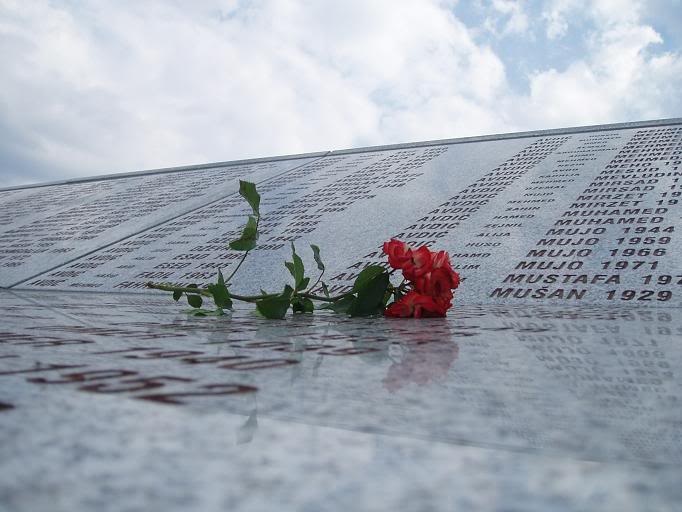
Bosnia and Herzegovina v. Serbia and Montenegro Case: What occurred in Srebrenica in 1995 could only be legally recognized as genocide after years of investigations, testimonies, and evidence collection.
The Gambia v. Myanmar Case: In 2019, The Gambia filed an application with the International Court of Justice alleging that Myanmar’s actions against Rohingya Muslims constituted genocide. Although military operations, massacres, and mass migrations were clearly documented, the case has not yet concluded because establishing specific intent takes time.
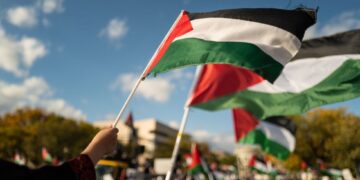
Application of the Convention on the Prevention and Punishment of the Crime of Genocide in the Gaza Strip (South Africa v. Israel): In the case opened by South Africa at the International Court of Justice regarding the situation in Gaza, the most debated element is also the issue of specific intent.
Although intent may seem evident given civilian casualties, the blockade, and acts of starvation on the ground, legally establishing genocide requires proving the perpetrator’s specific intent to destroy that group. In this regard, official rhetoric and state policies are examined, and it is assessed whether actions are part of a coordinated plan. If the perpetrator argues that this destruction was not carried out with “genocidal intent,” but rather to “destroy a terrorist organization,” and if the court accepts this as a possibility, genocidal intent remains unproven.
In its written defense submitted to the ICJ, Israel similarly claimed that its military operations were aimed at Hamas under the right to self-defense rather than the civilian population in Gaza, asserting that the high number of civilian deaths was due to Hamas using civilians as human shields.
The case concerning the Application of the Convention on the Prevention and Punishment of the Crime of Genocide in the Gaza Strip is expected to extend until at least 2029 or 2030.
One of the strongest pieces of evidence presented in South Africa’s application is statements by Israeli ministers and military officials targeting the people of Gaza. While these statements may directly reveal intent to the public, the court examines whether these statements carry the weight of a direct military order and whether operations on the ground were directly coordinated with them.
In Short
Genocide is considered the most severe crime that can be committed in international law. It targets not just individuals, but the very existence of societal groups that are part of humanity. Today, preventing genocides before they occur and prosecuting perpetrators play a vital role in ensuring international justice and preserving global conscience.
To gain a deeper perspective on the subject, you can read the comprehensive analysis written by Hikmet Karčić: “Türkiye’s Evolving Role in Preserving the Memory of the Srebrenica Genocide”