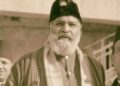

























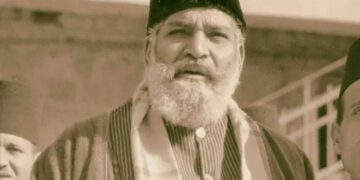




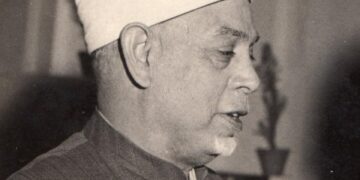

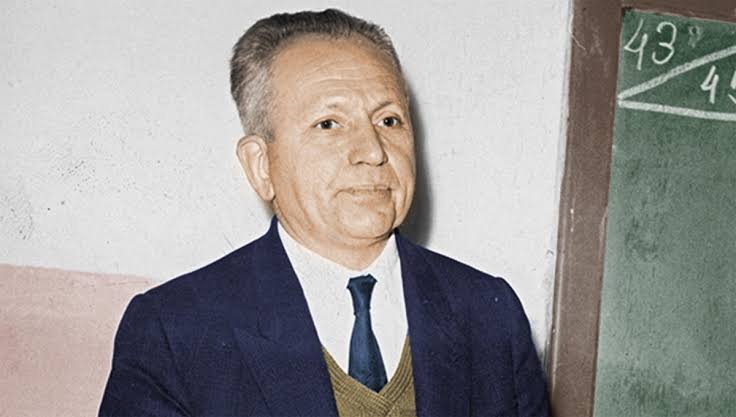
Born in Istanbul in 1909, Nurettin Topçu is one of the most original philosophers in Turkish intellectual history. After graduating from Istanbul High School, he went to France on a state scholarship, where he studied philosophy, psychology, and sociology at the universities of Bordeaux and Sorbonne. Becoming the first Turk to earn a doctorate in philosophy with his Sorbonne dissertation titled The Ethics of Revolt (L’Action), Topçu rejected offers to remain in France and returned to his homeland, educating thousands of young minds as a high school philosophy teacher for the rest of his life.
The backbone of Topçu’s intellectual world is formed by the “Ethics of Revolt”-which represents human rebellion against inner passions, oppression, blind imitation, and moral decay-and “Anatolianism,” rooted in the spiritual essence of the Anatolian geography. According to him, a true human being and believer is not someone trapped in passive acceptance, but one who resists injustice with moral willpower for the sake of justice and truth. Rescuing Islam from dry formalism and mere inheritance, and conceiving it as a living spirit, a mystical depth, and a social responsibility, the thinker established an indigenous school of thought centered around Hareket magazine, which he published for many years. Advocating through works such as Tomorrow’s Turkey (Yarınki Türkiye), Islam and Man (İslam ve İnsan), and Culture and Civilization (Kültür ve Medeniyet) that society could rise through spiritual restoration and moral revival, Nurettin Topçu remained the most vivid witness to his own ideas through his modest and uncompromising life until his passing in 1975.