


İLKE Vakfı
Platform
tr Türkçe en English
No Result
View All Result
  • PLATFORM
  • NEWS
    İLKE Agenda: Muzzammil Ayyub Thakur ile Keşmir’in “Filistinleştirilmesi”

    Khaled Beydoun: “Islamophobia is a modern manifestation of the crusades”

    Filistin Sempozyumu: Filistin ve Küresel İlişkilerin Geleceği

    Exploring Islam’s View on Slavery and Blackness: Seminar by Jonathan A.C. Brown

    The Conference on Contemporary Muslim Thought

    The Conference on Contemporary Muslim Thought

    Filistin Sempozyumu: Filistin ve Küresel İlişkilerin Geleceği

    Palestine Symposium: Palestine and the Future of Global Affairs

    İLKE Agenda: Muzzammil Ayyub Thakur ile Keşmir’in “Filistinleştirilmesi”

    The Platform Talks: Palestine after October 7 with Azzam Tamimi

    İLKE Agenda: Muzzammil Ayyub Thakur ile Keşmir’in “Filistinleştirilmesi”

    The Palestine Talks: Syria after December 8 with Kinda Hawasli

    İLKE Agenda: Muzzammil Ayyub Thakur ile Keşmir’in “Filistinleştirilmesi”

    İLKE Agenda: The “Palestinization” of Kashmir with Muzzammil Ayyub Thakur

  • ANALYSIS
    • All
    • Culture, Arts and Media
    • Economy
    • Education
    • Energy and Environment
    • Fundamental Rights and Freedoms
    • Migration
    • Opinion
    • Social Issues
    Türkiye’s Evolving Role in Preserving the Memory of the Srebrenica Genocide

    Türkiye’s Evolving Role in Preserving the Memory of the Srebrenica Genocide

    Hafızadan Gelecek Vizyonuna: Türkiye-Suudi Arabistan İlişkilerinde Yeni Dönem

    From Memory to Future Vision: A New Era in Turkiye-Saudi Arabia Relations

    Türkmen Halkının Manevi Önderleri Olan Büyük Sufi Alimler: Necmeddin Kübra, Yusuf Hemedânî ve Ebu Said Ebu’l-Hayr

    Great Sufi Scholars as the Spiritual Leaders of the Turkmen People: Najm al-Dīn Kubrā, Yusuf Hamadānī, and Abū Saʿīd Abū’l-Khayr

    Irak’ın Güzel Çocuklarının Hikayesi: Başkanın Pastası

    The Story of Iraq’s Beautiful Children: The President’s Cake

    Vekalet Savaşı Nedir?

    What is Proxy Warfare?

    Estetik Kırılma: İslam Dünyasında Modernleşme ve Kimlik Arayışı

    Aesthetic Rupture: Modernization and the Search for Identity in the Islamic World

  • INTERVIEWS
    Casir el-Bergusi ile Filistin Mücadelesi ve Esaret Yılları Üzerine Bir Röportaj

    An Interview with Jaser Albarghouthi on the Palestinian Struggle and the Years of Captivity

    The Decolonization of Knowledge: Interview with Professor Souleymane Bachir Diagne

    The Decolonization of Knowledge: Interview with Professor Souleymane Bachir Diagne

    A Possible New Breath in Regional Balances: The Alliance of Türkiye, Pakistan, Egypt, and Saudi Arabia

    A Possible New Breath in Regional Balances: The Alliance of Türkiye, Pakistan, Egypt, and Saudi Arabia

    From the Ballot Box to the Street: The Rising Social Wave in Tanzania After the Election

    From the Ballot Box to the Street: The Rising Social Wave in Tanzania After the Election

    Kafkasya’da Müslümanlar ve İslami Eğitim: TCDİB Kuzey Kafkasya Koordinatörü Selim Akburak ile Söyleşi

    Muslims and Islamic Education in the Caucasus: An Interview with Selim Burak North Caucasus Coordinator in Directorate of Religious Affairs

    Göçü Yönetmek: Dr. Mehmet Köse’yle Söyleşi

    Interview with Mehmet Köse

    Gurbet Hikayeleri

    Interview on Gurbet Hikayeleri

    İstanbul’daki Uluslararası Öğrencilerle Söyleşi

    Interview with International Students in Istanbul

    Zaytuna College Lisansüstü Eğitim Dekanı Maşuk Yamaç’la Söyleşi

    Interview with Mahsuk Yamac, Dean of Graduate Studies at Zaytuna College

  • VOICES
    Anas Altikriti | Voices from the Muslim World | Türkçe Altyazılı

    Anas Altikriti | Voices from the Muslim World | Türkçe Altyazılı

    Basil Mustafa (Oxford) | Voices from the Muslim World | with Turkish subtitles

    Basil Mustafa (Oxford) | Voices from the Muslim World | with Turkish subtitles

    OMAR SULEIMAN | VOICES FROM THE MUSLIM WORLD

    OMAR SULEIMAN | VOICES FROM THE MUSLIM WORLD

    Paul Williams | Voices from the Muslim World

    Paul Williams | Voices from the Muslim World

  • DATABASE
    • All
    • Institutions
    • Movements
    • People
    • Q-A
    Soykırım Nedir?

    What is Genocide?

    Halil el-Hayye

    Khalil al-Hayya

    Şeyh Hamad bin Halife Al Sani

    Sheikh Hamad bin Khalifa Al Thani

    NATO 3.0 Nedir?

    What is NATO 3.0?

    İbrahim Anlaşmaları Nedir?

    What are the Abraham Accords?

    Agnotoloji Nedir?

    What is Agnotology?

    Egemenlik Nedir?

    What is Sovereignty?

    Tekno-Feodalizm Nedir?

    What is Techno-Feudalism?

    Hürmüz Boğazı neden önemli?

    Why is Strait of Hormuz important?

  • DISCOVER
  • PLATFORM
  • NEWS
    İLKE Agenda: Muzzammil Ayyub Thakur ile Keşmir’in “Filistinleştirilmesi”

    Khaled Beydoun: “Islamophobia is a modern manifestation of the crusades”

    Filistin Sempozyumu: Filistin ve Küresel İlişkilerin Geleceği

    Exploring Islam’s View on Slavery and Blackness: Seminar by Jonathan A.C. Brown

    The Conference on Contemporary Muslim Thought

    The Conference on Contemporary Muslim Thought

    Filistin Sempozyumu: Filistin ve Küresel İlişkilerin Geleceği

    Palestine Symposium: Palestine and the Future of Global Affairs

    İLKE Agenda: Muzzammil Ayyub Thakur ile Keşmir’in “Filistinleştirilmesi”

    The Platform Talks: Palestine after October 7 with Azzam Tamimi

    İLKE Agenda: Muzzammil Ayyub Thakur ile Keşmir’in “Filistinleştirilmesi”

    The Palestine Talks: Syria after December 8 with Kinda Hawasli

    İLKE Agenda: Muzzammil Ayyub Thakur ile Keşmir’in “Filistinleştirilmesi”

    İLKE Agenda: The “Palestinization” of Kashmir with Muzzammil Ayyub Thakur

  • ANALYSIS
    • All
    • Culture, Arts and Media
    • Economy
    • Education
    • Energy and Environment
    • Fundamental Rights and Freedoms
    • Migration
    • Opinion
    • Social Issues
    Türkiye’s Evolving Role in Preserving the Memory of the Srebrenica Genocide

    Türkiye’s Evolving Role in Preserving the Memory of the Srebrenica Genocide

    Hafızadan Gelecek Vizyonuna: Türkiye-Suudi Arabistan İlişkilerinde Yeni Dönem

    From Memory to Future Vision: A New Era in Turkiye-Saudi Arabia Relations

    Türkmen Halkının Manevi Önderleri Olan Büyük Sufi Alimler: Necmeddin Kübra, Yusuf Hemedânî ve Ebu Said Ebu’l-Hayr

    Great Sufi Scholars as the Spiritual Leaders of the Turkmen People: Najm al-Dīn Kubrā, Yusuf Hamadānī, and Abū Saʿīd Abū’l-Khayr

    Irak’ın Güzel Çocuklarının Hikayesi: Başkanın Pastası

    The Story of Iraq’s Beautiful Children: The President’s Cake

    Vekalet Savaşı Nedir?

    What is Proxy Warfare?

    Estetik Kırılma: İslam Dünyasında Modernleşme ve Kimlik Arayışı

    Aesthetic Rupture: Modernization and the Search for Identity in the Islamic World

  • INTERVIEWS
    Casir el-Bergusi ile Filistin Mücadelesi ve Esaret Yılları Üzerine Bir Röportaj

    An Interview with Jaser Albarghouthi on the Palestinian Struggle and the Years of Captivity

    The Decolonization of Knowledge: Interview with Professor Souleymane Bachir Diagne

    The Decolonization of Knowledge: Interview with Professor Souleymane Bachir Diagne

    A Possible New Breath in Regional Balances: The Alliance of Türkiye, Pakistan, Egypt, and Saudi Arabia

    A Possible New Breath in Regional Balances: The Alliance of Türkiye, Pakistan, Egypt, and Saudi Arabia

    From the Ballot Box to the Street: The Rising Social Wave in Tanzania After the Election

    From the Ballot Box to the Street: The Rising Social Wave in Tanzania After the Election

    Kafkasya’da Müslümanlar ve İslami Eğitim: TCDİB Kuzey Kafkasya Koordinatörü Selim Akburak ile Söyleşi

    Muslims and Islamic Education in the Caucasus: An Interview with Selim Burak North Caucasus Coordinator in Directorate of Religious Affairs

    Göçü Yönetmek: Dr. Mehmet Köse’yle Söyleşi

    Interview with Mehmet Köse

    Gurbet Hikayeleri

    Interview on Gurbet Hikayeleri

    İstanbul’daki Uluslararası Öğrencilerle Söyleşi

    Interview with International Students in Istanbul

    Zaytuna College Lisansüstü Eğitim Dekanı Maşuk Yamaç’la Söyleşi

    Interview with Mahsuk Yamac, Dean of Graduate Studies at Zaytuna College

  • VOICES
    Anas Altikriti | Voices from the Muslim World | Türkçe Altyazılı

    Anas Altikriti | Voices from the Muslim World | Türkçe Altyazılı

    Basil Mustafa (Oxford) | Voices from the Muslim World | with Turkish subtitles

    Basil Mustafa (Oxford) | Voices from the Muslim World | with Turkish subtitles

    OMAR SULEIMAN | VOICES FROM THE MUSLIM WORLD

    OMAR SULEIMAN | VOICES FROM THE MUSLIM WORLD

    Paul Williams | Voices from the Muslim World

    Paul Williams | Voices from the Muslim World

  • DATABASE
    • All
    • Institutions
    • Movements
    • People
    • Q-A
    Soykırım Nedir?

    What is Genocide?

    Halil el-Hayye

    Khalil al-Hayya

    Şeyh Hamad bin Halife Al Sani

    Sheikh Hamad bin Khalifa Al Thani

    NATO 3.0 Nedir?

    What is NATO 3.0?

    İbrahim Anlaşmaları Nedir?

    What are the Abraham Accords?

    Agnotoloji Nedir?

    What is Agnotology?

    Egemenlik Nedir?

    What is Sovereignty?

    Tekno-Feodalizm Nedir?

    What is Techno-Feudalism?

    Hürmüz Boğazı neden önemli?

    Why is Strait of Hormuz important?

  • DISCOVER
No Result
View All Result
Platform
No Result
View All Result
tr Türkçe en English
Home Database Q-A

What is Genocide?

Editör İlke by Editör İlke
21 July 2026
in Q-A, Database
Soykırım Nedir?

OLYMPUS DIGITAL CAMERA

Share on FacebookShare on Twitter

Genocide refers to inhumane acts committed with the intent to destroy, in whole or in part, a national, ethnic, racial, or religious group because of its identity. Etymologically, the term genocide combines the Greek word genos, meaning race or tribe, and the Latin cide, meaning killing.

The term was first used in 1944 by Polish jurist Raphael Lemkin and was recognized as a crime by the United Nations General Assembly in 1946. It was incorporated into international law with the Convention on the Prevention and Punishment of the Crime of Genocide (Genocide Convention), adopted in 1948. Because the prohibition of genocide is part of customary international law and a peremptory norm (jus cogens), it binds all states regardless of whether they have ratified the Convention.

Which Acts Fall Under Genocide?

The following acts, committed with the intent to destroy, in whole or in part, a group solely due to its identity, constitute the crime of genocide:

  • Killing members of the group
  • Causing serious bodily or mental harm to members of the group
  • Deliberately inflicting on the group conditions of life calculated to bring about its physical destruction
  • Imposing measures intended to prevent births within the group
  • Forcibly transferring children of the group to another group

These represent the physical elements (actus reus) of genocide, while the definition also includes a mental element. The mental element refers to the intent (dolus) to destroy, in whole or in part, a racial or religious group solely because of this identity. For the crime of genocide to occur, this must be proven. This specific intent is termed “dolus specialis.”

Another key requirement for an act to be categorized as genocide is that the victims belong to one of the protected groups under the convention. Political groups, for example, are not included within this scope.

How Does It Differ from War Crimes and Crimes Against Humanity?

The most fundamental element distinguishing genocide from other acts of mass violence is the rule of specific intent. For an occurrence to be legally recognized as genocide, the presence of mass deaths or massacres alone is not sufficient; it must be legally proven that these acts were committed with the intention of destroying a group protected under the convention.

Because proving this intent is extremely difficult, establishing an event as genocide in international courts can take many years and lead to serious political debates among states.

Key Cases

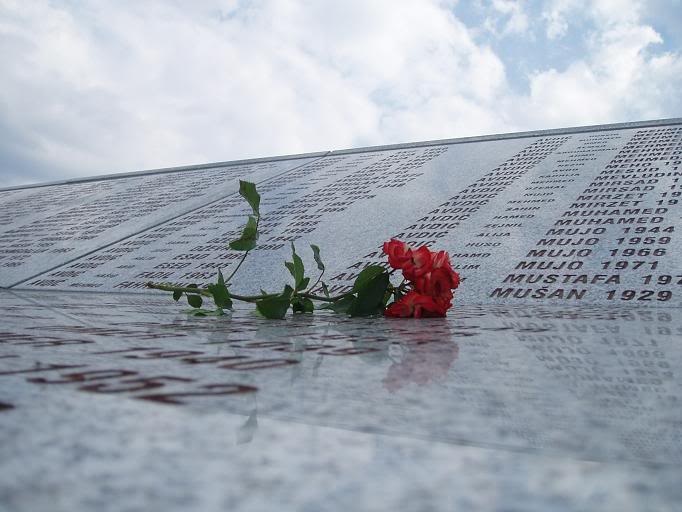
Bosnia and Herzegovina v. Serbia and Montenegro Case: What occurred in Srebrenica in 1995 could only be legally recognized as genocide after years of investigations, testimonies, and evidence collection.

The Gambia v. Myanmar Case: In 2019, The Gambia filed an application with the International Court of Justice alleging that Myanmar’s actions against Rohingya Muslims constituted genocide. Although military operations, massacres, and mass migrations were clearly documented, the case has not yet concluded because establishing specific intent takes time.

Application of the Convention on the Prevention and Punishment of the Crime of Genocide in the Gaza Strip (South Africa v. Israel): In the case opened by South Africa at the International Court of Justice regarding the situation in Gaza, the most debated element is also the issue of specific intent.

Although intent may seem evident given civilian casualties, the blockade, and acts of starvation on the ground, legally establishing genocide requires proving the perpetrator’s specific intent to destroy that group. In this regard, official rhetoric and state policies are examined, and it is assessed whether actions are part of a coordinated plan. If the perpetrator argues that this destruction was not carried out with “genocidal intent,” but rather to “destroy a terrorist organization,” and if the court accepts this as a possibility, genocidal intent remains unproven.

In its written defense submitted to the ICJ, Israel similarly claimed that its military operations were aimed at Hamas under the right to self-defense rather than the civilian population in Gaza, asserting that the high number of civilian deaths was due to Hamas using civilians as human shields.

The case concerning the Application of the Convention on the Prevention and Punishment of the Crime of Genocide in the Gaza Strip is expected to extend until at least 2029 or 2030.

One of the strongest pieces of evidence presented in South Africa’s application is statements by Israeli ministers and military officials targeting the people of Gaza. While these statements may directly reveal intent to the public, the court examines whether these statements carry the weight of a direct military order and whether operations on the ground were directly coordinated with them.

In Short

Genocide is considered the most severe crime that can be committed in international law. It targets not just individuals, but the very existence of societal groups that are part of humanity. Today, preventing genocides before they occur and prosecuting perpetrators play a vital role in ensuring international justice and preserving global conscience.

To gain a deeper perspective on the subject, you can read the comprehensive analysis written by Hikmet Karčić: “Türkiye’s Evolving Role in Preserving the Memory of the Srebrenica Genocide”
Previous Post

Türkiye’s Evolving Role in Preserving the Memory of the Srebrenica Genocide

  • Soykırım Nedir?

    What is Genocide?

    0 shares
    Share 0 Tweet 0
  • Türkiye’s Evolving Role in Preserving the Memory of the Srebrenica Genocide

    0 shares
    Share 0 Tweet 0
  • What is Genocide?

    0 shares
    Share 0 Tweet 0
  • Khalil al-Hayya

    0 shares
    Share 0 Tweet 0

Platform: Agenda of the Muslim World was established within the İLKE Science Culture Education Foundation as a publication organ that aims to follow and analyze the intellectual, political, social, economic and cultural agendas of Muslim societies and to present current and original perspectives on the Muslim world.

  • ANALYSIS
  • NEWS
  • INTERVIEWS
  • VOICES
  • platform@ilke.org.tr
  • (0216) 310 43 18
  • Aziz Mahmut Hüdayi Mah. Türbe Kapısı Sk. No: 13 Üsküdar, İstanbul
Instagram X-twitter

2025 @ PLATFORM is an İLKE Foundation organization. All rights reserved.

No Result
View All Result
  • Issues
  • Platform English