




İLKE Vakfı
Platform
tr Türkçe en English
No Result
View All Result
  • PLATFORM
  • NEWS
    İLKE Agenda: Muzzammil Ayyub Thakur ile Keşmir’in “Filistinleştirilmesi”

    Khaled Beydoun: “Islamophobia is a modern manifestation of the crusades”

    Filistin Sempozyumu: Filistin ve Küresel İlişkilerin Geleceği

    Exploring Islam’s View on Slavery and Blackness: Seminar by Jonathan A.C. Brown

    The Conference on Contemporary Muslim Thought

    The Conference on Contemporary Muslim Thought

    Filistin Sempozyumu: Filistin ve Küresel İlişkilerin Geleceği

    Palestine Symposium: Palestine and the Future of Global Affairs

    İLKE Agenda: Muzzammil Ayyub Thakur ile Keşmir’in “Filistinleştirilmesi”

    The Platform Talks: Palestine after October 7 with Azzam Tamimi

    İLKE Agenda: Muzzammil Ayyub Thakur ile Keşmir’in “Filistinleştirilmesi”

    The Palestine Talks: Syria after December 8 with Kinda Hawasli

    İLKE Agenda: Muzzammil Ayyub Thakur ile Keşmir’in “Filistinleştirilmesi”

    İLKE Agenda: The “Palestinization” of Kashmir with Muzzammil Ayyub Thakur

  • ANALYSIS
    • All
    • Culture, Arts and Media
    • Economy
    • Education
    • Energy and Environment
    • Fundamental Rights and Freedoms
    • Migration
    • Opinion
    • Social Issues
    İsrail Neden Klasik Sömürgeci Bir Aktör Olarak Görülmeli?

    Why Shouls Israel Be Regarded As a Classical Colonial Actor?

    Beyond Zero-Sum: Connectivity for Shared Prosperity

    Beyond Zero-Sum: Connectivity for Shared Prosperity

    The ‘Malay World’ and Cultural Structuring

    The ‘Malay World’ and Cultural Structuring

    İran-ABD/İsrail Savaşı Sonrası Körfez’in Yeni Güvenlik Doktrini

    The Gulf’s New Security Doctrine After the Iran–U.S./Israel War

    The Carnivalization of the World

    The Carnivalization of the World

    Türkiye’s Evolving Role in Preserving the Memory of the Srebrenica Genocide

    Türkiye’s Evolving Role in Preserving the Memory of the Srebrenica Genocide

  • INTERVIEWS
    A Conversation with Dr. Fadi Zatari on Zionist Terrorism and the Palestinian Resistance

    A Conversation with Dr. Fadi Zatari on Zionist Terrorism and the Palestinian Resistance

    Veri Sömürgeciliği, Yapay Zeka ve Dijital Geleceğimiz: Prof. Ulises Ali Mejias ile Söyleşi

    Data Colonialism, Artificial Intelligence, and Our Digital Future: An Interview with Prof. Ulises Ali Mejias

    Casir el-Bergusi ile Filistin Mücadelesi ve Esaret Yılları Üzerine Bir Röportaj

    An Interview with Jaser Albarghouthi on the Palestinian Struggle and the Years of Captivity

    The Decolonization of Knowledge: Interview with Professor Souleymane Bachir Diagne

    The Decolonization of Knowledge: Interview with Professor Souleymane Bachir Diagne

    A Possible New Breath in Regional Balances: The Alliance of Türkiye, Pakistan, Egypt, and Saudi Arabia

    A Possible New Breath in Regional Balances: The Alliance of Türkiye, Pakistan, Egypt, and Saudi Arabia

    From the Ballot Box to the Street: The Rising Social Wave in Tanzania After the Election

    From the Ballot Box to the Street: The Rising Social Wave in Tanzania After the Election

    Kafkasya’da Müslümanlar ve İslami Eğitim: TCDİB Kuzey Kafkasya Koordinatörü Selim Akburak ile Söyleşi

    Muslims and Islamic Education in the Caucasus: An Interview with Selim Burak North Caucasus Coordinator in Directorate of Religious Affairs

    Göçü Yönetmek: Dr. Mehmet Köse’yle Söyleşi

    Interview with Mehmet Köse

    Gurbet Hikayeleri

    Interview on Gurbet Hikayeleri

  • VOICES
    Anas Altikriti | Voices from the Muslim World | Türkçe Altyazılı

    Anas Altikriti | Voices from the Muslim World | Türkçe Altyazılı

    Basil Mustafa (Oxford) | Voices from the Muslim World | with Turkish subtitles

    Basil Mustafa (Oxford) | Voices from the Muslim World | with Turkish subtitles

    OMAR SULEIMAN | VOICES FROM THE MUSLIM WORLD

    OMAR SULEIMAN | VOICES FROM THE MUSLIM WORLD

    Paul Williams | Voices from the Muslim World

    Paul Williams | Voices from the Muslim World

  • DATABASE
    • All
    • Institutions
    • Movements
    • People
    • Q-A
    Afrika Haritalarda Neden Küçük Görünüyor?

    Why Does Africa Appear Smaller on Maps?

    Salman Sayyid

    Salman Sayyid

    Muhammed Abdullah Draz

    Muhammad Abdullah Draz

    Nurettin Topçu

    Nurettin Topçu

    Taha Abdurrahman

    Taha Abdurrahman

    Süleyman Mansur

    Sliman Mansour

    5 Ağustos İslami İnsan Hakları ve İnsan Onuru Günü Nedir?

    What is August 5 Islamic Human Rights and Human Dignity Day?

    Kritik Mineral Nedir?

    What is a critical mineral?

    Sömürgecilik Nedir?

    What is Colonialism?

  • DISCOVER
  • AUTHORS
  • PLATFORM
  • NEWS
    İLKE Agenda: Muzzammil Ayyub Thakur ile Keşmir’in “Filistinleştirilmesi”

    Khaled Beydoun: “Islamophobia is a modern manifestation of the crusades”

    Filistin Sempozyumu: Filistin ve Küresel İlişkilerin Geleceği

    Exploring Islam’s View on Slavery and Blackness: Seminar by Jonathan A.C. Brown

    The Conference on Contemporary Muslim Thought

    The Conference on Contemporary Muslim Thought

    Filistin Sempozyumu: Filistin ve Küresel İlişkilerin Geleceği

    Palestine Symposium: Palestine and the Future of Global Affairs

    İLKE Agenda: Muzzammil Ayyub Thakur ile Keşmir’in “Filistinleştirilmesi”

    The Platform Talks: Palestine after October 7 with Azzam Tamimi

    İLKE Agenda: Muzzammil Ayyub Thakur ile Keşmir’in “Filistinleştirilmesi”

    The Palestine Talks: Syria after December 8 with Kinda Hawasli

    İLKE Agenda: Muzzammil Ayyub Thakur ile Keşmir’in “Filistinleştirilmesi”

    İLKE Agenda: The “Palestinization” of Kashmir with Muzzammil Ayyub Thakur

  • ANALYSIS
    • All
    • Culture, Arts and Media
    • Economy
    • Education
    • Energy and Environment
    • Fundamental Rights and Freedoms
    • Migration
    • Opinion
    • Social Issues
    İsrail Neden Klasik Sömürgeci Bir Aktör Olarak Görülmeli?

    Why Shouls Israel Be Regarded As a Classical Colonial Actor?

    Beyond Zero-Sum: Connectivity for Shared Prosperity

    Beyond Zero-Sum: Connectivity for Shared Prosperity

    The ‘Malay World’ and Cultural Structuring

    The ‘Malay World’ and Cultural Structuring

    İran-ABD/İsrail Savaşı Sonrası Körfez’in Yeni Güvenlik Doktrini

    The Gulf’s New Security Doctrine After the Iran–U.S./Israel War

    The Carnivalization of the World

    The Carnivalization of the World

    Türkiye’s Evolving Role in Preserving the Memory of the Srebrenica Genocide

    Türkiye’s Evolving Role in Preserving the Memory of the Srebrenica Genocide

  • INTERVIEWS
    A Conversation with Dr. Fadi Zatari on Zionist Terrorism and the Palestinian Resistance

    A Conversation with Dr. Fadi Zatari on Zionist Terrorism and the Palestinian Resistance

    Veri Sömürgeciliği, Yapay Zeka ve Dijital Geleceğimiz: Prof. Ulises Ali Mejias ile Söyleşi

    Data Colonialism, Artificial Intelligence, and Our Digital Future: An Interview with Prof. Ulises Ali Mejias

    Casir el-Bergusi ile Filistin Mücadelesi ve Esaret Yılları Üzerine Bir Röportaj

    An Interview with Jaser Albarghouthi on the Palestinian Struggle and the Years of Captivity

    The Decolonization of Knowledge: Interview with Professor Souleymane Bachir Diagne

    The Decolonization of Knowledge: Interview with Professor Souleymane Bachir Diagne

    A Possible New Breath in Regional Balances: The Alliance of Türkiye, Pakistan, Egypt, and Saudi Arabia

    A Possible New Breath in Regional Balances: The Alliance of Türkiye, Pakistan, Egypt, and Saudi Arabia

    From the Ballot Box to the Street: The Rising Social Wave in Tanzania After the Election

    From the Ballot Box to the Street: The Rising Social Wave in Tanzania After the Election

    Kafkasya’da Müslümanlar ve İslami Eğitim: TCDİB Kuzey Kafkasya Koordinatörü Selim Akburak ile Söyleşi

    Muslims and Islamic Education in the Caucasus: An Interview with Selim Burak North Caucasus Coordinator in Directorate of Religious Affairs

    Göçü Yönetmek: Dr. Mehmet Köse’yle Söyleşi

    Interview with Mehmet Köse

    Gurbet Hikayeleri

    Interview on Gurbet Hikayeleri

  • VOICES
    Anas Altikriti | Voices from the Muslim World | Türkçe Altyazılı

    Anas Altikriti | Voices from the Muslim World | Türkçe Altyazılı

    Basil Mustafa (Oxford) | Voices from the Muslim World | with Turkish subtitles

    Basil Mustafa (Oxford) | Voices from the Muslim World | with Turkish subtitles

    OMAR SULEIMAN | VOICES FROM THE MUSLIM WORLD

    OMAR SULEIMAN | VOICES FROM THE MUSLIM WORLD

    Paul Williams | Voices from the Muslim World

    Paul Williams | Voices from the Muslim World

  • DATABASE
    • All
    • Institutions
    • Movements
    • People
    • Q-A
    Afrika Haritalarda Neden Küçük Görünüyor?

    Why Does Africa Appear Smaller on Maps?

    Salman Sayyid

    Salman Sayyid

    Muhammed Abdullah Draz

    Muhammad Abdullah Draz

    Nurettin Topçu

    Nurettin Topçu

    Taha Abdurrahman

    Taha Abdurrahman

    Süleyman Mansur

    Sliman Mansour

    5 Ağustos İslami İnsan Hakları ve İnsan Onuru Günü Nedir?

    What is August 5 Islamic Human Rights and Human Dignity Day?

    Kritik Mineral Nedir?

    What is a critical mineral?

    Sömürgecilik Nedir?

    What is Colonialism?

  • DISCOVER
  • AUTHORS
No Result
View All Result
Platform
No Result
View All Result
tr Türkçe en English
Home News

İLKE Agenda: The “Palestinization” of Kashmir with Muzzammil Ayyub Thakur

Victory has a thousand fathers, but defeat is an orphan.

Platform Editör by Platform Editör
14 August 2025
in News
İLKE Agenda: Muzzammil Ayyub Thakur ile Keşmir’in “Filistinleştirilmesi”
Share on FacebookShare on Twitter

This review was written by Melike Belkıs Türkmen.


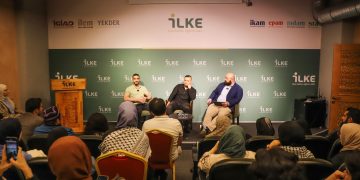
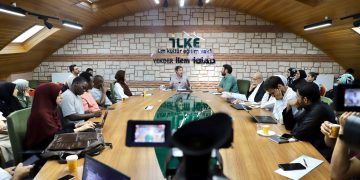
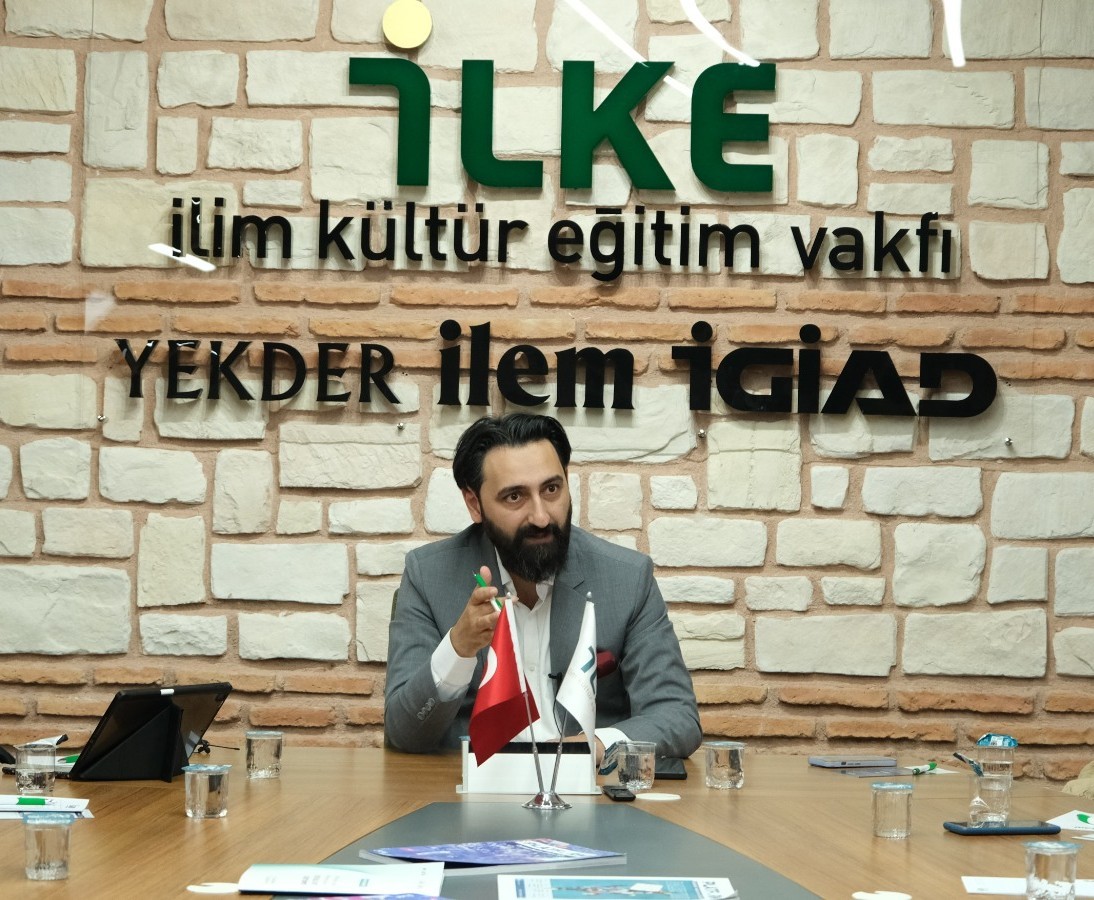
On 20 June, we hosted Dr. Muzzammil Ayyub Thakur in our İLKE Agenda program titled “The Palestinization of Kashmir.” Thakur began his speech by addressing the question of what Palestinization of Kashmir means. He emphasized that the concept of Palestinization is a compelling expression, because now the word “Palestinian” is acknowledged by everyone without the need for explanation, along with concepts such as settlement, genocide, and ethnic cleansing. Thakur then asked the participants, “Do you love Palestine more or do you hate Israel more?” Thakur stated that he thinks the feeling that unites all Muslims around the Palestinian cause is the hatred against Israel. He questioned that if Muslims can unite around the Palestinian cause with an ummah consciousness, why does this consciousness not reach Kashmir, Sudan, Bangsamoro, and other geographies of the ummah that are not on our agenda? He pointed out that while we are aware of baby Aylan (Alan Kurdi) and Ahed Tamimi, we are unaware of Tufail Mattoo, who was killed by Indian soldiers in Kashmir; 11-year-old Wamiq Farooq, who was shot in the head; or 3-year-old Burhan, who was killed in his father’s arms. He asked why we were not aware of 18-month-old Hiba Nisar, who lost one eye when she was shot with a pellet in her mother’s lap, Insha Mushtaq, who was completely blind when she was also shot with a pellet, or Yawar, who became permanently disabled when a tear gas grenade hit him in the head.

Thakur emphasized that it is not the suffering of the victims but the oppression of the oppressors that we should be comparing. Therefore, we should talk about the Israelization of India and the Zionisation of Hindutva rather than the Palestinization of Kashmir. Stating that Israel and India have the same agenda, Thakur said that both Hindutva and Zionism characterize Islam as a “cancer” that needs to be cured and see Muslims as subhumans, like cockroaches. He quoted Indian political leaders calling for the rape of Muslim women, even if it means digging up their graves and exhuming their dead bodies. He emphasized that the Hindutva ideology, which, like the Zionists, sees itself as a chosen and superior race, carries the mission of “one nation, one party, one leader” like the Nazis, and said that the uniforms and salutes of Indian soldiers resemble those of Nazi soldiers.

Thakur stated that although they try to hide it, Israel and India have extremely close relations, and that India has been Israel’s largest arms importer for years, and that these weapons have been used against Kashmir and Pakistan. He also stated that India and Israel share intelligence and that many Indian agents in Iran leak information to Israel. In this regard, Thakur said that when India attacked Pakistan recently, it justified the operation by claiming it was targeting those responsible for 9/11. However, this justification drew little attention from the world press and no praise from the United States, which, he argued, is a sign that the world’s terminology is shifting. He emphasized that it is now clear what kind of state Israel is, that the post-9/11 propaganda of Israel’s fight against terrorists has collapsed, and that today even the smallest Israeli action is questioned. He also said that no one cares anymore about the debate on whether Hamas is a “terrorist” organization or not; instead, the focus is on why Hamas acts the way it does and who is responsible for the suffering of the Palestinians. He emphasized that public perception, which used to side with Israel over Hamas, has changed and that Israel is failing because of this. On the other hand, Hindutva is more successful than Zionism because they are able to hide the atrocities in Kashmir from the world’s public opinion. He highlighted that media outlets, human rights organizations, and humanitarian aid are not allowed in the region, and that when a Kashmiri speaks out about Kashmir, even from abroad, their family members back home are often arrested or forcibly disappeared. Therefore, he emphasized that it is the collective responsibility of all Muslims to publicize what is happening in Kashmir.

Thakur concluded his speech by returning to the question he posed at the beginning, stating that Palestine evokes a sense of romanticism in people, whereas Israel creates a hatred that drives them to take action. He emphasized that, similar to the anger and hatred towards Zionism, there should be an equal reaction to Hindutva.

Previous Post

Syria’s Ghosts: Over 112,000 Forcibly Disappeared

Next Post

The Palestine Talks: Syria after December 8 with Kinda Hawasli

Popüler Seçkiler

Afrika Haritalarda Neden Küçük Görünüyor?

Why Does Africa Appear Smaller on Maps?

8 September 2026
Salman Sayyid

Salman Sayyid

2 September 2026
Muhammed Abdullah Draz

Muhammad Abdullah Draz

2 September 2026
Nurettin Topçu

Nurettin Topçu

2 September 2026
Taha Abdurrahman

Taha Abdurrahman

2 September 2026
  • Taha Abdurrahman

    Taha Abdurrahman

    0 shares
    Share 0 Tweet 0
  • Nurettin Topçu

    0 shares
    Share 0 Tweet 0
  • Muhammad Abdullah Draz

    0 shares
    Share 0 Tweet 0
  • Salman Sayyid

    0 shares
    Share 0 Tweet 0
  • Why Does Africa Appear Smaller on Maps?

    0 shares
    Share 0 Tweet 0

 Platform: Current Muslim Affairs was established under the İLKE Foundation for Science, Culture and Education as a publication aimed at following and analyzing the intellectual, political, social, economic, and cultural agendas of Muslim societies, while offering original perspectives on the Muslim world.

  • ANALYSIS
  • NEWS
  • INTERVIEWS
  • VOICES
  • platform@ilke.org.tr
  • (0216) 310 43 18
  • Aziz Mahmut Hüdayi Mah. Türbe Kapısı Sk. No: 13 Üsküdar, İstanbul
Instagram X-twitter

2025 @ PLATFORM is an İLKE Foundation organization. All rights reserved.

No Result
View All Result
  • Analyses
  • Interviews
  • Database
    • Q-A
    • People
    • Institutions
    • Movements
  • Voices
  • News
  • DISCOVER
  • Authors