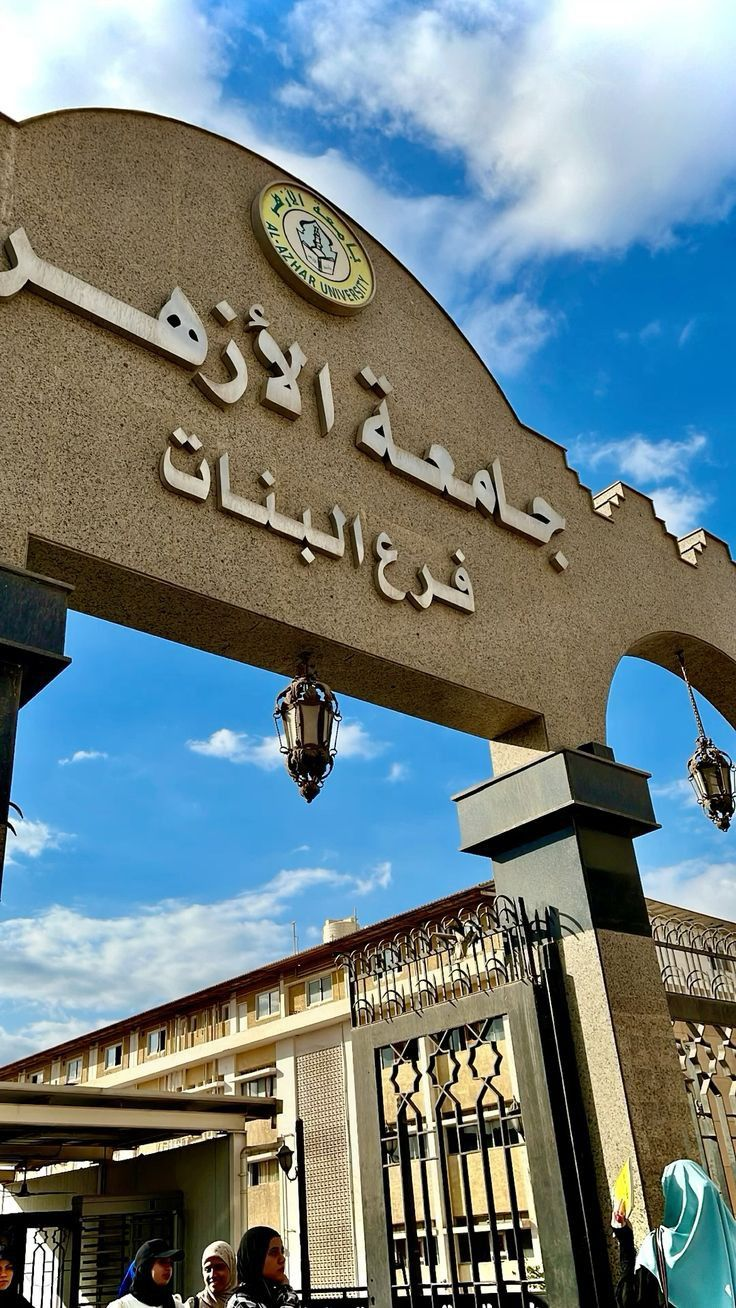






































Rising in the heart of Cairo, the Al-Azhar Mosque and Complex has been standing for over a thousand years as one of the most well-established educational and cultural centers not only of Egypt, but of the entire Islamic world.
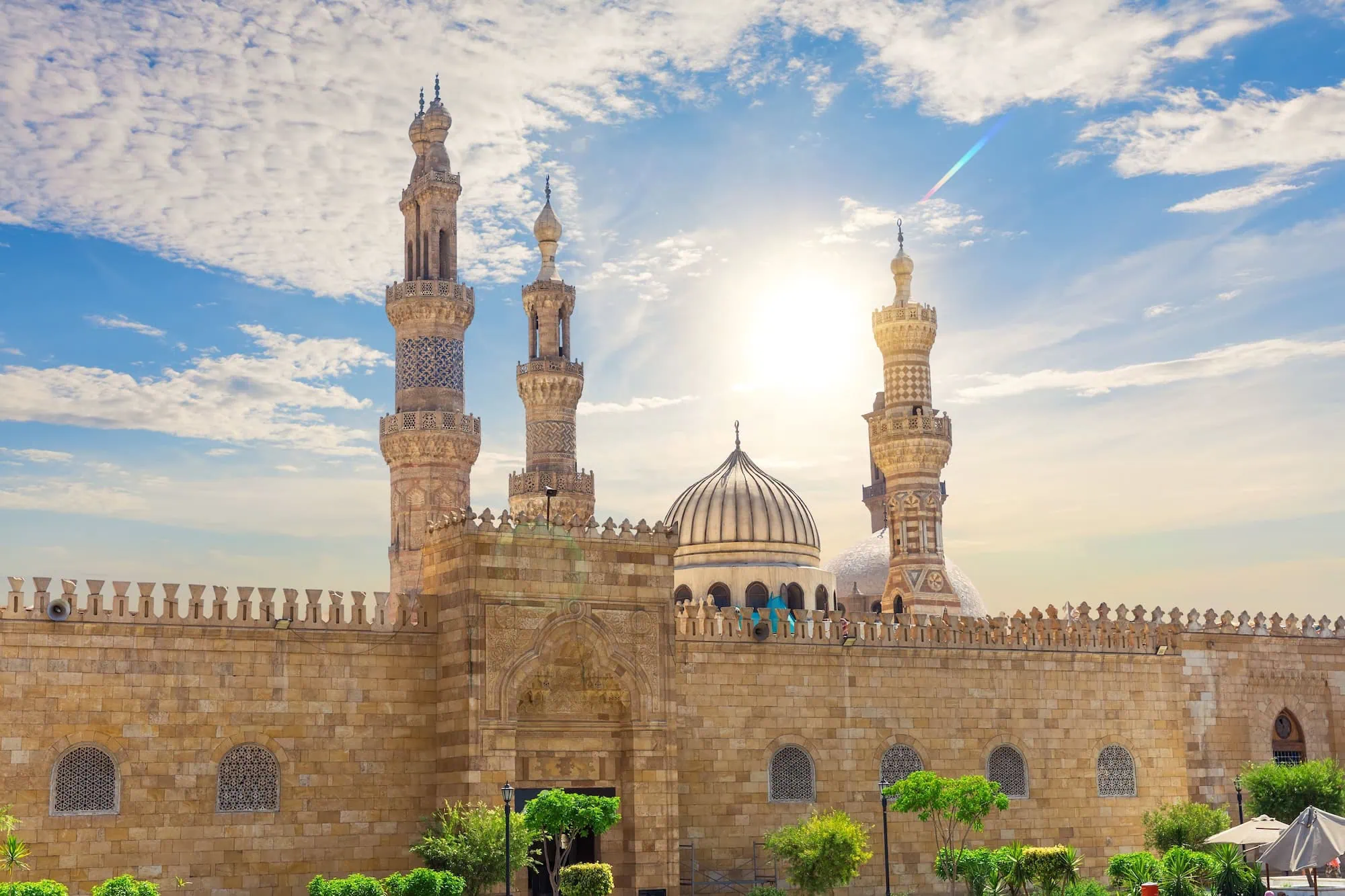
Founded in 969 alongside the establishment of Cairo by the Fatimid commander Jawhar al-Siqilli, the structure hosted its first Friday prayer in 972. Widely believed to take its name from the title al-Zahra, given to Prophet Muhammad’s daughter Fatimah, this magnificent complex was initially a house of worship where Fatimid doctrines were disseminated, but over time it transformed into a multifaceted center of learning.
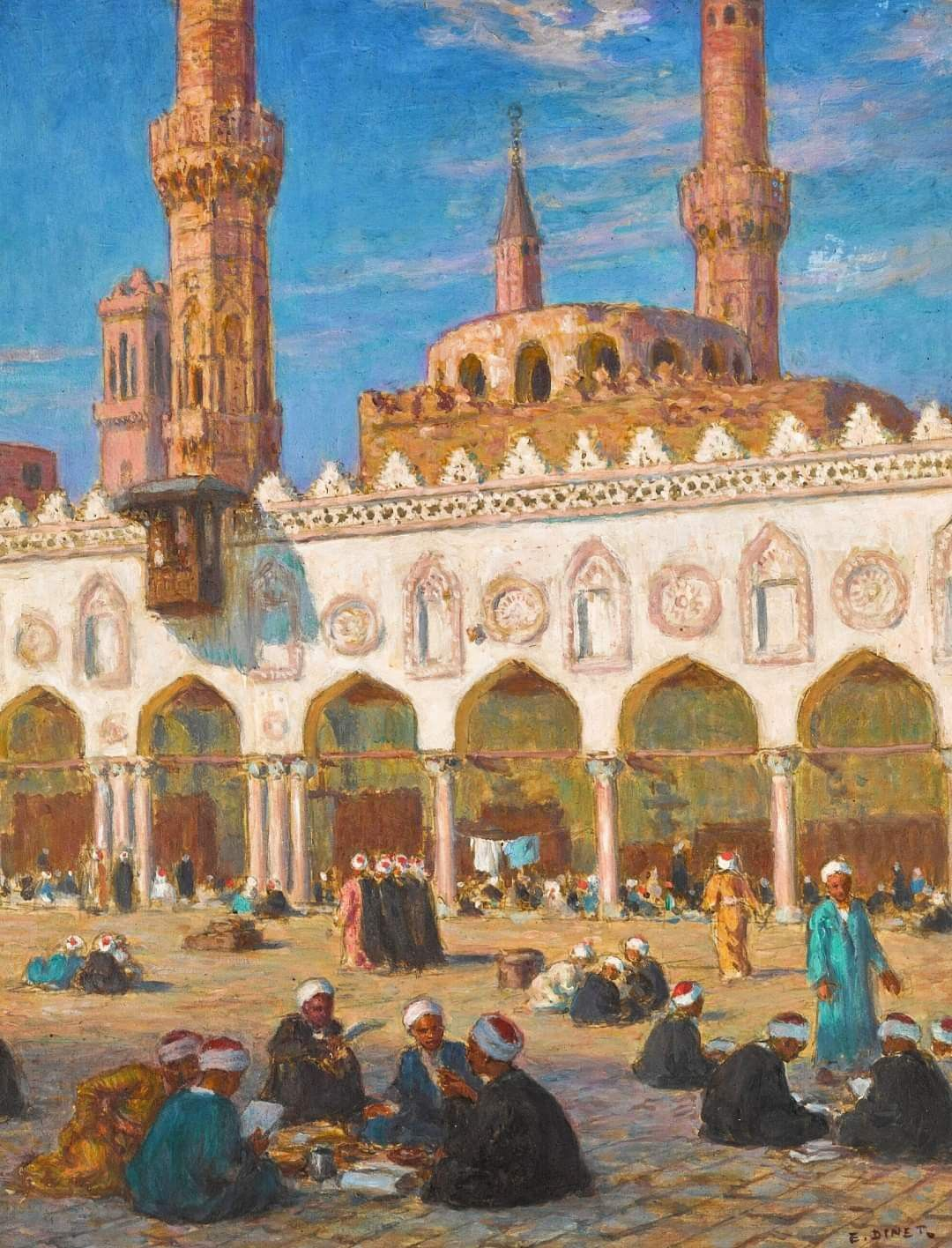
Maintaining its vitality by preserving its autonomous structure during the Ottoman period as well, the complex established an international academic network through its student quarters housing students from Africa, the Balkans, and Asia alongside Egyptians.
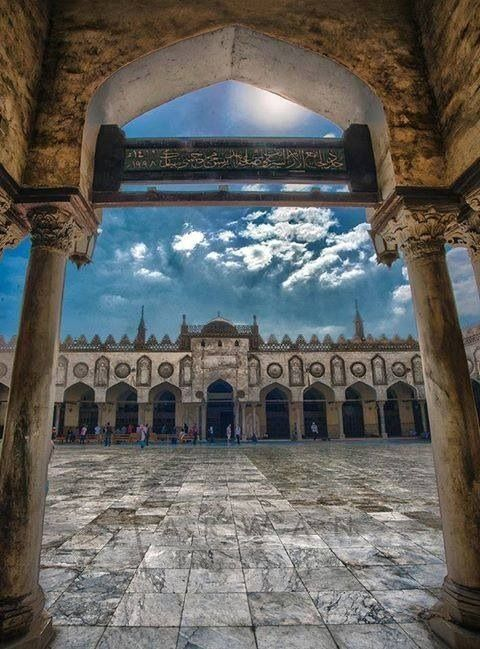
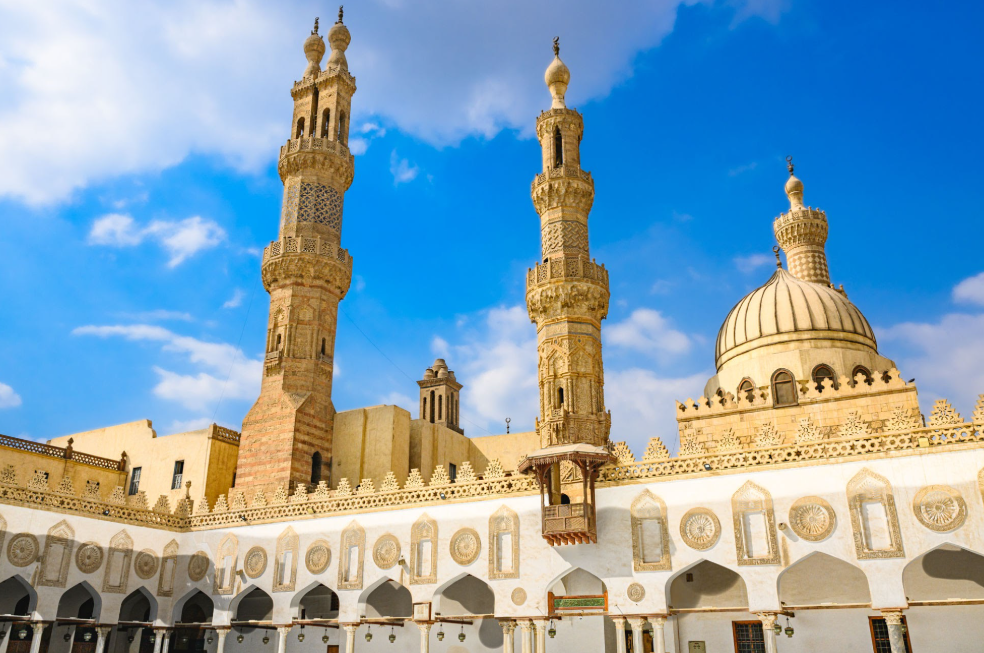
With its richly ornamented arcades surrounding its spacious courtyard, majestic minarets bearing traces of different eras, and a rich library heritage, Al-Azhar has always been at the center of social and political history as well. Serving for centuries as a focal point for the pursuit of justice, resistance against foreign occupations, and scholarly debates, the complex attained a modern university structure through reforms in the 20th century, continuing to bridge its deep-rooted tradition with the contemporary academic world.