



































Rising within the historical fabric of Damascus as one of the most elegant and refined examples of Ayyubid architecture, the Al-Adiliyya Madrasa defies centuries not only as a center of education but also as a magnificent mausoleum.
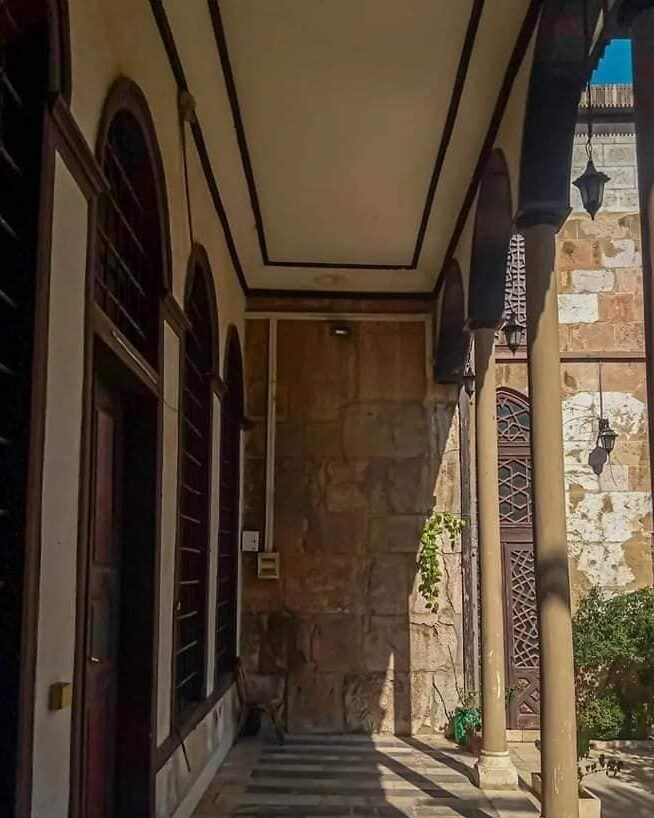
With its foundations laid in 1215 by Sultan Al-Adil I, brother of the renowned commander Saladin, and completed by his son after his passing, the Al-Adiliyya Madrasa holds a very special place in Syria’s cultural memory through a design that masterfully combines the educational and commemorative functions of the era under a single roof.
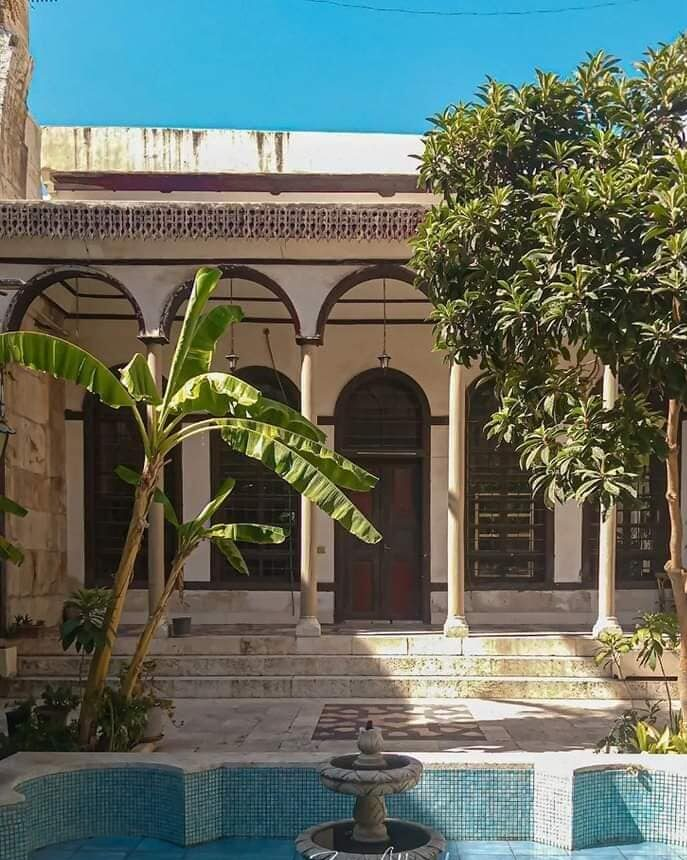
Bearing the characteristic features of traditional Syrian architecture, the madrasa is shaped around a spacious inner courtyard surrounded by education rooms and arches. With its eye-catching stonework, geometric patterns, and balanced proportions, it reflects the pinnacle of Ayyubid aesthetics. Having opened its doors to countless students and scholars for centuries as one of the most prestigious educational centers of the Islamic world, the complex also possesses a deep spiritual atmosphere, as it houses the tomb of its founder, Sultan Al-Adil I. This monumental architecture of the Al-Adiliyya Madrasa was also the main source of inspiration for the famous Al-Zahiriyah Library, which was built decades later and is located right nearby.
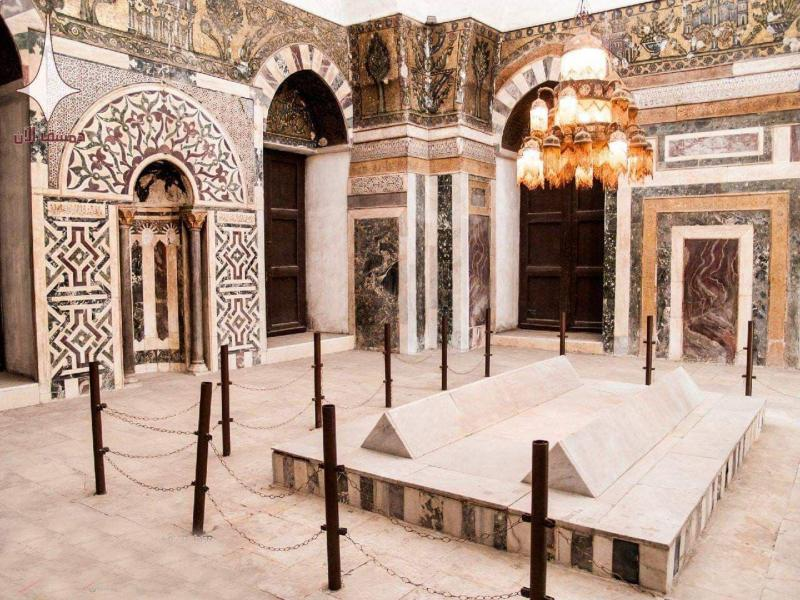
Al-Zahiriyah Library
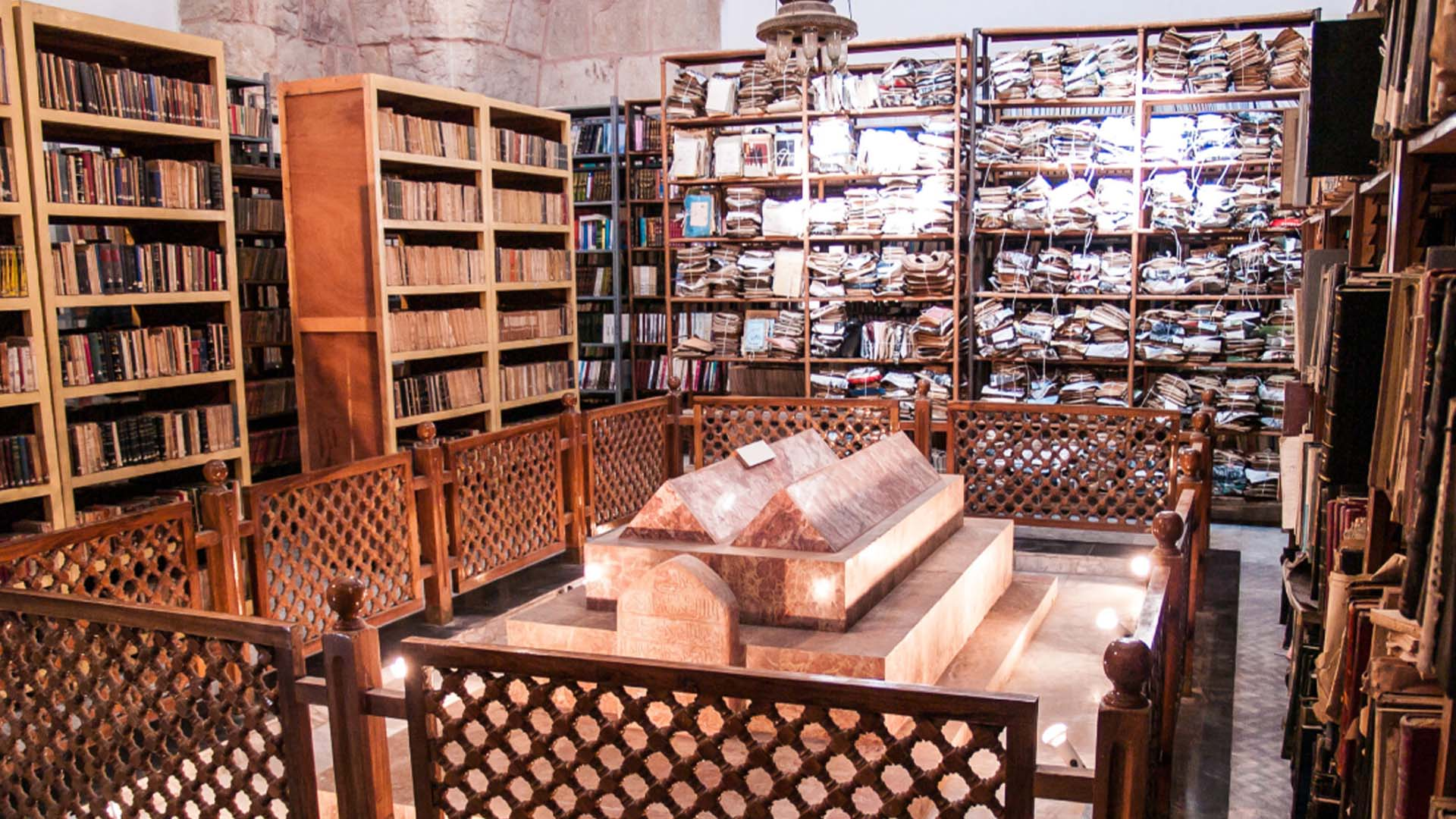
Al-Adiliyya Madrasa
Transforming over time following its religious and academic functions in the classical period, the Al-Adiliyya Madrasa has continued to play a leading role in Syria’s cultural development in the modern era as well. Having hosted the country’s invaluable historical artifacts as the original site where the National Museum of Syria was established in 1919, the building today serves as the headquarters for the esteemed Arab Academy of Damascus (Majma’ al-Lughah al-‘Arabiyyah), one of the oldest institutions dedicated to the preservation and development of the Arabic language and literature.
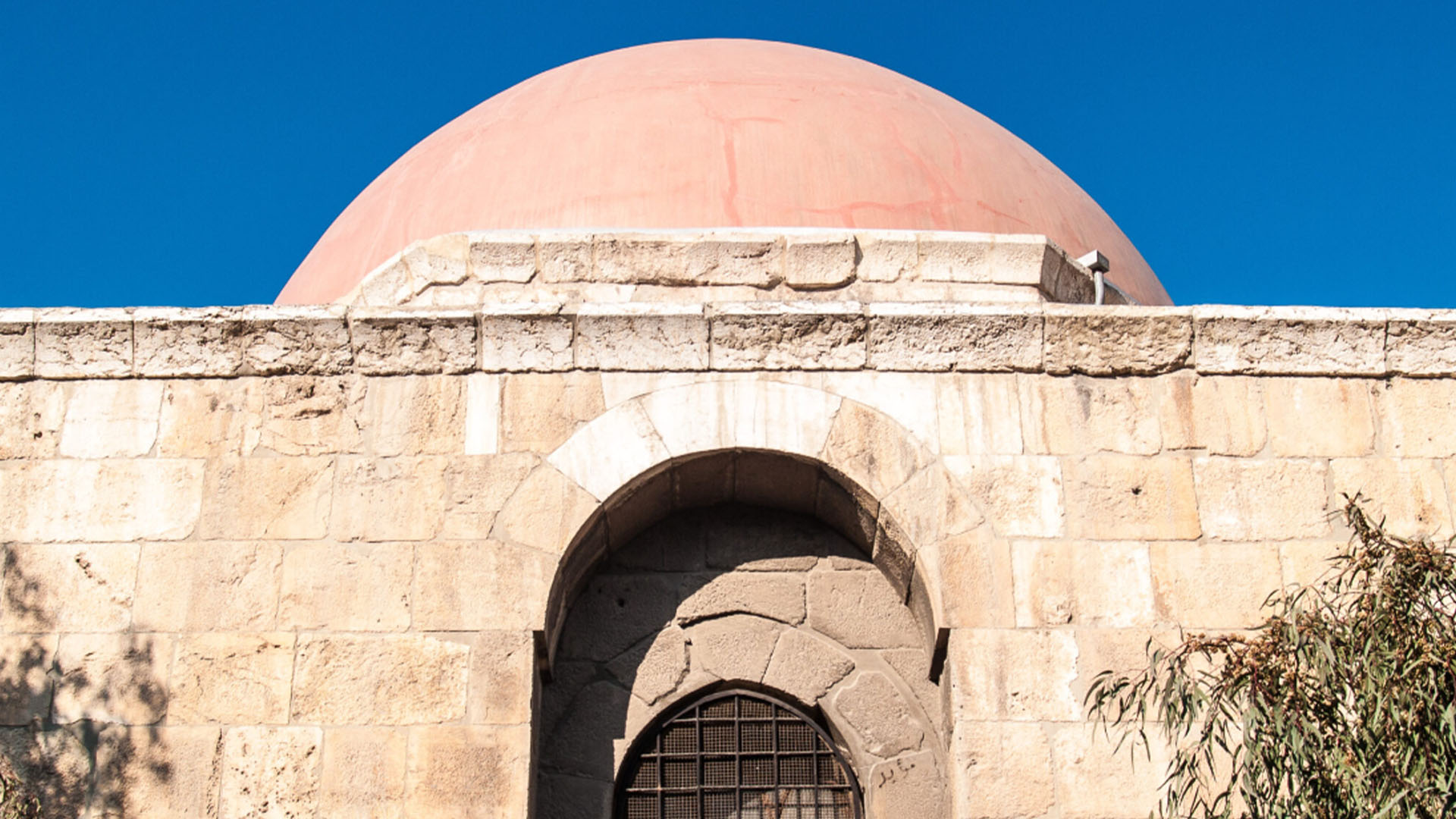
Bringing together architecture, spirituality, and a deep-rooted educational tradition in the same courtyard, this masterpiece stands tall in the narrow streets of Old Damascus as a vibrant cultural fortress connecting the past and the present.

