






İLKE Vakfı
Platform
No Result
View All Result
  • PLATFORM
  • HABERLER
    İLKE Agenda: Muzzammil Ayyub Thakur ile Keşmir’in “Filistinleştirilmesi”

    İLKE Agenda: Muzzammil Ayyub Thakur ile Keşmir’in “Filistinleştirilmesi”

    İLKE Agenda: Muzzammil Ayyub Thakur ile Keşmir’in “Filistinleştirilmesi”

    The Platform Talks: Kinda Hawasli ile 8 Aralık Sonrası Suriye

    İLKE Agenda: Muzzammil Ayyub Thakur ile Keşmir’in “Filistinleştirilmesi”

    The Platform Talks: Azzam Tamimi ile 7 Ekim Sonrası Filistin

    İLKE Agenda: Muzzammil Ayyub Thakur ile Keşmir’in “Filistinleştirilmesi”

    İLKE Agenda: Gazze Soykırımı Günlerinde Aktivizm ve İslamofobi

    Filistin Sempozyumu: Filistin ve Küresel İlişkilerin Geleceği

    Filistin Sempozyumu: Filistin ve Küresel İlişkilerin Geleceği

    Filistin Sempozyumu: Filistin ve Küresel İlişkilerin Geleceği

    Müslüman Dünyada Çağdaş Düşünce Konferansı’nda buluşuyoruz!

    Filistin Sempozyumu: Filistin ve Küresel İlişkilerin Geleceği

    Müslüman Dünyada Çağdaş Düşünce Konferansı

    Filistin Sempozyumu: Filistin ve Küresel İlişkilerin Geleceği

    Dr. Jonathan Brown “İslam’ın Siyahiliğe ve Köleliğe Yaklaşımı” adlı seminer gerçekleştirdi.

  • ANALİZLER
    • All
    • Düşünce
    • Eğitim
    • Ekonomi
    • Enerji ve Çevre
    • Göç
    • Medya, Kültür ve Sanat
    • Temel Hak ve Özgürlükler
    • Toplumsal Meseleler
    The Gravity of What Took Place at Al-Aqsa Mosque During Ramadan 2026

    Ramazan 2026’da Mescid-i Aksa’da Yaşananların Ciddiyeti

    AFP/GETTY IMAGES

    FLA-JNIM İş Birliği ve Mali’de Değişen Güvenlik Dinamikleri

    Sosyal Medyada İslamcı-Muhafazakâr Kamusallığın Dönüşümü Üzerine

    Sosyal Medyada İslamcı-Muhafazakâr Kamusallığın Dönüşümü Üzerine

    Bangladeş’te 2026 Seçimleri Sonrası Siyasi Tartışmalar

    Bangladeş’te 2026 Seçimleri Sonrası Siyasi Tartışmalar

    Filistin’de Çocuk Olmak: 5 Nisan Filistinli Çocuklar Günü

    Filistin’de Çocuk Olmak: 5 Nisan Filistinli Çocuklar Günü

    Security, Fragility, and the Search for a New Equilibrium in the Gulf Following the Iranian Attacks

    İran Saldırıları Sonrası Körfez’de Güvenlik, Kırılganlık ve Yeni Denge Arayışı

  • SÖYLEŞİLER
    The Decolonization of Knowledge: Interview with Professor Souleymane Bachir Diagne

    Bilginin Dekolonizasyonu: Profesör Souleymane Bachir Diagne ile Röportaj

    A Possible New Breath in Regional Balances: The Alliance of Türkiye, Pakistan, Egypt, and Saudi Arabia

    Bölgesel Dengelerde Olası Yeni Bir Soluk: Türkiye, Pakistan, Mısır ve Suudi Arabistan İttifakı

    Digital Ummah and Muslim Identity: Dr. Sahar Khamis Interview

    Dijital Ümmet ve Müslüman Kimliği: Dr. Sahar Khamis ile Röportaj

    From the Ballot Box to the Street: The Rising Social Wave in Tanzania After the Election

    Sandıktan Sokağa: Tanzanya’da Seçim Sonrası Yükselen Toplumsal Dalga

    Müslüman Nüfusa Karşı Güvenlikleştirme

    Müslüman Nüfusa Karşı Güvenlikleştirme

    Gurbet Hikayeleri

    Gurbet Hikayeleri

    Göçü Yönetmek: Dr. Mehmet Köse’yle Söyleşi

    Göçü Yönetmek: Dr. Mehmet Köse’yle Söyleşi

    İstanbul’daki Uluslararası Öğrencilerle Söyleşi

    İstanbul’daki Uluslararası Öğrencilerle Söyleşi

    Zaytuna College Lisansüstü Eğitim Dekanı Maşuk Yamaç’la Söyleşi

    Zaytuna College Lisansüstü Eğitim Dekanı Maşuk Yamaç’la Söyleşi

  • DÜNYADAN SESLER
    Voices from the Muslim World | Sari Hanafi (with Turkish subtitles)

    Voices from the Muslim World | Sari Hanafi (with Turkish subtitles)

    Voices from the Muslim World | Ovamir Anjum

    Voices from the Muslim World | Ovamir Anjum

    VOICES FROM THE MUSLIM WORLD | DR. YASIR QADHI

    VOICES FROM THE MUSLIM WORLD | DR. YASIR QADHI

    VOICES FROM THE MUSLIM WORLD | DR. ADEEL MALIK

    VOICES FROM THE MUSLIM WORLD | DR. ADEEL MALIK

  • SAYILAR
  • VERİTABANI
    • All
    • Hareketler
    • Kurumlar
    • Şahsiyetler
    Pak-Türk Maarif

    Pak-Türk Maarif

    İslam Vakfı

    İslam Vakfı

    Avrupa Fetva ve Araştırma Konseyi

    Avrupa Fetva ve Araştırma Konseyi

    Tokyo Camii ve Diyanet Türk Kültür Merkezi

    Tokyo Camii ve Diyanet Türk Kültür Merkezi

  • PLATFORM
  • HABERLER
    İLKE Agenda: Muzzammil Ayyub Thakur ile Keşmir’in “Filistinleştirilmesi”

    İLKE Agenda: Muzzammil Ayyub Thakur ile Keşmir’in “Filistinleştirilmesi”

    İLKE Agenda: Muzzammil Ayyub Thakur ile Keşmir’in “Filistinleştirilmesi”

    The Platform Talks: Kinda Hawasli ile 8 Aralık Sonrası Suriye

    İLKE Agenda: Muzzammil Ayyub Thakur ile Keşmir’in “Filistinleştirilmesi”

    The Platform Talks: Azzam Tamimi ile 7 Ekim Sonrası Filistin

    İLKE Agenda: Muzzammil Ayyub Thakur ile Keşmir’in “Filistinleştirilmesi”

    İLKE Agenda: Gazze Soykırımı Günlerinde Aktivizm ve İslamofobi

    Filistin Sempozyumu: Filistin ve Küresel İlişkilerin Geleceği

    Filistin Sempozyumu: Filistin ve Küresel İlişkilerin Geleceği

    Filistin Sempozyumu: Filistin ve Küresel İlişkilerin Geleceği

    Müslüman Dünyada Çağdaş Düşünce Konferansı’nda buluşuyoruz!

    Filistin Sempozyumu: Filistin ve Küresel İlişkilerin Geleceği

    Müslüman Dünyada Çağdaş Düşünce Konferansı

    Filistin Sempozyumu: Filistin ve Küresel İlişkilerin Geleceği

    Dr. Jonathan Brown “İslam’ın Siyahiliğe ve Köleliğe Yaklaşımı” adlı seminer gerçekleştirdi.

  • ANALİZLER
    • All
    • Düşünce
    • Eğitim
    • Ekonomi
    • Enerji ve Çevre
    • Göç
    • Medya, Kültür ve Sanat
    • Temel Hak ve Özgürlükler
    • Toplumsal Meseleler
    The Gravity of What Took Place at Al-Aqsa Mosque During Ramadan 2026

    Ramazan 2026’da Mescid-i Aksa’da Yaşananların Ciddiyeti

    AFP/GETTY IMAGES

    FLA-JNIM İş Birliği ve Mali’de Değişen Güvenlik Dinamikleri

    Sosyal Medyada İslamcı-Muhafazakâr Kamusallığın Dönüşümü Üzerine

    Sosyal Medyada İslamcı-Muhafazakâr Kamusallığın Dönüşümü Üzerine

    Bangladeş’te 2026 Seçimleri Sonrası Siyasi Tartışmalar

    Bangladeş’te 2026 Seçimleri Sonrası Siyasi Tartışmalar

    Filistin’de Çocuk Olmak: 5 Nisan Filistinli Çocuklar Günü

    Filistin’de Çocuk Olmak: 5 Nisan Filistinli Çocuklar Günü

    Security, Fragility, and the Search for a New Equilibrium in the Gulf Following the Iranian Attacks

    İran Saldırıları Sonrası Körfez’de Güvenlik, Kırılganlık ve Yeni Denge Arayışı

  • SÖYLEŞİLER
    The Decolonization of Knowledge: Interview with Professor Souleymane Bachir Diagne

    Bilginin Dekolonizasyonu: Profesör Souleymane Bachir Diagne ile Röportaj

    A Possible New Breath in Regional Balances: The Alliance of Türkiye, Pakistan, Egypt, and Saudi Arabia

    Bölgesel Dengelerde Olası Yeni Bir Soluk: Türkiye, Pakistan, Mısır ve Suudi Arabistan İttifakı

    Digital Ummah and Muslim Identity: Dr. Sahar Khamis Interview

    Dijital Ümmet ve Müslüman Kimliği: Dr. Sahar Khamis ile Röportaj

    From the Ballot Box to the Street: The Rising Social Wave in Tanzania After the Election

    Sandıktan Sokağa: Tanzanya’da Seçim Sonrası Yükselen Toplumsal Dalga

    Müslüman Nüfusa Karşı Güvenlikleştirme

    Müslüman Nüfusa Karşı Güvenlikleştirme

    Gurbet Hikayeleri

    Gurbet Hikayeleri

    Göçü Yönetmek: Dr. Mehmet Köse’yle Söyleşi

    Göçü Yönetmek: Dr. Mehmet Köse’yle Söyleşi

    İstanbul’daki Uluslararası Öğrencilerle Söyleşi

    İstanbul’daki Uluslararası Öğrencilerle Söyleşi

    Zaytuna College Lisansüstü Eğitim Dekanı Maşuk Yamaç’la Söyleşi

    Zaytuna College Lisansüstü Eğitim Dekanı Maşuk Yamaç’la Söyleşi

  • DÜNYADAN SESLER
    Voices from the Muslim World | Sari Hanafi (with Turkish subtitles)

    Voices from the Muslim World | Sari Hanafi (with Turkish subtitles)

    Voices from the Muslim World | Ovamir Anjum

    Voices from the Muslim World | Ovamir Anjum

    VOICES FROM THE MUSLIM WORLD | DR. YASIR QADHI

    VOICES FROM THE MUSLIM WORLD | DR. YASIR QADHI

    VOICES FROM THE MUSLIM WORLD | DR. ADEEL MALIK

    VOICES FROM THE MUSLIM WORLD | DR. ADEEL MALIK

  • SAYILAR
  • VERİTABANI
    • All
    • Hareketler
    • Kurumlar
    • Şahsiyetler
    Pak-Türk Maarif

    Pak-Türk Maarif

    İslam Vakfı

    İslam Vakfı

    Avrupa Fetva ve Araştırma Konseyi

    Avrupa Fetva ve Araştırma Konseyi

    Tokyo Camii ve Diyanet Türk Kültür Merkezi

    Tokyo Camii ve Diyanet Türk Kültür Merkezi

No Result
View All Result
Platform
No Result
View All Result
Home Analyses

The Driving Force of Islamic Finance Sector: Gulf Capital

Erhan Akkaş by Erhan Akkaş
1 Ekim 2025
in Analyses
0
The Driving Force of Islamic Finance Sector: Gulf Capital
0
SHARES
5
VIEWS
Share on FacebookShare on Twitter

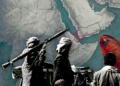
Although the history of modern Islamic financial institutions dates back to the 1960s, it had its real rise in the early 1970s. Undoubtedly, the share of oil revenues obtained by the Muslim world in the Arab geography is quite significant in this rise. At the time when the Islamic Development Bank was established in Jeddah, Dubai Islamic Bank, Kuwait Finance House and Bahrain Islamic Bank started operating subsequently, all before the 1980s (Wilson, 2009). Thus, since the 1970s, oil-rich Arab countries, primarily Saudi Arabia, or in other words, the Gulf Cooperation Council (GCC) countries (Bahrain, United Arab Emirates, Qatar, Kuwait, Saudi Arabia and Oman) have played an important role in the development of Islamic finance. Among these, Oman is the only country where Oman Islamic finance sector has appeared quite recently.

The main segment that distinguishes GCC countries from other countries is the banking sector. As shown in Figure 1, the GCC countries had approximately US$1.2 trillion in banking assets in 2021, while the total size of other countries was approximately US$891.6 billion. Looking at the issuance of Sukuk[1], while the sum of other countries was US$443.4 billion, the GCC countries issued US$332.3 billion of sukuk. The main reason why the GCC countries lag behind the sum other countries in issuing sukuk is Malaysia’s leading position in issuing sukuk. In Islamic funds, the GCC countries’ share stands at  US$ 46 billion, while other countries have approximately US$ 108.6 billion. In takaful practice (participation insurance), the GCC countries have 12.7 billion US dollars, while the worth of takaful practice of other countries is 11.6 US dollars in total. With all these practices, the total contribution of the GCC countries to the Islamic finance sector in 2021 was 1.6 trillion dollars. This figure stood at $1.38 trillion in 2020. Thus, its contribution increased from 49% in 2020 to 52.4% in 2021. Considering the COVID-19 epidemic experienced during the period of the rise, a significant success has been achieved.

According to The Banker’s 2021 report, there are a total of 139 Islamic financial institutions in the GCC countries, including commercial banks, wholesale banks, investment companies, insurance companies and non-bank financial institutions as full-fledged or Islamic windows. While there are 40 Islamic financial institutions in total in Saudi Arabia, only 7 institutions exist in Oman. The reason for the small number of Islamic financial institutions in Oman is related to the recent introduction of Islamic financial practices there. Citizens also drew their attention towards Islamic finance after the protests that took place in Oman during the Arab Spring (Parker, 2011). As a result, the first Islamic banking institution started operating in Oman in 2012.

Looking at the banking sector, which ranks first in terms of the contribution of GCC countries to the Islamic finance sector, it is seen that 8 of the 10 largest Islamic banks belong to GCC countries. The other two banks are located in Malaysia. These 10 banks are also the largest Islamic financial institutions. The country with the most banks in the top 10 is Saudi Arabia. Saudi Al Rajhi Bank, on the other hand, stands out as the largest Islamic financial institution with its Shariah-compliant assets of approximately US$125 billion.

When we look at Islamic insurance companies, we see a picture similar to the banking sector. Seven of the top 10 Islamic insurance companies are located in the GCC countries. In fact, six of these companies are located in Saudi Arabia. According to this table, it is possible to say that Saudi Arabia is a pioneer in the Islamic insurance sector, and the largest company is The Company for Co-operative Insurance, with its Shariah-compliant assets of US$3.8 billion.

When the global sukuk issuances of the GCC countries are analyzed, it is seen that Saudi Arabia was the largest exporter GCC country between 2001 and 2021, as shown in Table 4. Saudi Arabia is followed by the United Arab Emirates. Bahrain, which is the smallest country in the region in terms of demographics and its land area, is the third largest global sukuk exporter. In addition, when the amount of sukuk is taken into account, Bahrain is the country that exports the most with 492 issues. Considering the last 20 years of issuance of the GCC countries, it is seen that 25.9% of the total global sukuk issuances are realized here. Although this share may seem high at first glance, it is possible to say that it is low for these highly prosperous countries, which are the driving force for the sector. In particular, it lags far behind the banking sector. The relatively lower performance of the GCC countries in terms of sukuk can undoubtedly be attributed to Malaysia’s leading position in this field. However, with the recent fluctuations in oil prices and the budget deficit in the GCC countries due to the COVID-19 epidemic, it is a strong possibility that the issuance of sukuk will increase in order to provide the necessary liquidity to the projects in the region.

Oil-rich Arab countries, which have been the driving force of the Islamic finance sector since the day it emerged in the modern sense, have made significant contributions to the development of this sector. Although they have a very high share in terms of sukuk, Islamic funds and non-bank financial institutions, their biggest contribution has undoubtedly been to the banking and Islamic insurance sectors, where they have a larger share than the rest of the world. When evaluated as a country, the most striking countries are Saudi Arabia and Oman. Since the emergence of modern financial institutions, Saudi Arabia has been in the leading position as the driving force of this sector thanks to its oil revenues. Despite being the last country to start Islamic financial practices among the countries in the region, Oman has been on a rapid rise with the institutions it has established in the last 10 years. There is no doubt that the demand from the public has a great impact on this policy of Oman. In fact, this situation is seen as an opportunity for countries with relatively less natural resource incomes to become financial centers compared to other GCC countries such as Oman and Bahrain. In this context, Bahrain hosts many international Islamic financial institutions and with this feature, it shows a multi-faceted development from educational institutions to banks, and from fintech companies to regulatory and supervisory institutions. From this point of view, it is possible to say that Bahrain has achieved significant success in this field.

As a result, the GCC countries have made significant contributions to the banking sector, by utilizing the prosperity they have achieved through oil revenues in the financial sector. On the other hand, the development of the financial sector in the region contributes to the diversification of the economies of the regional countries that depend on a single source of income. In summary, it is possible to say that the financial sector, which developed with the Gulf capital, diversified the economies of the Gulf countries. The fact that the GCC countries support the Islamic finance sector and more specifically fintech projects shows that this sector will be important in diversifying the national economies in the future.

References

IIFM (2020). Sukuk report: A comprehensive study of the global sukuk market. Manama, Bahreyn. Retrieved from https://www.iifm.net/sukuk-reports

IFSB (2022). Islamic financial services industry: Stability report 2022. Retrieved from https://www.ifsb.org/sec03.php

Parker, M. (2011). Oman’s welcomed u-turn in Islamic banking policy. Arab News. Retrieved from https://www.arabnews.com/node/378338

The Banker (2021). Top Islamic financial institutions. November 2021, Special Report.

Wilson, R. (2009). The development of Islamic finance in the GCC. Kuwait Programme on Development, Governance and Globalisation in the Gulf States. London School of Economics and Political Science. Retrieved from http://eprints.lse.ac.uk/55281/

[1] Sukuk (Islamic investment certificate, ا كوكصل): A type of financial certificate, investment certificate. Securities that are issued to provide financing to represent ownership or usufruct shares in assets or shares in an investment activity, enabling their owners to benefit from the generated income according to their shares. It is divided into different types such as ijarah sukuk, Mudarabah sukuk, Musharakah sukuk, hybrid sukuk, etc. based on the contract behind it. (TKBB Dictionary of Interest- Free Finance)
Tags: Gulf CapitalGulf CountriesGulf StudiesIslamic Finance Sector
Previous Post

Alternative Perspectives on Human Development: Islamic Development Indices

Next Post

A Brief Analysis of the South Korean Muslim Community

Next Post
A Brief Analysis of the South Korean Muslim Community

A Brief Analysis of the South Korean Muslim Community

Bir yanıt yazın Yanıtı iptal et

E-posta adresiniz yayınlanmayacak. Gerekli alanlar * ile işaretlenmişlerdir

  • A Possible New Breath in Regional Balances: The Alliance of Türkiye, Pakistan, Egypt, and Saudi Arabia

    Bölgesel Dengelerde Olası Yeni Bir Soluk: Türkiye, Pakistan, Mısır ve Suudi Arabistan İttifakı

    0 shares
    Share 0 Tweet 0
  • Nakşibendi-Hakkani Tarikatı

    0 shares
    Share 0 Tweet 0
  • Bilime Yön Verenler: Nobel Ödüllü Müslüman Bilim İnsanları

    0 shares
    Share 0 Tweet 0
  • Fuad Sezgin

    0 shares
    Share 0 Tweet 0
  • Sosyal Medyada İslamcı-Muhafazakâr Kamusallığın Dönüşümü Üzerine

    0 shares
    Share 0 Tweet 0
  • The Gravity of What Took Place at Al-Aqsa Mosque During Ramadan 2026

    Ramazan 2026’da Mescid-i Aksa’da Yaşananların Ciddiyeti

    0 shares
    Share 0 Tweet 0
  • The Gravity of What Took Place at Al-Aqsa Mosque During Ramadan 2026

    0 shares
    Share 0 Tweet 0
  • FLA-JNIM Cooperation and Shifting Security Dynamics in Mali

    0 shares
    Share 0 Tweet 0
  • FLA-JNIM İş Birliği ve Mali’de Değişen Güvenlik Dinamikleri

    0 shares
    Share 0 Tweet 0
  • The Current State of Indonesia’s Luxury Industry and the Landscape of Independent Handcrafted Watchmaking

    0 shares
    Share 0 Tweet 0

Platform: Müslüman Dünyanın Gündemi, Müslüman toplumların fikrî, siyasi, sosyal, ekonomik ve kültürel gündemlerini takip ve tahlil edip Müslüman dünyaya dair güncel ve özgün perspektifler sunmayı amaçlayan bir yayın organı olarak İLKE İlim Kültür Eğitim Vakfı bünyesinde kurulmuştur.

  • SAYILAR
  • ANALİZLER
  • HABERLER
  • SÖYLEŞİLER
  • DÜNYADAN SESLER
  • platform@ilke.org.tr
  • (0216) 310 43 18
  • Aziz Mahmut Hüdayi Mah. Türbe Kapısı Sk. No: 13 Üsküdar, İstanbul

2025 @ PLATFORM bir İLKE Vakfı kuruluşudur. Tüm hakları saklıdır. 

No Result
View All Result
  • Home
  • Analizler
  • Haberler
  • Söyleşiler
  • Dünyadan Sesler