
İLKE Vakfı
Platform
tr Türkçe en English
No Result
View All Result
  • PLATFORM
  • NEWS
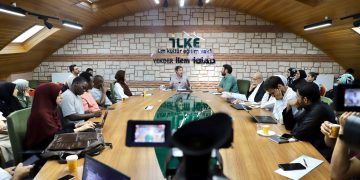
    İLKE Agenda: Muzzammil Ayyub Thakur ile Keşmir’in “Filistinleştirilmesi”

    Khaled Beydoun: “Islamophobia is a modern manifestation of the crusades”

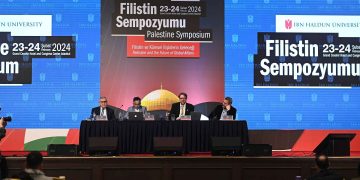
    Filistin Sempozyumu: Filistin ve Küresel İlişkilerin Geleceği

    Exploring Islam’s View on Slavery and Blackness: Seminar by Jonathan A.C. Brown

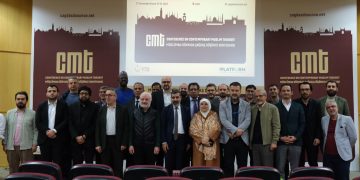
    The Conference on Contemporary Muslim Thought

    The Conference on Contemporary Muslim Thought

    Filistin Sempozyumu: Filistin ve Küresel İlişkilerin Geleceği

    Palestine Symposium: Palestine and the Future of Global Affairs

    İLKE Agenda: Muzzammil Ayyub Thakur ile Keşmir’in “Filistinleştirilmesi”

    The Platform Talks: Palestine after October 7 with Azzam Tamimi

    İLKE Agenda: Muzzammil Ayyub Thakur ile Keşmir’in “Filistinleştirilmesi”

    The Palestine Talks: Syria after December 8 with Kinda Hawasli

    İLKE Agenda: Muzzammil Ayyub Thakur ile Keşmir’in “Filistinleştirilmesi”

    İLKE Agenda: The “Palestinization” of Kashmir with Muzzammil Ayyub Thakur

  • ANALYSIS
    • All
    • Culture, Arts and Media
    • Economy
    • Education
    • Energy and Environment
    • Fundamental Rights and Freedoms
    • Migration
    • Opinion
    • Social Issues
    İsrail Neden Klasik Sömürgeci Bir Aktör Olarak Görülmeli?

    Why Shouls Israel Be Regarded As a Classical Colonial Actor?

    Beyond Zero-Sum: Connectivity for Shared Prosperity

    Beyond Zero-Sum: Connectivity for Shared Prosperity

    The ‘Malay World’ and Cultural Structuring

    The ‘Malay World’ and Cultural Structuring

    İran-ABD/İsrail Savaşı Sonrası Körfez’in Yeni Güvenlik Doktrini

    The Gulf’s New Security Doctrine After the Iran–U.S./Israel War

    The Carnivalization of the World

    The Carnivalization of the World

    Türkiye’s Evolving Role in Preserving the Memory of the Srebrenica Genocide

    Türkiye’s Evolving Role in Preserving the Memory of the Srebrenica Genocide

  • INTERVIEWS
    A Conversation with Dr. Fadi Zatari on Zionist Terrorism and the Palestinian Resistance

    A Conversation with Dr. Fadi Zatari on Zionist Terrorism and the Palestinian Resistance

    Veri Sömürgeciliği, Yapay Zeka ve Dijital Geleceğimiz: Prof. Ulises Ali Mejias ile Söyleşi

    Data Colonialism, Artificial Intelligence, and Our Digital Future: An Interview with Prof. Ulises Ali Mejias

    Casir el-Bergusi ile Filistin Mücadelesi ve Esaret Yılları Üzerine Bir Röportaj

    An Interview with Jaser Albarghouthi on the Palestinian Struggle and the Years of Captivity

    The Decolonization of Knowledge: Interview with Professor Souleymane Bachir Diagne

    The Decolonization of Knowledge: Interview with Professor Souleymane Bachir Diagne

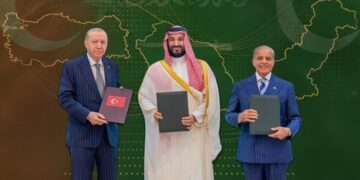
    A Possible New Breath in Regional Balances: The Alliance of Türkiye, Pakistan, Egypt, and Saudi Arabia

    A Possible New Breath in Regional Balances: The Alliance of Türkiye, Pakistan, Egypt, and Saudi Arabia

    From the Ballot Box to the Street: The Rising Social Wave in Tanzania After the Election

    From the Ballot Box to the Street: The Rising Social Wave in Tanzania After the Election

    Kafkasya’da Müslümanlar ve İslami Eğitim: TCDİB Kuzey Kafkasya Koordinatörü Selim Akburak ile Söyleşi

    Muslims and Islamic Education in the Caucasus: An Interview with Selim Burak North Caucasus Coordinator in Directorate of Religious Affairs

    Göçü Yönetmek: Dr. Mehmet Köse’yle Söyleşi

    Interview with Mehmet Köse

    Gurbet Hikayeleri

    Interview on Gurbet Hikayeleri

  • VOICES
    Anas Altikriti | Voices from the Muslim World | Türkçe Altyazılı

    Anas Altikriti | Voices from the Muslim World | Türkçe Altyazılı

    Basil Mustafa (Oxford) | Voices from the Muslim World | with Turkish subtitles

    Basil Mustafa (Oxford) | Voices from the Muslim World | with Turkish subtitles

    OMAR SULEIMAN | VOICES FROM THE MUSLIM WORLD

    OMAR SULEIMAN | VOICES FROM THE MUSLIM WORLD

    Paul Williams | Voices from the Muslim World

    Paul Williams | Voices from the Muslim World

  • DATABASE
    • All
    • Institutions
    • Movements
    • People
    • Q-A
    Afrika Haritalarda Neden Küçük Görünüyor?

    Why Does Africa Appear Smaller on Maps?

    Salman Sayyid

    Salman Sayyid

    Muhammed Abdullah Draz

    Muhammad Abdullah Draz

    Nurettin Topçu

    Nurettin Topçu

    Taha Abdurrahman

    Taha Abdurrahman

    Süleyman Mansur

    Sliman Mansour

    5 Ağustos İslami İnsan Hakları ve İnsan Onuru Günü Nedir?

    What is August 5 Islamic Human Rights and Human Dignity Day?

    Kritik Mineral Nedir?

    What is a critical mineral?

    Sömürgecilik Nedir?

    What is Colonialism?

  • DISCOVER
  • AUTHORS
  • PLATFORM
  • NEWS
    İLKE Agenda: Muzzammil Ayyub Thakur ile Keşmir’in “Filistinleştirilmesi”

    Khaled Beydoun: “Islamophobia is a modern manifestation of the crusades”

    Filistin Sempozyumu: Filistin ve Küresel İlişkilerin Geleceği

    Exploring Islam’s View on Slavery and Blackness: Seminar by Jonathan A.C. Brown

    The Conference on Contemporary Muslim Thought

    The Conference on Contemporary Muslim Thought

    Filistin Sempozyumu: Filistin ve Küresel İlişkilerin Geleceği

    Palestine Symposium: Palestine and the Future of Global Affairs

    İLKE Agenda: Muzzammil Ayyub Thakur ile Keşmir’in “Filistinleştirilmesi”

    The Platform Talks: Palestine after October 7 with Azzam Tamimi

    İLKE Agenda: Muzzammil Ayyub Thakur ile Keşmir’in “Filistinleştirilmesi”

    The Palestine Talks: Syria after December 8 with Kinda Hawasli

    İLKE Agenda: Muzzammil Ayyub Thakur ile Keşmir’in “Filistinleştirilmesi”

    İLKE Agenda: The “Palestinization” of Kashmir with Muzzammil Ayyub Thakur

  • ANALYSIS
    • All
    • Culture, Arts and Media
    • Economy
    • Education
    • Energy and Environment
    • Fundamental Rights and Freedoms
    • Migration
    • Opinion
    • Social Issues
    İsrail Neden Klasik Sömürgeci Bir Aktör Olarak Görülmeli?

    Why Shouls Israel Be Regarded As a Classical Colonial Actor?

    Beyond Zero-Sum: Connectivity for Shared Prosperity

    Beyond Zero-Sum: Connectivity for Shared Prosperity

    The ‘Malay World’ and Cultural Structuring

    The ‘Malay World’ and Cultural Structuring

    İran-ABD/İsrail Savaşı Sonrası Körfez’in Yeni Güvenlik Doktrini

    The Gulf’s New Security Doctrine After the Iran–U.S./Israel War

    The Carnivalization of the World

    The Carnivalization of the World

    Türkiye’s Evolving Role in Preserving the Memory of the Srebrenica Genocide

    Türkiye’s Evolving Role in Preserving the Memory of the Srebrenica Genocide

  • INTERVIEWS
    A Conversation with Dr. Fadi Zatari on Zionist Terrorism and the Palestinian Resistance

    A Conversation with Dr. Fadi Zatari on Zionist Terrorism and the Palestinian Resistance

    Veri Sömürgeciliği, Yapay Zeka ve Dijital Geleceğimiz: Prof. Ulises Ali Mejias ile Söyleşi

    Data Colonialism, Artificial Intelligence, and Our Digital Future: An Interview with Prof. Ulises Ali Mejias

    Casir el-Bergusi ile Filistin Mücadelesi ve Esaret Yılları Üzerine Bir Röportaj

    An Interview with Jaser Albarghouthi on the Palestinian Struggle and the Years of Captivity

    The Decolonization of Knowledge: Interview with Professor Souleymane Bachir Diagne

    The Decolonization of Knowledge: Interview with Professor Souleymane Bachir Diagne

    A Possible New Breath in Regional Balances: The Alliance of Türkiye, Pakistan, Egypt, and Saudi Arabia

    A Possible New Breath in Regional Balances: The Alliance of Türkiye, Pakistan, Egypt, and Saudi Arabia

    From the Ballot Box to the Street: The Rising Social Wave in Tanzania After the Election

    From the Ballot Box to the Street: The Rising Social Wave in Tanzania After the Election

    Kafkasya’da Müslümanlar ve İslami Eğitim: TCDİB Kuzey Kafkasya Koordinatörü Selim Akburak ile Söyleşi

    Muslims and Islamic Education in the Caucasus: An Interview with Selim Burak North Caucasus Coordinator in Directorate of Religious Affairs

    Göçü Yönetmek: Dr. Mehmet Köse’yle Söyleşi

    Interview with Mehmet Köse

    Gurbet Hikayeleri

    Interview on Gurbet Hikayeleri

  • VOICES
    Anas Altikriti | Voices from the Muslim World | Türkçe Altyazılı

    Anas Altikriti | Voices from the Muslim World | Türkçe Altyazılı

    Basil Mustafa (Oxford) | Voices from the Muslim World | with Turkish subtitles

    Basil Mustafa (Oxford) | Voices from the Muslim World | with Turkish subtitles

    OMAR SULEIMAN | VOICES FROM THE MUSLIM WORLD

    OMAR SULEIMAN | VOICES FROM THE MUSLIM WORLD

    Paul Williams | Voices from the Muslim World

    Paul Williams | Voices from the Muslim World

  • DATABASE
    • All
    • Institutions
    • Movements
    • People
    • Q-A
    Afrika Haritalarda Neden Küçük Görünüyor?

    Why Does Africa Appear Smaller on Maps?

    Salman Sayyid

    Salman Sayyid

    Muhammed Abdullah Draz

    Muhammad Abdullah Draz

    Nurettin Topçu

    Nurettin Topçu

    Taha Abdurrahman

    Taha Abdurrahman

    Süleyman Mansur

    Sliman Mansour

    5 Ağustos İslami İnsan Hakları ve İnsan Onuru Günü Nedir?

    What is August 5 Islamic Human Rights and Human Dignity Day?

    Kritik Mineral Nedir?

    What is a critical mineral?

    Sömürgecilik Nedir?

    What is Colonialism?

  • DISCOVER
  • AUTHORS
No Result
View All Result
Platform
No Result
View All Result
tr Türkçe en English
Home Database People

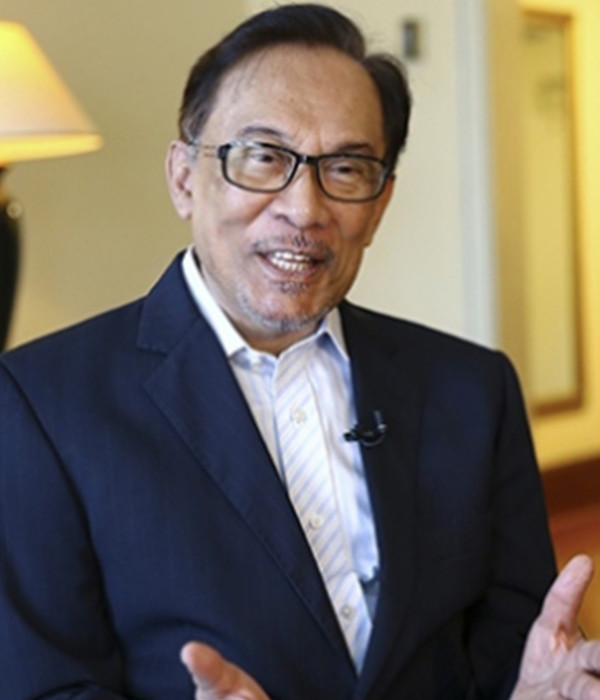
Anwar Ibrahim

Platform Editör by Platform Editör
18 August 2025
in People
Anwar Ibrahim
Share on FacebookShare on Twitter

Anwar Ibrahim was born in Penang in the Malay Union in 1947. His father was Ibrahim Abdul Rahman, who began his career in Penang, was a United Malay National Organization (UMNO) parliamentarian in the Seberang Perai Central Parliament from 1959 to 1969 and was Parliamentary Secretary to the Ministry of Health from 1964 to 1969 – until his retirement. His mother was Che Yan Hussein, a housewife who later became active in UMNO grassroots politics. Anwar Ibrahim completed his education from primary school to high school in Penang, where he was born, and began his rise to leadership by studying Malay Studies at the University of Malaya.

After attracting the attention and discovery of Mahathir Mohamad with his potential and active work, Anwar Ibrahim was invited to UMNO by Prime Minister Mahathir in 1982. Ibrahim accepted the invitation and started to climb the political ladder as Minister of Culture, Youth and Sports in 1983, Minister of Agriculture in 1984 and Minister of Education between 1986 and 1991. In 1997, he was appointed acting prime minister by Mahathir for two months. Anwar Ibrahim’s evolution took place precisely after he was entrusted with this position, which required him to toe Mahathir’s line. Believing that the 1997 economic crisis, known as the “Southeast Asian Crisis”, which started in Thailand and had a domino effect across Asia, required the use of the International Monetary Fund (IMF), Anwar Ibrahim reduced government spending and ministerial salaries. He created an austerity package that would also affect mega-projects, the country’s economic development strategy. He began to fall out with the prime minister as their views on crisis management began to clash.

In 1998, he was dismissed as deputy prime minister due to various accusations against him and shortly afterwards he was imprisoned for the charges. After 6 years in prison, Anwar Ibrahim was acquitted in 2004. In 2008, he was included in TIME magazine’s list of the 100 most influential people in the world. Anwar was sentenced to six years in prison and then to an additional 9 years. Until 2008, he was banned from politics. While in prison, Anwar Ibrahim took advantage of a legal loophole in the system and founded a multi-ethnic reform movement against UMNO, first called KeADIL, led by his wife Wan Aziza Wan Ismail. In 2003, he persuaded another opposition party, the “People’s Party of Malaysia”, known as PRM, to unite with another opposition party, the “Malaysian People’s Party”” under the umbrella of the reform movement to form Parti keADILan Rakyat, the People’s Justice Party.

In 2008, his multi-ethnic party was joined by two other opposition parties, PAS-Malaysia Islamic Party and DAP-Democratic Action Party, to form the PR-’People’s Alliance’, a coalition bloc opposed to UMNO. Anwar Ibrahim’s political ban was to last until April 14, 2008, was unable to participate in the elections after Prime Minister Abdullah Bedouin dissolved parliament and state assemblies and called elections as early as March 8. Anwar Ibrahim handed over the office to his wife on August 28, and she was replaced by Wan Aziza Wan Ismail. Shortly before the 2014 elections, an appeals court overturned his 2012 acquittal on renewed allegations and he was sentenced to five years in prison. Mahathir, 92, has also said that he would resign after two years, leaving the office to Anwar. In one of his first acts in office, Mahathir petitioned Sultan Mohamad. On May 11, 2018, the king announced that he had accepted the request.

References

Malezyalı Politikacı Enver İbrahim: Türkiye, İslam Dünyasının Vicdanının Sesidir. (2018, December 3). Crimea News Agency. Retrieved March 21, 2023, from https://www.qha.com.tr/gundem/malezyali-politikaci-enver-ibrahim-turkiye-islam-dunyasinin-vicdaninin-sesidir-175311

Yakut, N. (2023, March 14). Bir Reformistin Evrimi: Enver i̇brahim. Retrieved March 21, 2023, from https://www.gzt.com/mecra/bir-reformistin-evrimi-enver-ibrahim-3367757
Previous Post

Azyumardi Azra

Next Post

Bessam Tıbî

Popüler Seçkiler

Afrika Haritalarda Neden Küçük Görünüyor?

Why Does Africa Appear Smaller on Maps?

8 September 2026
Salman Sayyid

Salman Sayyid

2 September 2026
Muhammed Abdullah Draz

Muhammad Abdullah Draz

2 September 2026
Nurettin Topçu

Nurettin Topçu

2 September 2026
Taha Abdurrahman

Taha Abdurrahman

2 September 2026
  • Taha Abdurrahman

    Taha Abdurrahman

    0 shares
    Share 0 Tweet 0
  • Nurettin Topçu

    0 shares
    Share 0 Tweet 0
  • Muhammad Abdullah Draz

    0 shares
    Share 0 Tweet 0
  • Salman Sayyid

    0 shares
    Share 0 Tweet 0
  • Why Does Africa Appear Smaller on Maps?

    0 shares
    Share 0 Tweet 0

 Platform: Current Muslim Affairs was established under the İLKE Foundation for Science, Culture and Education as a publication aimed at following and analyzing the intellectual, political, social, economic, and cultural agendas of Muslim societies, while offering original perspectives on the Muslim world.

  • ANALYSIS
  • NEWS
  • INTERVIEWS
  • VOICES
  • platform@ilke.org.tr
  • (0216) 310 43 18
  • Aziz Mahmut Hüdayi Mah. Türbe Kapısı Sk. No: 13 Üsküdar, İstanbul
Instagram X-twitter

2025 @ PLATFORM is an İLKE Foundation organization. All rights reserved.

No Result
View All Result
  • Analyses
  • Interviews
  • Database
    • Q-A
    • People
    • Institutions
    • Movements
  • Voices
  • News
  • DISCOVER
  • Authors