

İLKE Vakfı
Platform
tr Türkçe en English
No Result
View All Result
  • PLATFORM
  • NEWS
    İLKE Agenda: Muzzammil Ayyub Thakur ile Keşmir’in “Filistinleştirilmesi”

    Khaled Beydoun: “Islamophobia is a modern manifestation of the crusades”

    Filistin Sempozyumu: Filistin ve Küresel İlişkilerin Geleceği

    Exploring Islam’s View on Slavery and Blackness: Seminar by Jonathan A.C. Brown

    The Conference on Contemporary Muslim Thought

    The Conference on Contemporary Muslim Thought

    Filistin Sempozyumu: Filistin ve Küresel İlişkilerin Geleceği

    Palestine Symposium: Palestine and the Future of Global Affairs

    İLKE Agenda: Muzzammil Ayyub Thakur ile Keşmir’in “Filistinleştirilmesi”

    The Platform Talks: Palestine after October 7 with Azzam Tamimi

    İLKE Agenda: Muzzammil Ayyub Thakur ile Keşmir’in “Filistinleştirilmesi”

    The Palestine Talks: Syria after December 8 with Kinda Hawasli

    İLKE Agenda: Muzzammil Ayyub Thakur ile Keşmir’in “Filistinleştirilmesi”

    İLKE Agenda: The “Palestinization” of Kashmir with Muzzammil Ayyub Thakur

  • ANALYSIS
    • All
    • Culture, Arts and Media
    • Economy
    • Education
    • Energy and Environment
    • Fundamental Rights and Freedoms
    • Migration
    • Opinion
    • Social Issues
    İsrail Neden Klasik Sömürgeci Bir Aktör Olarak Görülmeli?

    Why Shouls Israel Be Regarded As a Classical Colonial Actor?

    Beyond Zero-Sum: Connectivity for Shared Prosperity

    Beyond Zero-Sum: Connectivity for Shared Prosperity

    The ‘Malay World’ and Cultural Structuring

    The ‘Malay World’ and Cultural Structuring

    İran-ABD/İsrail Savaşı Sonrası Körfez’in Yeni Güvenlik Doktrini

    The Gulf’s New Security Doctrine After the Iran–U.S./Israel War

    The Carnivalization of the World

    The Carnivalization of the World

    Türkiye’s Evolving Role in Preserving the Memory of the Srebrenica Genocide

    Türkiye’s Evolving Role in Preserving the Memory of the Srebrenica Genocide

  • INTERVIEWS
    A Conversation with Dr. Fadi Zatari on Zionist Terrorism and the Palestinian Resistance

    A Conversation with Dr. Fadi Zatari on Zionist Terrorism and the Palestinian Resistance

    Veri Sömürgeciliği, Yapay Zeka ve Dijital Geleceğimiz: Prof. Ulises Ali Mejias ile Söyleşi

    Data Colonialism, Artificial Intelligence, and Our Digital Future: An Interview with Prof. Ulises Ali Mejias

    Casir el-Bergusi ile Filistin Mücadelesi ve Esaret Yılları Üzerine Bir Röportaj

    An Interview with Jaser Albarghouthi on the Palestinian Struggle and the Years of Captivity

    The Decolonization of Knowledge: Interview with Professor Souleymane Bachir Diagne

    The Decolonization of Knowledge: Interview with Professor Souleymane Bachir Diagne

    A Possible New Breath in Regional Balances: The Alliance of Türkiye, Pakistan, Egypt, and Saudi Arabia

    A Possible New Breath in Regional Balances: The Alliance of Türkiye, Pakistan, Egypt, and Saudi Arabia

    From the Ballot Box to the Street: The Rising Social Wave in Tanzania After the Election

    From the Ballot Box to the Street: The Rising Social Wave in Tanzania After the Election

    Kafkasya’da Müslümanlar ve İslami Eğitim: TCDİB Kuzey Kafkasya Koordinatörü Selim Akburak ile Söyleşi

    Muslims and Islamic Education in the Caucasus: An Interview with Selim Burak North Caucasus Coordinator in Directorate of Religious Affairs

    Göçü Yönetmek: Dr. Mehmet Köse’yle Söyleşi

    Interview with Mehmet Köse

    Gurbet Hikayeleri

    Interview on Gurbet Hikayeleri

  • VOICES
    Anas Altikriti | Voices from the Muslim World | Türkçe Altyazılı

    Anas Altikriti | Voices from the Muslim World | Türkçe Altyazılı

    Basil Mustafa (Oxford) | Voices from the Muslim World | with Turkish subtitles

    Basil Mustafa (Oxford) | Voices from the Muslim World | with Turkish subtitles

    OMAR SULEIMAN | VOICES FROM THE MUSLIM WORLD

    OMAR SULEIMAN | VOICES FROM THE MUSLIM WORLD

    Paul Williams | Voices from the Muslim World

    Paul Williams | Voices from the Muslim World

  • DATABASE
    • All
    • Institutions
    • Movements
    • People
    • Q-A
    Afrika Haritalarda Neden Küçük Görünüyor?

    Why Does Africa Appear Smaller on Maps?

    Salman Sayyid

    Salman Sayyid

    Muhammed Abdullah Draz

    Muhammad Abdullah Draz

    Nurettin Topçu

    Nurettin Topçu

    Taha Abdurrahman

    Taha Abdurrahman

    Süleyman Mansur

    Sliman Mansour

    5 Ağustos İslami İnsan Hakları ve İnsan Onuru Günü Nedir?

    What is August 5 Islamic Human Rights and Human Dignity Day?

    Kritik Mineral Nedir?

    What is a critical mineral?

    Sömürgecilik Nedir?

    What is Colonialism?

  • DISCOVER
  • AUTHORS
  • PLATFORM
  • NEWS
    İLKE Agenda: Muzzammil Ayyub Thakur ile Keşmir’in “Filistinleştirilmesi”

    Khaled Beydoun: “Islamophobia is a modern manifestation of the crusades”

    Filistin Sempozyumu: Filistin ve Küresel İlişkilerin Geleceği

    Exploring Islam’s View on Slavery and Blackness: Seminar by Jonathan A.C. Brown

    The Conference on Contemporary Muslim Thought

    The Conference on Contemporary Muslim Thought

    Filistin Sempozyumu: Filistin ve Küresel İlişkilerin Geleceği

    Palestine Symposium: Palestine and the Future of Global Affairs

    İLKE Agenda: Muzzammil Ayyub Thakur ile Keşmir’in “Filistinleştirilmesi”

    The Platform Talks: Palestine after October 7 with Azzam Tamimi

    İLKE Agenda: Muzzammil Ayyub Thakur ile Keşmir’in “Filistinleştirilmesi”

    The Palestine Talks: Syria after December 8 with Kinda Hawasli

    İLKE Agenda: Muzzammil Ayyub Thakur ile Keşmir’in “Filistinleştirilmesi”

    İLKE Agenda: The “Palestinization” of Kashmir with Muzzammil Ayyub Thakur

  • ANALYSIS
    • All
    • Culture, Arts and Media
    • Economy
    • Education
    • Energy and Environment
    • Fundamental Rights and Freedoms
    • Migration
    • Opinion
    • Social Issues
    İsrail Neden Klasik Sömürgeci Bir Aktör Olarak Görülmeli?

    Why Shouls Israel Be Regarded As a Classical Colonial Actor?

    Beyond Zero-Sum: Connectivity for Shared Prosperity

    Beyond Zero-Sum: Connectivity for Shared Prosperity

    The ‘Malay World’ and Cultural Structuring

    The ‘Malay World’ and Cultural Structuring

    İran-ABD/İsrail Savaşı Sonrası Körfez’in Yeni Güvenlik Doktrini

    The Gulf’s New Security Doctrine After the Iran–U.S./Israel War

    The Carnivalization of the World

    The Carnivalization of the World

    Türkiye’s Evolving Role in Preserving the Memory of the Srebrenica Genocide

    Türkiye’s Evolving Role in Preserving the Memory of the Srebrenica Genocide

  • INTERVIEWS
    A Conversation with Dr. Fadi Zatari on Zionist Terrorism and the Palestinian Resistance

    A Conversation with Dr. Fadi Zatari on Zionist Terrorism and the Palestinian Resistance

    Veri Sömürgeciliği, Yapay Zeka ve Dijital Geleceğimiz: Prof. Ulises Ali Mejias ile Söyleşi

    Data Colonialism, Artificial Intelligence, and Our Digital Future: An Interview with Prof. Ulises Ali Mejias

    Casir el-Bergusi ile Filistin Mücadelesi ve Esaret Yılları Üzerine Bir Röportaj

    An Interview with Jaser Albarghouthi on the Palestinian Struggle and the Years of Captivity

    The Decolonization of Knowledge: Interview with Professor Souleymane Bachir Diagne

    The Decolonization of Knowledge: Interview with Professor Souleymane Bachir Diagne

    A Possible New Breath in Regional Balances: The Alliance of Türkiye, Pakistan, Egypt, and Saudi Arabia

    A Possible New Breath in Regional Balances: The Alliance of Türkiye, Pakistan, Egypt, and Saudi Arabia

    From the Ballot Box to the Street: The Rising Social Wave in Tanzania After the Election

    From the Ballot Box to the Street: The Rising Social Wave in Tanzania After the Election

    Kafkasya’da Müslümanlar ve İslami Eğitim: TCDİB Kuzey Kafkasya Koordinatörü Selim Akburak ile Söyleşi

    Muslims and Islamic Education in the Caucasus: An Interview with Selim Burak North Caucasus Coordinator in Directorate of Religious Affairs

    Göçü Yönetmek: Dr. Mehmet Köse’yle Söyleşi

    Interview with Mehmet Köse

    Gurbet Hikayeleri

    Interview on Gurbet Hikayeleri

  • VOICES
    Anas Altikriti | Voices from the Muslim World | Türkçe Altyazılı

    Anas Altikriti | Voices from the Muslim World | Türkçe Altyazılı

    Basil Mustafa (Oxford) | Voices from the Muslim World | with Turkish subtitles

    Basil Mustafa (Oxford) | Voices from the Muslim World | with Turkish subtitles

    OMAR SULEIMAN | VOICES FROM THE MUSLIM WORLD

    OMAR SULEIMAN | VOICES FROM THE MUSLIM WORLD

    Paul Williams | Voices from the Muslim World

    Paul Williams | Voices from the Muslim World

  • DATABASE
    • All
    • Institutions
    • Movements
    • People
    • Q-A
    Afrika Haritalarda Neden Küçük Görünüyor?

    Why Does Africa Appear Smaller on Maps?

    Salman Sayyid

    Salman Sayyid

    Muhammed Abdullah Draz

    Muhammad Abdullah Draz

    Nurettin Topçu

    Nurettin Topçu

    Taha Abdurrahman

    Taha Abdurrahman

    Süleyman Mansur

    Sliman Mansour

    5 Ağustos İslami İnsan Hakları ve İnsan Onuru Günü Nedir?

    What is August 5 Islamic Human Rights and Human Dignity Day?

    Kritik Mineral Nedir?

    What is a critical mineral?

    Sömürgecilik Nedir?

    What is Colonialism?

  • DISCOVER
  • AUTHORS
No Result
View All Result
Platform
No Result
View All Result
tr Türkçe en English
Home Database Q-A

Are Human Rights Universal?

Editör İlke by Editör İlke
6 May 2026
in Q-A, Database
İnsan Hakları Evrensel Midir?
Share on FacebookShare on Twitter

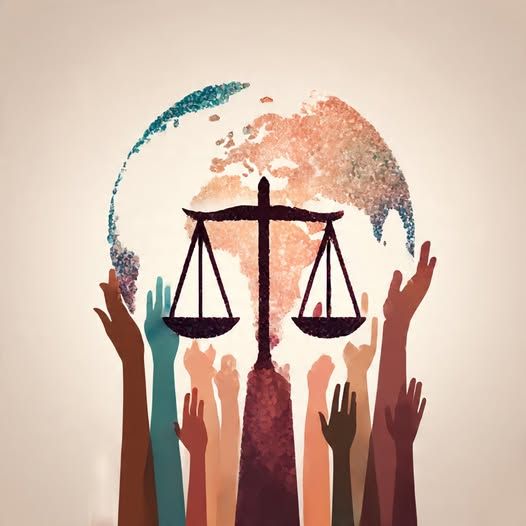
Human rights are commonly described as universal. In recent years, however, this characterization has increasingly been questioned. Are human rights understood and interpreted in the same way across different cultural and social contexts?

What Are Human Rights?

Human rights are the fundamental rights and freedoms that every person possesses simply by virtue of being human. This understanding became a global norm with the adoption of the Universal Declaration of Human Rights (UDHR) by the United Nations in 1948.

Article 1 of the Declaration states: “All human beings are born free and equal in dignity and rights.” This principle reflects the foundational values of equality and justice at the heart of the human rights framework. Accordingly, human rights apply to all individuals regardless of their identity and are considered to exist independently of state authority.

Why Are They Being Questioned?

Critics argue that the contemporary human rights framework, shaped largely by the historical experiences and intellectual traditions of the West, may not be as culturally neutral as it is often presented. As a result, it may not fully reflect the values, priorities, or social understandings of non-Western societies.

The debate over the universality of human rights therefore concerns whether these rights are truly universal or whether they primarily reflect a particular philosophical and cultural perspective. From this viewpoint, the language of “universality” can sometimes create the appearance of neutrality while also serving as a political instrument.

What Do Cultural Differences Mean?

Rights and freedoms may be interpreted differently according to the cultural, historical, and social characteristics of individual societies. Questions such as Should the individual or the community take priority?, Should order come before liberty?, or Should religion play a role in law? often lead to different conceptions of human rights and their implementation.

Can Universality Be Reconciled with Local Contexts?

This raises the broader question of whether human rights can be both universal in principle and locally interpreted in practice.

One possible answer is that universality does not necessarily require uniformity. Some scholars argue that while fundamental rights should be universal, their implementation may legitimately vary across different cultural and legal contexts. In this view, societies can reinterpret universal principles in ways that are consistent with their own historical and social realities.

At the same time, critics argue that Western states have often used the language of human rights as a strategic tool while applying these principles selectively in international affairs. This perceived double standard, particularly in relation to Muslim-majority and other non-Western societies, has weakened the credibility of claims to universality. It is within this context that discussions surrounding the decolonization of human rights have gained increasing prominence.

In Brief

Although human rights are commonly described as universal, there remains significant debate over what universality actually means and to what extent it is reflected in practice. The challenge is not only to define universal rights but also to determine how they can be interpreted and applied fairly across diverse cultural and political contexts.
Previous Post

What is the difference between migrant and refugee?

Next Post

FLA-JNIM Cooperation and Shifting Security Dynamics in Mali

Popüler Seçkiler

Afrika Haritalarda Neden Küçük Görünüyor?

Why Does Africa Appear Smaller on Maps?

8 September 2026
Salman Sayyid

Salman Sayyid

2 September 2026
Muhammed Abdullah Draz

Muhammad Abdullah Draz

2 September 2026
Nurettin Topçu

Nurettin Topçu

2 September 2026
Taha Abdurrahman

Taha Abdurrahman

2 September 2026
  • Taha Abdurrahman

    Taha Abdurrahman

    0 shares
    Share 0 Tweet 0
  • Nurettin Topçu

    0 shares
    Share 0 Tweet 0
  • Muhammad Abdullah Draz

    0 shares
    Share 0 Tweet 0
  • Salman Sayyid

    0 shares
    Share 0 Tweet 0
  • Why Does Africa Appear Smaller on Maps?

    0 shares
    Share 0 Tweet 0

 Platform: Current Muslim Affairs was established under the İLKE Foundation for Science, Culture and Education as a publication aimed at following and analyzing the intellectual, political, social, economic, and cultural agendas of Muslim societies, while offering original perspectives on the Muslim world.

  • ANALYSIS
  • NEWS
  • INTERVIEWS
  • VOICES
  • platform@ilke.org.tr
  • (0216) 310 43 18
  • Aziz Mahmut Hüdayi Mah. Türbe Kapısı Sk. No: 13 Üsküdar, İstanbul
Instagram X-twitter

2025 @ PLATFORM is an İLKE Foundation organization. All rights reserved.

No Result
View All Result
  • Analyses
  • Interviews
  • Database
    • Q-A
    • People
    • Institutions
    • Movements
  • Voices
  • News
  • DISCOVER
  • Authors