









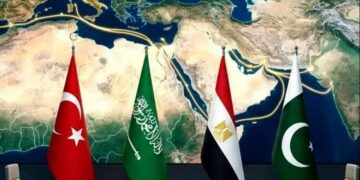




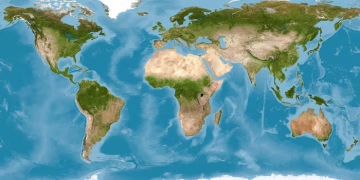






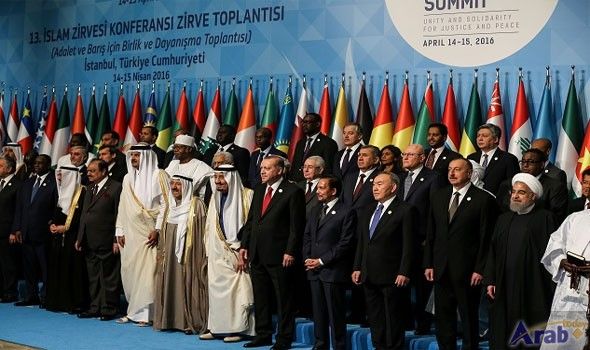
The Organisation of Islamic Cooperation (OIC) is an intergovernmental organization representing the Muslim world. It was established in 1969 following the arson attack on Al-Aqsa Mosque in occupied Jerusalem, during a summit held in Rabat, Morocco. With 57 member states, it is the second-largest intergovernmental organization after the United Nations (UN). Its headquarters are located in Jeddah, Saudi Arabia. The organization’s founding objectives are to safeguard the interests of the Muslim world and protect Islam’s holy sites.
What Is Its Role Today?
The OIC seeks to promote unity among the Muslim community (Ummah) and advocate for issues affecting Muslims worldwide. Its principal activities include:
- Protecting the vital interests of Muslim peoples.
- Promoting economic, humanitarian, and developmental cooperation among member states.
- Cooperating and consulting with the United Nations and other intergovernmental organizations to help resolve conflicts and disputes involving member states.
- Preserving the fundamental values of Islam and Muslim communities.
- Combating discrimination against Muslims and addressing misconceptions about Islam.
The OIC defines its mission as “safeguarding and protecting the interests of the Muslim world in the spirit of promoting international peace and harmony among the various peoples of the world.”
Is It an Effective Organization?
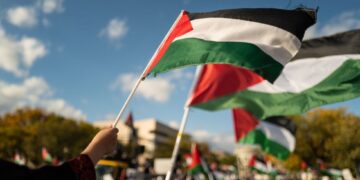
The effectiveness of the OIC remains a subject of debate. On the one hand, it holds considerable symbolic importance as an organization representing a large proportion of the world’s Muslim population. On the other hand, it has faced criticism for what many perceive as an insufficiently active response to the Palestinian issue and other major crises affecting the Muslim world. Diverging political interests among its member states often make it difficult to reach consensus and implement collective decisions.
In Brief
The OIC remains one of the most significant institutions representing the Muslim world. Its ability to play a more influential role in resolving regional and global crises depends largely on its capacity to overcome political divisions among its members. At a time when numerous regional and international crises continue to unfold, particularly the ongoing humanitarian crisis in Gaza, strengthening unity within the OIC and enhancing its collective action has become increasingly important.