


İLKE Vakfı
Platform
tr Türkçe en English
No Result
View All Result
  • PLATFORM
  • NEWS
    İLKE Agenda: Muzzammil Ayyub Thakur ile Keşmir’in “Filistinleştirilmesi”

    Khaled Beydoun: “Islamophobia is a modern manifestation of the crusades”

    Filistin Sempozyumu: Filistin ve Küresel İlişkilerin Geleceği

    Exploring Islam’s View on Slavery and Blackness: Seminar by Jonathan A.C. Brown

    The Conference on Contemporary Muslim Thought

    The Conference on Contemporary Muslim Thought

    Filistin Sempozyumu: Filistin ve Küresel İlişkilerin Geleceği

    Palestine Symposium: Palestine and the Future of Global Affairs

    İLKE Agenda: Muzzammil Ayyub Thakur ile Keşmir’in “Filistinleştirilmesi”

    The Platform Talks: Palestine after October 7 with Azzam Tamimi

    İLKE Agenda: Muzzammil Ayyub Thakur ile Keşmir’in “Filistinleştirilmesi”

    The Palestine Talks: Syria after December 8 with Kinda Hawasli

    İLKE Agenda: Muzzammil Ayyub Thakur ile Keşmir’in “Filistinleştirilmesi”

    İLKE Agenda: The “Palestinization” of Kashmir with Muzzammil Ayyub Thakur

  • ANALYSIS
    • All
    • Culture, Arts and Media
    • Economy
    • Education
    • Energy and Environment
    • Fundamental Rights and Freedoms
    • Migration
    • Opinion
    • Social Issues
    Türkiye’s Evolving Role in Preserving the Memory of the Srebrenica Genocide

    Türkiye’s Evolving Role in Preserving the Memory of the Srebrenica Genocide

    Hafızadan Gelecek Vizyonuna: Türkiye-Suudi Arabistan İlişkilerinde Yeni Dönem

    From Memory to Future Vision: A New Era in Turkiye-Saudi Arabia Relations

    Türkmen Halkının Manevi Önderleri Olan Büyük Sufi Alimler: Necmeddin Kübra, Yusuf Hemedânî ve Ebu Said Ebu’l-Hayr

    Great Sufi Scholars as the Spiritual Leaders of the Turkmen People: Najm al-Dīn Kubrā, Yusuf Hamadānī, and Abū Saʿīd Abū’l-Khayr

    Irak’ın Güzel Çocuklarının Hikayesi: Başkanın Pastası

    The Story of Iraq’s Beautiful Children: The President’s Cake

    Estetik Kırılma: İslam Dünyasında Modernleşme ve Kimlik Arayışı

    Aesthetic Rupture: Modernization and the Search for Identity in the Islamic World

    Batılı Filmlerde Müslümanların ve Afrika’nın Temsili

    The Representation of Muslims and Africa in Western Films

  • INTERVIEWS
    Casir el-Bergusi ile Filistin Mücadelesi ve Esaret Yılları Üzerine Bir Röportaj

    An Interview with Jaser Albarghouthi on the Palestinian Struggle and the Years of Captivity

    The Decolonization of Knowledge: Interview with Professor Souleymane Bachir Diagne

    The Decolonization of Knowledge: Interview with Professor Souleymane Bachir Diagne

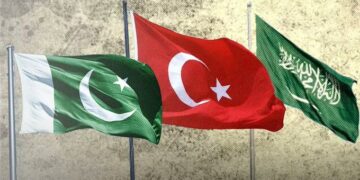
    A Possible New Breath in Regional Balances: The Alliance of Türkiye, Pakistan, Egypt, and Saudi Arabia

    A Possible New Breath in Regional Balances: The Alliance of Türkiye, Pakistan, Egypt, and Saudi Arabia

    From the Ballot Box to the Street: The Rising Social Wave in Tanzania After the Election

    From the Ballot Box to the Street: The Rising Social Wave in Tanzania After the Election

    Kafkasya’da Müslümanlar ve İslami Eğitim: TCDİB Kuzey Kafkasya Koordinatörü Selim Akburak ile Söyleşi

    Muslims and Islamic Education in the Caucasus: An Interview with Selim Burak North Caucasus Coordinator in Directorate of Religious Affairs

    Göçü Yönetmek: Dr. Mehmet Köse’yle Söyleşi

    Interview with Mehmet Köse

    Gurbet Hikayeleri

    Interview on Gurbet Hikayeleri

    İstanbul’daki Uluslararası Öğrencilerle Söyleşi

    Interview with International Students in Istanbul

    Zaytuna College Lisansüstü Eğitim Dekanı Maşuk Yamaç’la Söyleşi

    Interview with Mahsuk Yamac, Dean of Graduate Studies at Zaytuna College

  • VOICES
    Anas Altikriti | Voices from the Muslim World | Türkçe Altyazılı

    Anas Altikriti | Voices from the Muslim World | Türkçe Altyazılı

    Basil Mustafa (Oxford) | Voices from the Muslim World | with Turkish subtitles

    Basil Mustafa (Oxford) | Voices from the Muslim World | with Turkish subtitles

    OMAR SULEIMAN | VOICES FROM THE MUSLIM WORLD

    OMAR SULEIMAN | VOICES FROM THE MUSLIM WORLD

    Paul Williams | Voices from the Muslim World

    Paul Williams | Voices from the Muslim World

  • DATABASE
    • All
    • Institutions
    • Movements
    • People
    • Q-A
    Soykırım Nedir?

    What is Genocide?

    Halil el-Hayye

    Khalil al-Hayya

    Şeyh Hamad bin Halife Al Sani

    Sheikh Hamad bin Khalifa Al Thani

    NATO 3.0 Nedir?

    What is NATO 3.0?

    İbrahim Anlaşmaları Nedir?

    What are the Abraham Accords?

    Agnotoloji Nedir?

    What is Agnotology?

    Egemenlik Nedir?

    What is Sovereignty?

    Tekno-Feodalizm Nedir?

    What is Techno-Feudalism?

    Vekalet Savaşı Nedir?

    What is Proxy Warfare?

  • DISCOVER
  • PLATFORM
  • NEWS
    İLKE Agenda: Muzzammil Ayyub Thakur ile Keşmir’in “Filistinleştirilmesi”

    Khaled Beydoun: “Islamophobia is a modern manifestation of the crusades”

    Filistin Sempozyumu: Filistin ve Küresel İlişkilerin Geleceği

    Exploring Islam’s View on Slavery and Blackness: Seminar by Jonathan A.C. Brown

    The Conference on Contemporary Muslim Thought

    The Conference on Contemporary Muslim Thought

    Filistin Sempozyumu: Filistin ve Küresel İlişkilerin Geleceği

    Palestine Symposium: Palestine and the Future of Global Affairs

    İLKE Agenda: Muzzammil Ayyub Thakur ile Keşmir’in “Filistinleştirilmesi”

    The Platform Talks: Palestine after October 7 with Azzam Tamimi

    İLKE Agenda: Muzzammil Ayyub Thakur ile Keşmir’in “Filistinleştirilmesi”

    The Palestine Talks: Syria after December 8 with Kinda Hawasli

    İLKE Agenda: Muzzammil Ayyub Thakur ile Keşmir’in “Filistinleştirilmesi”

    İLKE Agenda: The “Palestinization” of Kashmir with Muzzammil Ayyub Thakur

  • ANALYSIS
    • All
    • Culture, Arts and Media
    • Economy
    • Education
    • Energy and Environment
    • Fundamental Rights and Freedoms
    • Migration
    • Opinion
    • Social Issues
    Türkiye’s Evolving Role in Preserving the Memory of the Srebrenica Genocide

    Türkiye’s Evolving Role in Preserving the Memory of the Srebrenica Genocide

    Hafızadan Gelecek Vizyonuna: Türkiye-Suudi Arabistan İlişkilerinde Yeni Dönem

    From Memory to Future Vision: A New Era in Turkiye-Saudi Arabia Relations

    Türkmen Halkının Manevi Önderleri Olan Büyük Sufi Alimler: Necmeddin Kübra, Yusuf Hemedânî ve Ebu Said Ebu’l-Hayr

    Great Sufi Scholars as the Spiritual Leaders of the Turkmen People: Najm al-Dīn Kubrā, Yusuf Hamadānī, and Abū Saʿīd Abū’l-Khayr

    Irak’ın Güzel Çocuklarının Hikayesi: Başkanın Pastası

    The Story of Iraq’s Beautiful Children: The President’s Cake

    Estetik Kırılma: İslam Dünyasında Modernleşme ve Kimlik Arayışı

    Aesthetic Rupture: Modernization and the Search for Identity in the Islamic World

    Batılı Filmlerde Müslümanların ve Afrika’nın Temsili

    The Representation of Muslims and Africa in Western Films

  • INTERVIEWS
    Casir el-Bergusi ile Filistin Mücadelesi ve Esaret Yılları Üzerine Bir Röportaj

    An Interview with Jaser Albarghouthi on the Palestinian Struggle and the Years of Captivity

    The Decolonization of Knowledge: Interview with Professor Souleymane Bachir Diagne

    The Decolonization of Knowledge: Interview with Professor Souleymane Bachir Diagne

    A Possible New Breath in Regional Balances: The Alliance of Türkiye, Pakistan, Egypt, and Saudi Arabia

    A Possible New Breath in Regional Balances: The Alliance of Türkiye, Pakistan, Egypt, and Saudi Arabia

    From the Ballot Box to the Street: The Rising Social Wave in Tanzania After the Election

    From the Ballot Box to the Street: The Rising Social Wave in Tanzania After the Election

    Kafkasya’da Müslümanlar ve İslami Eğitim: TCDİB Kuzey Kafkasya Koordinatörü Selim Akburak ile Söyleşi

    Muslims and Islamic Education in the Caucasus: An Interview with Selim Burak North Caucasus Coordinator in Directorate of Religious Affairs

    Göçü Yönetmek: Dr. Mehmet Köse’yle Söyleşi

    Interview with Mehmet Köse

    Gurbet Hikayeleri

    Interview on Gurbet Hikayeleri

    İstanbul’daki Uluslararası Öğrencilerle Söyleşi

    Interview with International Students in Istanbul

    Zaytuna College Lisansüstü Eğitim Dekanı Maşuk Yamaç’la Söyleşi

    Interview with Mahsuk Yamac, Dean of Graduate Studies at Zaytuna College

  • VOICES
    Anas Altikriti | Voices from the Muslim World | Türkçe Altyazılı

    Anas Altikriti | Voices from the Muslim World | Türkçe Altyazılı

    Basil Mustafa (Oxford) | Voices from the Muslim World | with Turkish subtitles

    Basil Mustafa (Oxford) | Voices from the Muslim World | with Turkish subtitles

    OMAR SULEIMAN | VOICES FROM THE MUSLIM WORLD

    OMAR SULEIMAN | VOICES FROM THE MUSLIM WORLD

    Paul Williams | Voices from the Muslim World

    Paul Williams | Voices from the Muslim World

  • DATABASE
    • All
    • Institutions
    • Movements
    • People
    • Q-A
    Soykırım Nedir?

    What is Genocide?

    Halil el-Hayye

    Khalil al-Hayya

    Şeyh Hamad bin Halife Al Sani

    Sheikh Hamad bin Khalifa Al Thani

    NATO 3.0 Nedir?

    What is NATO 3.0?

    İbrahim Anlaşmaları Nedir?

    What are the Abraham Accords?

    Agnotoloji Nedir?

    What is Agnotology?

    Egemenlik Nedir?

    What is Sovereignty?

    Tekno-Feodalizm Nedir?

    What is Techno-Feudalism?

    Vekalet Savaşı Nedir?

    What is Proxy Warfare?

  • DISCOVER
No Result
View All Result
Platform
No Result
View All Result
tr Türkçe en English
Home Database Q-A

What are the Abraham Accords?

Editör İlke by Editör İlke
6 July 2026
in Q-A
İbrahim Anlaşmaları Nedir?
Share on FacebookShare on Twitter

The Abraham Accords refer to the diplomatic normalization process that began in 2020 between Israel and several Arab nations. Brokered by the United States, these accords were viewed as the beginning of a new era among countries that had not maintained official diplomatic relations for decades. However, the Abraham Accords face criticism for weakening the Palestinian cause and deepening the humanitarian crisis, rather than fostering regional peace.

What are the Abraham Accords?

The Abraham Accords are named after Abraham, who is regarded as a common patriarch in Islam, Christianity, and Judaism. The process began with the normalization agreements signed in Washington on September 15, 2020, between Israel, the United Arab Emirates (UAE), and Bahrain. Later that year, Sudan and Morocco also joined the process under different scopes and conditions.

On paper, the primary objective of the accords is to establish or re-establish diplomatic relations, enhance economic cooperation, and develop security partnerships among the nations involved. In this context, embassies have been opened, direct flights have commenced, and numerous agreements have been signed in fields such as trade, tourism, technology, energy, and defense.

Which Countries Participated in the Accords?

The countries that participated in the Abraham Accords are:

  • United Arab Emirates
  • Bahrain
  • Sudan
  • Morocco

The participation process and motivations varied for each country. For instance, Morocco’s decision to normalize relations with Israel coincided with the U.S. recognition of Moroccan sovereignty over Western Sahara. Meanwhile, Sudan’s role in the process was tied to its removal from the U.S. State Sponsors of Terrorism list.

What is the Purpose of the Accords?

The official goals of the accords include developing diplomatic relations, strengthening regional stability, and increasing economic cooperation. In reality, however, Israel is seen as attempting to establish political hegemony over the Arab world under the guise of the Abraham Accords.

Iran’s regional influence and the shifting geopolitical dynamics in the Middle East are also crucial background factors. It is assessed that a shared security perspective against Iran’s regional influence played a significant role in the normalization decisions of countries like the UAE and Bahrain. Most importantly, the Abraham Accords aim to put political pressure on the deep humanitarian crisis and conflicts in Gaza.

What is Their Relationship with the Palestinian Issue?

One of the most debated aspects of the Abraham Accords is the Palestinian issue.

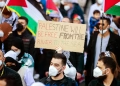
The Arab Peace Initiative, adopted in 2002, largely conditioned the normalization of relations between Arab states and Israel on the establishment of an independent Palestinian state. The Abraham Accords significantly altered this approach. The participating countries demonstrated that diplomatic relations could be established with Israel even without a resolution to the Palestinian conflict.

Consequently, while some circles view the accords as a major diplomatic step for regional peace, current developments indicate that the Abraham Accords emerged with the underlying aim of weakening the priority of the Palestinian cause within the Arab world.

Why Are They Important?

The Abraham Accords mark a significant shift in the policies of certain Arab countries that had refrained from establishing diplomatic ties with Israel for decades. Nevertheless, differing assessments persist regarding the long-term impacts of the accords on regional peace and their contribution to resolving the Palestinian issue.

In Brief

The Abraham Accords represent the diplomatic normalization process initiated in 2020 between Israel and several Arab nations. While the accords have contributed to the development of new economic and political collaborations in the Middle East, they have also sparked significant debates regarding the status of the Palestinian issue within regional politics.

Following the war in Gaza and escalating regional tensions, political and social support for normalization with Israel has weakened in some Arab countries. Notably, the long-discussed normalization process between Saudi Arabia and Israel has slowed down. Despite this, the U.S. continues to view expanding the Abraham Accords and bringing new regional countries into the fold -especially amidst the ongoing Iran crisis- as a key foreign policy objective. Therefore, the Abraham Accords remain regarded as one of the most remarkable diplomatic developments of recent years.
Previous Post

What is Agnotology?

Next Post

An Interview with Jaser Albarghouthi on the Palestinian Struggle and the Years of Captivity

  • Soykırım Nedir?

    What is Genocide?

    0 shares
    Share 0 Tweet 0
  • Türkiye’s Evolving Role in Preserving the Memory of the Srebrenica Genocide

    0 shares
    Share 0 Tweet 0
  • What is Genocide?

    0 shares
    Share 0 Tweet 0
  • Khalil al-Hayya

    0 shares
    Share 0 Tweet 0

Platform: Agenda of the Muslim World was established within the İLKE Science Culture Education Foundation as a publication organ that aims to follow and analyze the intellectual, political, social, economic and cultural agendas of Muslim societies and to present current and original perspectives on the Muslim world.

  • ANALYSIS
  • NEWS
  • INTERVIEWS
  • VOICES
  • platform@ilke.org.tr
  • (0216) 310 43 18
  • Aziz Mahmut Hüdayi Mah. Türbe Kapısı Sk. No: 13 Üsküdar, İstanbul
Instagram X-twitter

2025 @ PLATFORM is an İLKE Foundation organization. All rights reserved.

No Result
View All Result
  • Issues
  • Platform English