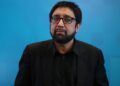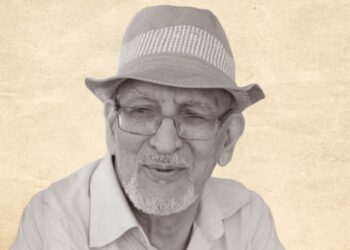














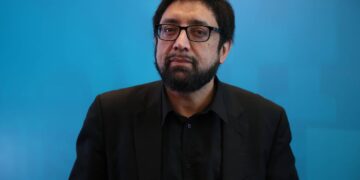




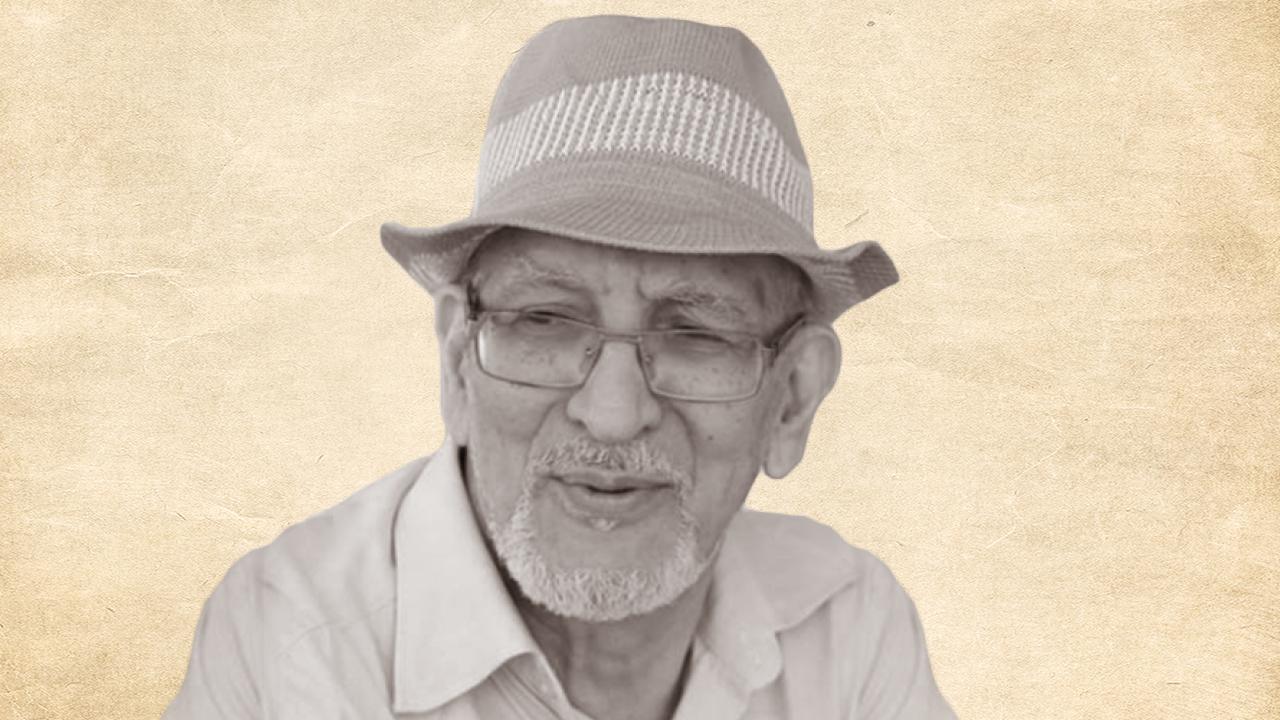
Born in the Moroccan city of El Jadida in 1944, Taha Abdurrahman is one of the most competent logicians, linguists, and moral philosophers in contemporary Islamic thought. After completing his higher education at Mohammed V University in Rabat, he earned his doctorate in the logic and philosophy of language from Sorbonne University. Spending many years of his academic career in Rabat, the thinker developed an original method of reflection by filtering classical Islamic heritage and modern Western philosophy through high-level logical and linguistic analysis.
The focal point of Abdurrahman’s intellectual system is his placement of the concept of “ethics” at the center of philosophy and modernization debates. Rejecting Western-style modernization as a single and mandatory model, the philosopher conceptualized the notions of “Ethical Modernity” and “Islamic Modernity.” According to him, reason or politics isolated from morality is doomed to lead humanity to destruction. In this regard, he criticized Eurocentric intellectual guardianship and advocated that Muslim societies must construct a new reason built upon their own revelation and moral values without resorting to blind imitation. Through masterpieces such as The Spirit of Modernity, The Question of Ethics, and Knowledge Derived from Religious Action, he did not merely critique the status quo; he offered a vibrant proposal for tajdid (renewal) at the level of methodology and procedure.
Widely regarded as one of the greatest living Islamic philosophers today, Taha Abdurrahman continues to leave a profound mark on the intellectual world through works that place ethics at the center of knowledge and existence.
For an analytical article on the topic: Taha Abdurrahman: The Sufi Philosopher