





































In the city of Lamu, there are no to-do lists or hectic days; there is only savoring the present moment. As the Swahili say: “Pole pole”-slowly, calmly.
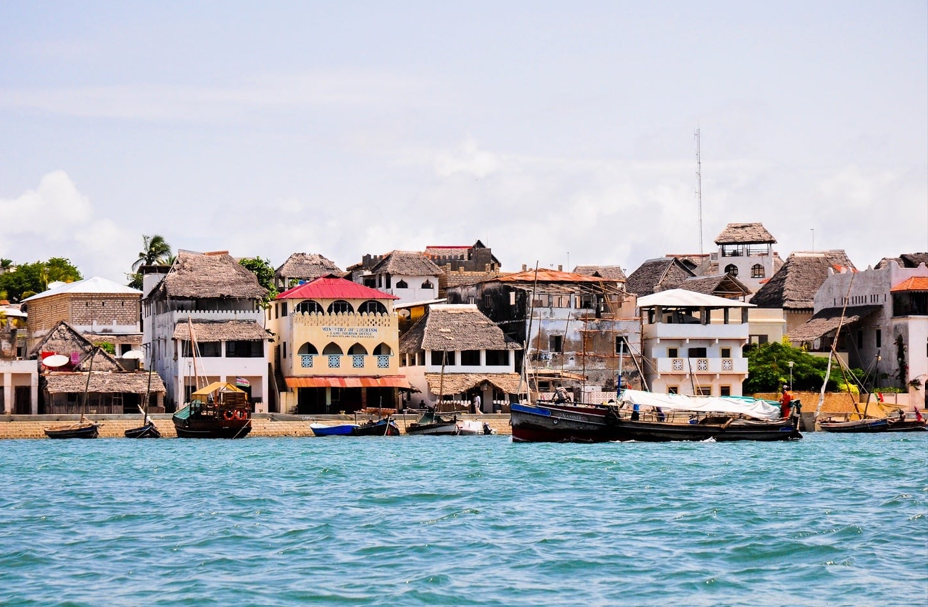
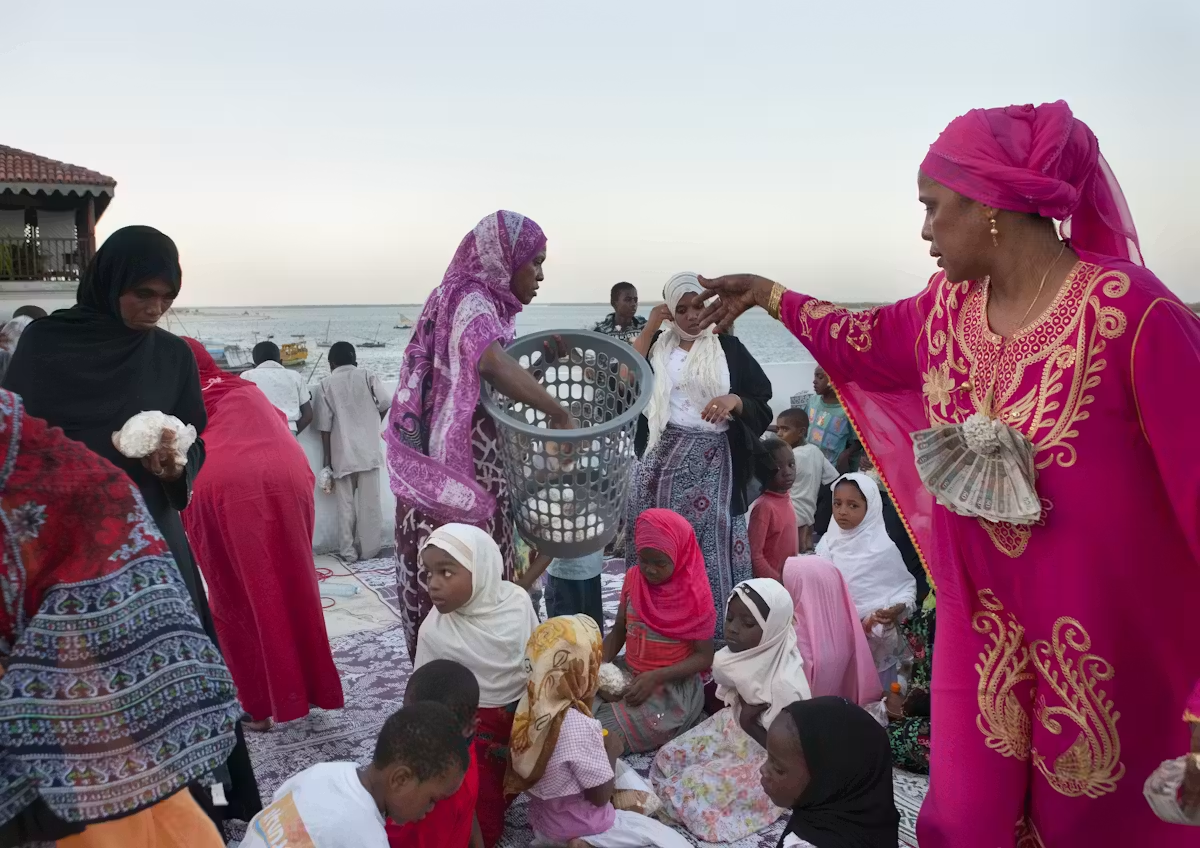
Where the turquoise waters of the Indian Ocean meet the East African coast, the rhythm of time blends with the ocean waves. An ancient settlement on Kenya’s northern coast, Lamu has been one of the brightest centers of East African Swahili culture, maritime trade, and Islamic scholarship since the 12th century. Home to an almost entirely Muslim population, the island features more than 30 historic mosques. It also hosts the traditional annual Maulidi Festival, held to celebrate the birth of the Prophet Muhammad.
A safe haven for centuries to merchants carrying spices, ivory, and textiles, as well as sailors and poets, Lamu Old Town was a crossroad of civilizations. The Lamu Archipelago offers a rich blend of Swahili, Arab, Chinese, and Indian cultures.
The Historical Heritage of Lamu
The history of Lamu was shaped by struggles for dominance over Indian Ocean trade routes. It endured Portuguese occupation, the strong cultural influence of the Omani Sultanate, and British colonial rule. When regional trade routes shifted after Kenya declared independence, Lamu stepped away from its position as a global trade hub.
However, this transition allowed the city to preserve its unique architecture and traditional way of life. This priceless cultural richness was officially recognized by UNESCO in 2001, when Lamu Old Town was declared a World Heritage Site.
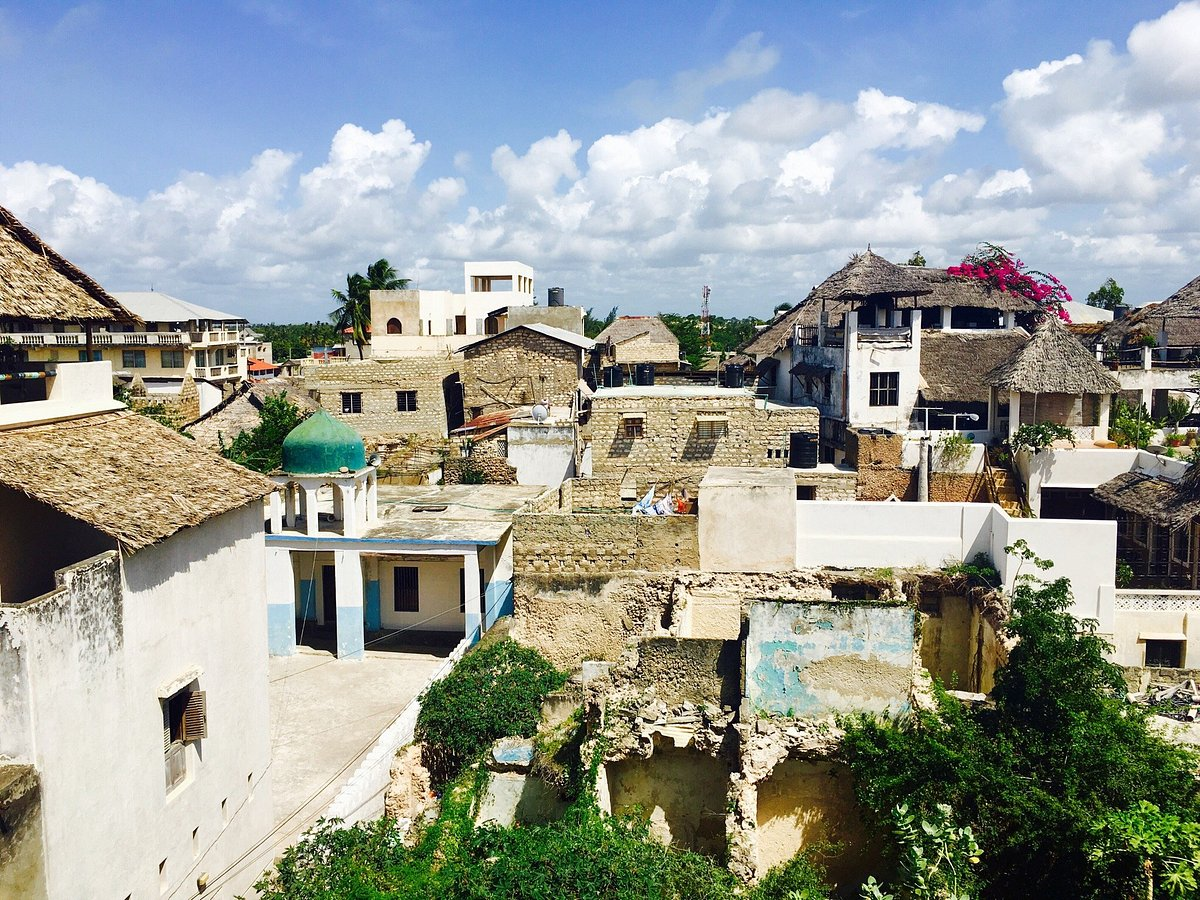
Coral Stones and Carved Doors
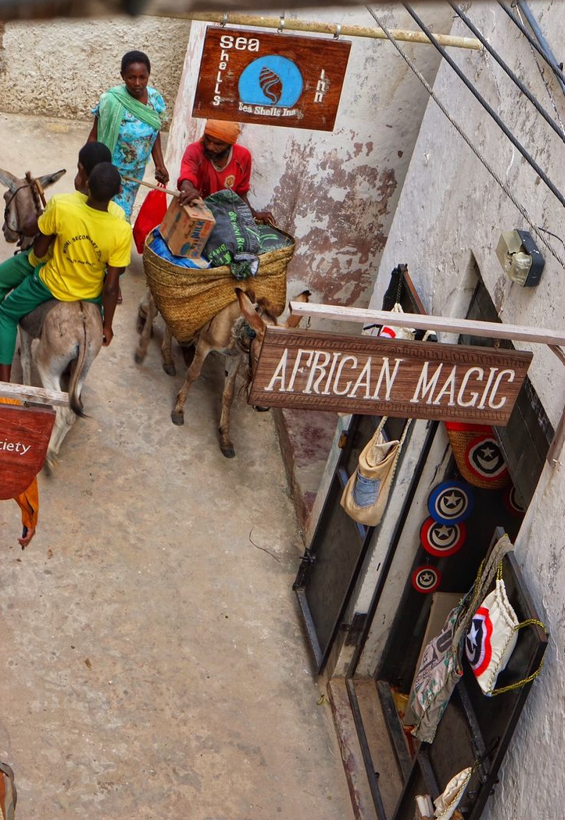
The most captivating feature that sets Lamu apart from other historic cities today is that East African Swahili architecture and traditional living have survived almost entirely intact. In narrow, labyrinthine streets completely free of motorized vehicles—where transportation is provided solely on foot or by thousands of donkeys—houses built from coral stone rise gracefully.

Serving as the city’s architectural signature, the heavy, hand-carved wooden doors are true works of art, revealing the status, wealth, and heritage of the homeowners. Sturdy ceilings crafted from mangrove timber, cool rooms opening onto inner courtyards, and the silhouettes of traditional dhow sailboats gliding along the shore seem to freeze time in the 18th century for this ancient coastal town.
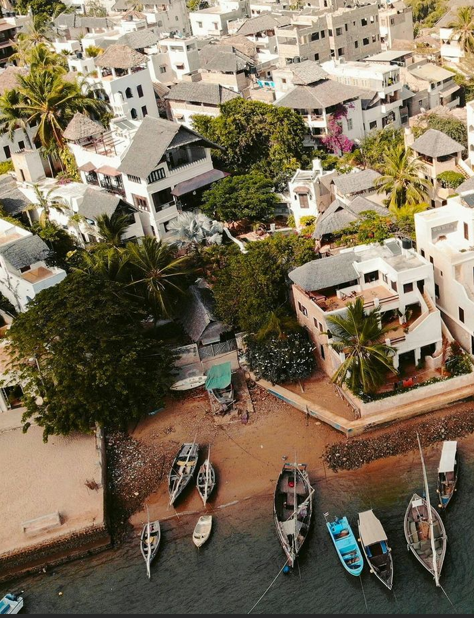
Lamu Faces the Risk of Losing Its UNESCO World Heritage Status
Today, Lamu struggles against the transformation pressures brought on by globalization, unchecked tourism, and massive industrial and port projects rising in the region.
UNESCO warns that Lamu is under potential threat due to “mega-projects” and urbanizing daily practices.
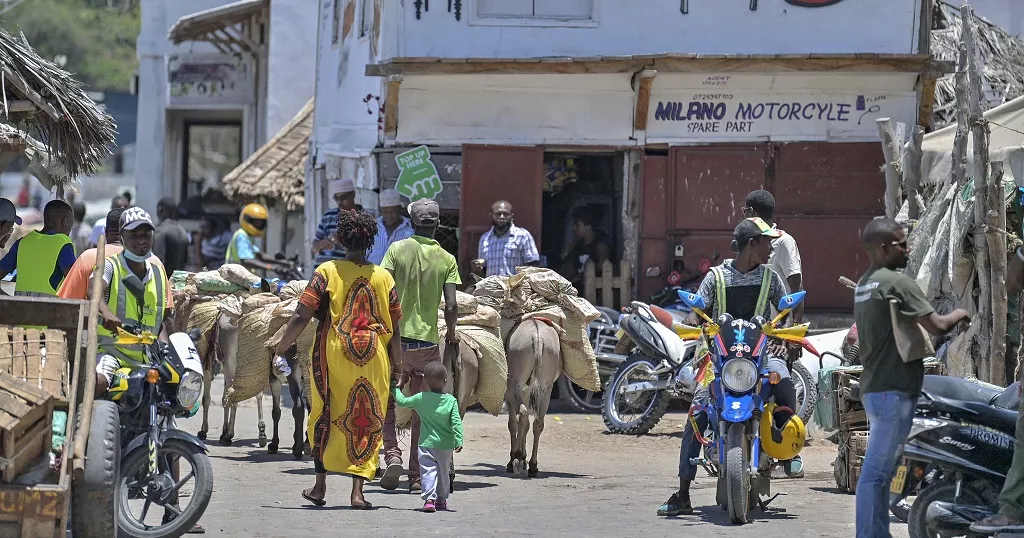
Lamu’s narrow, winding streets were designed for centuries exclusively for pedestrians and the island’s iconic donkeys. However, motorcycle taxis known as “boda bodas” now crowd the alleyways, eroding the city’s World Heritage status.
Unmanaged solid waste and the proliferation of shops and stalls along the waterfront-contravening UNESCO requirements-stand out as other critical factors risking the town’s integrity and authenticity.