































Critical minerals stand among the most vital concepts shaping future technologies, the green transition, and new power balances. So, why are these strategic raw materials, often referred to as the oil of the 21st century, so important?
What is a critical mineral?
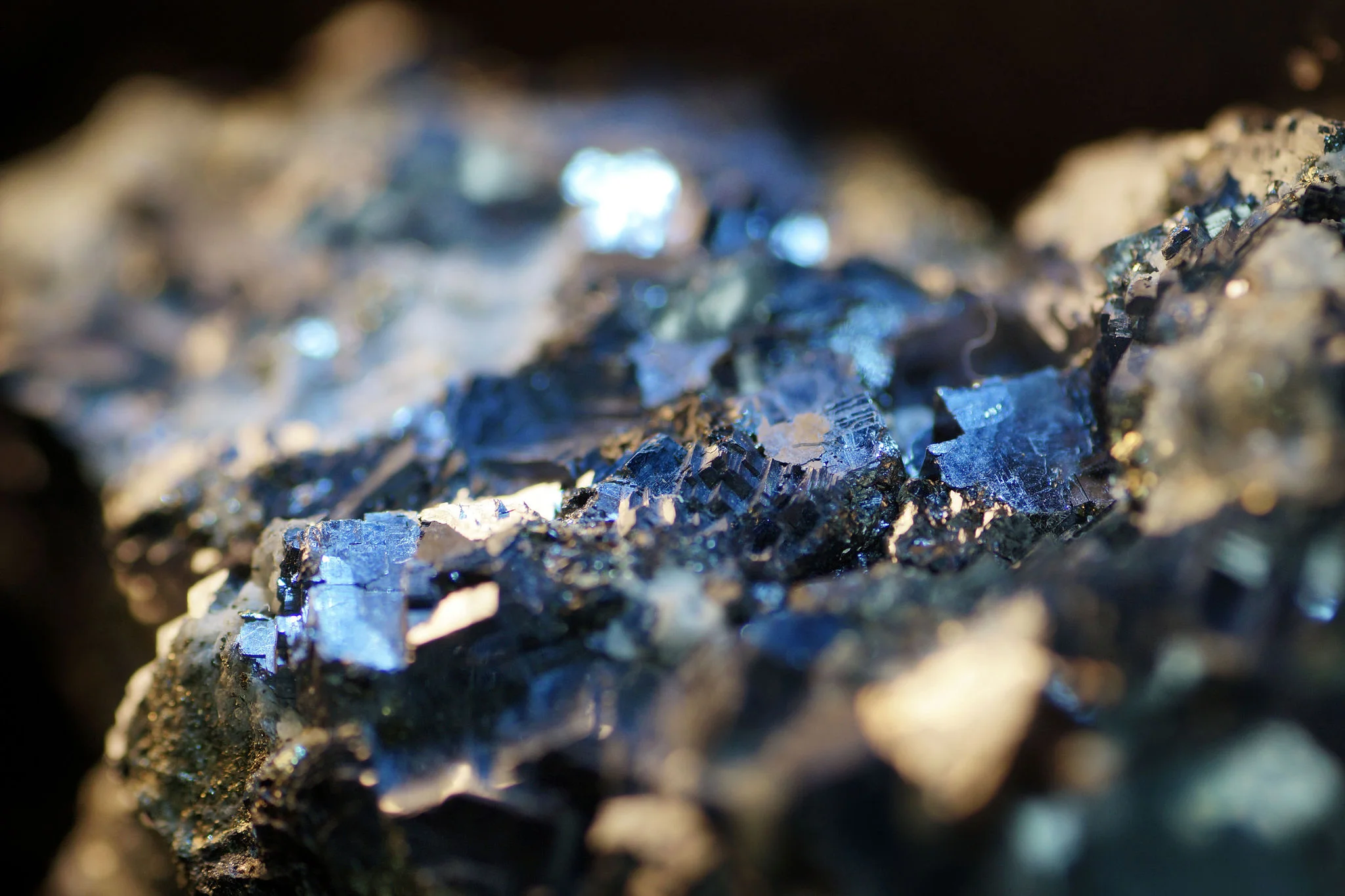
Critical minerals are natural resources essential for emerging technologies, clean energy systems, electric vehicles, and the defense industry. However, they harbor high vulnerability within their supply chains. Lithium, cobalt, nickel, graphite, and rare earth elements are among the most well-known examples of this group.
A mineral is designated as “critical” not merely because of its scarcity in nature, but due to its indispensability to modern industry and the extreme difficulty of its substitution that is, replacing it with another material.
The issue of critical minerals is not simply about mining ore from underground or commercial trade; it lies at the very heart of the global power struggle, technological sovereignty, and national security. From wind turbines and solar panels to smartphones, fighter jets, and missile defense systems, nearly all the technologies that the modern world relies on depend on these minerals.
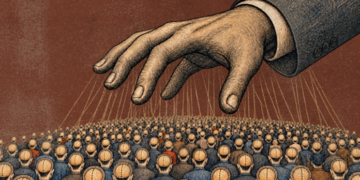
This dependency creates new power hierarchies and geopolitical risks in the global equation. Just as oil crises shook the global economy and politics in the past, restricting access to critical minerals today could leave states facing severe technological and economic crises.
Why are they on the agenda today?
Two main factors underlie why critical minerals are being so intensely debated today: the pressure of the green transition triggered by the climate crisis, and extreme geographical concentration in supply chains.
The transition from fossil fuels to renewable energy has driven demand for these minerals to unprecedented historical levels. For example, producing an electric car requires nearly six times more minerals than a conventional vehicle. However, the real crisis lies in the fact that the extraction, and especially the processing, of these resources is controlled by only a handful of countries. China’s overwhelming dominance in processing rare earth elements and in lithium-refining capacity poses a major supply risk for the entire world, particularly Western nations.
Escalating trade wars, national security concerns, and “resource nationalism” have turned critical minerals into the hottest front line of global competition. To safeguard their strategic autonomy and free their supply chains from dependence on a single hub, countries are forging new alliances and making massive investments.
In Short
The debate over critical minerals allows us to understand not just a search for raw materials, but who will shape the technology, economy, and global power architecture of the future. The control, sustainability, and equitable distribution of these minerals will play a decisive role both in the success of the green transition and in the geopolitical dynamics of the coming era.