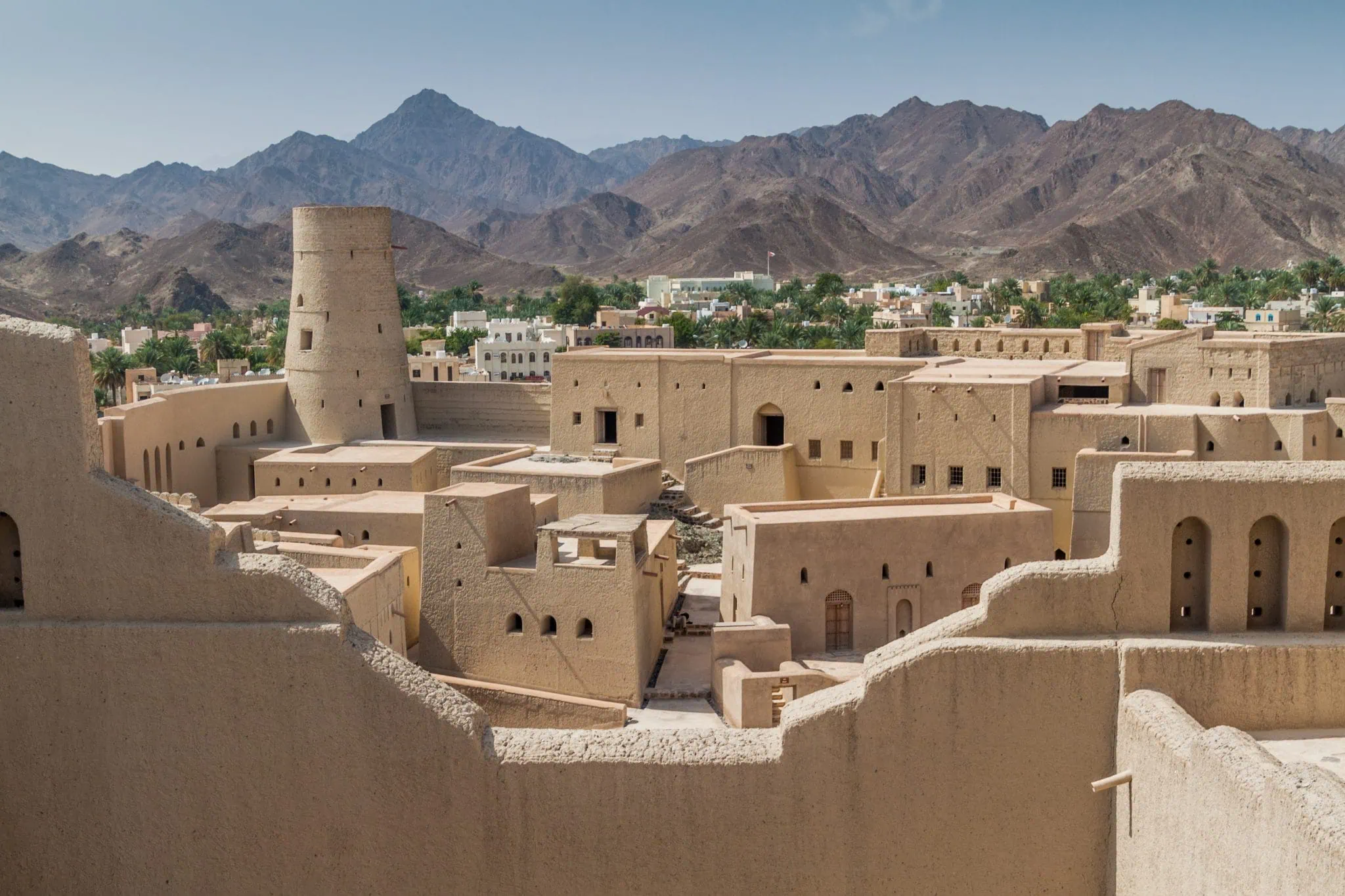



































Located in the interior of Oman, approximately 25 kilometres west of Nizwa, Bahla Fort is one of the country’s most important historical and cultural landmarks. The fort and its surrounding oasis settlement were inscribed on the UNESCO World Heritage List in 1987, placing them under international protection.
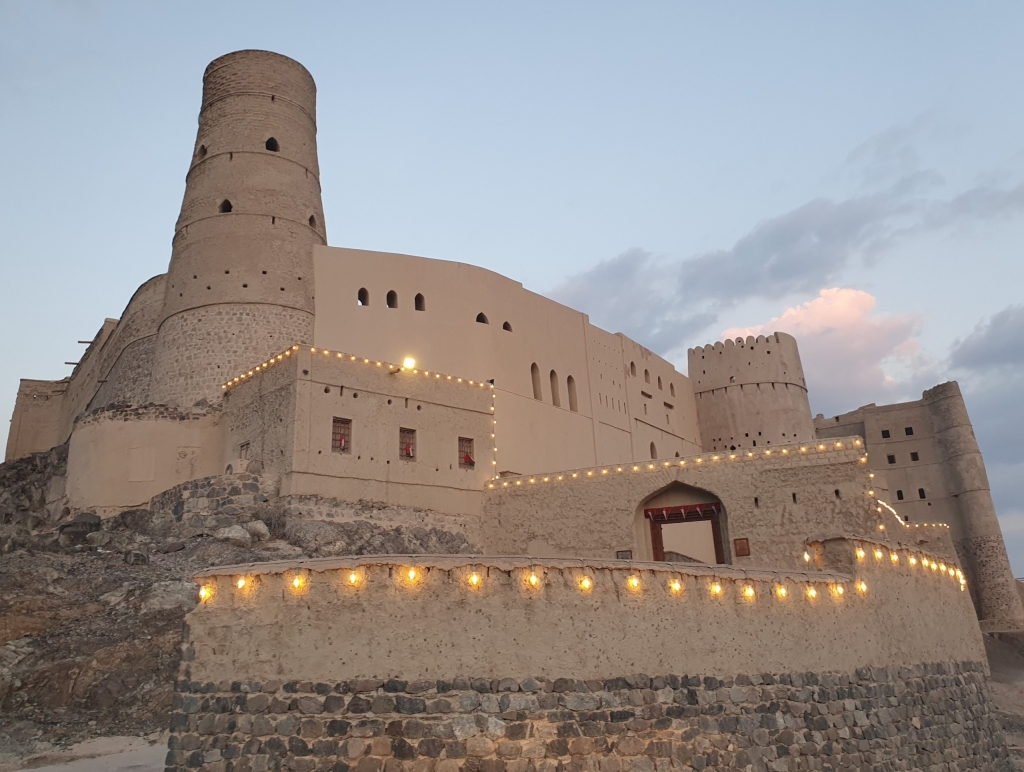
One of the most significant periods in Bahla’s history was the rule of the Banu Nebhan dynasty, which controlled the region from the 12th century until the late 15th century. Making Bahla their capital, the Banu Nebhan established a powerful political and economic centre. Today, the fort’s imposing walls and towers, built primarily from mud brick, reflect the power and architectural traditions of this period.
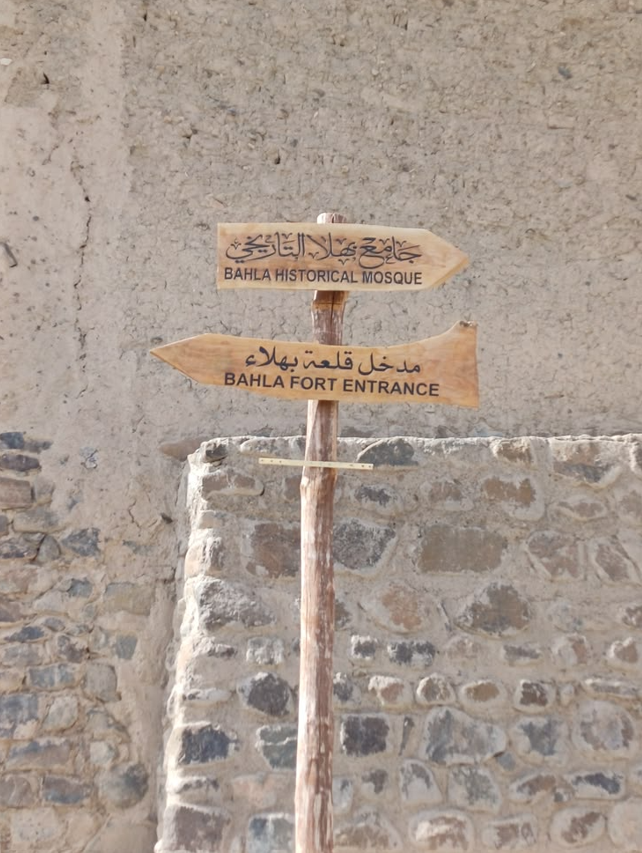
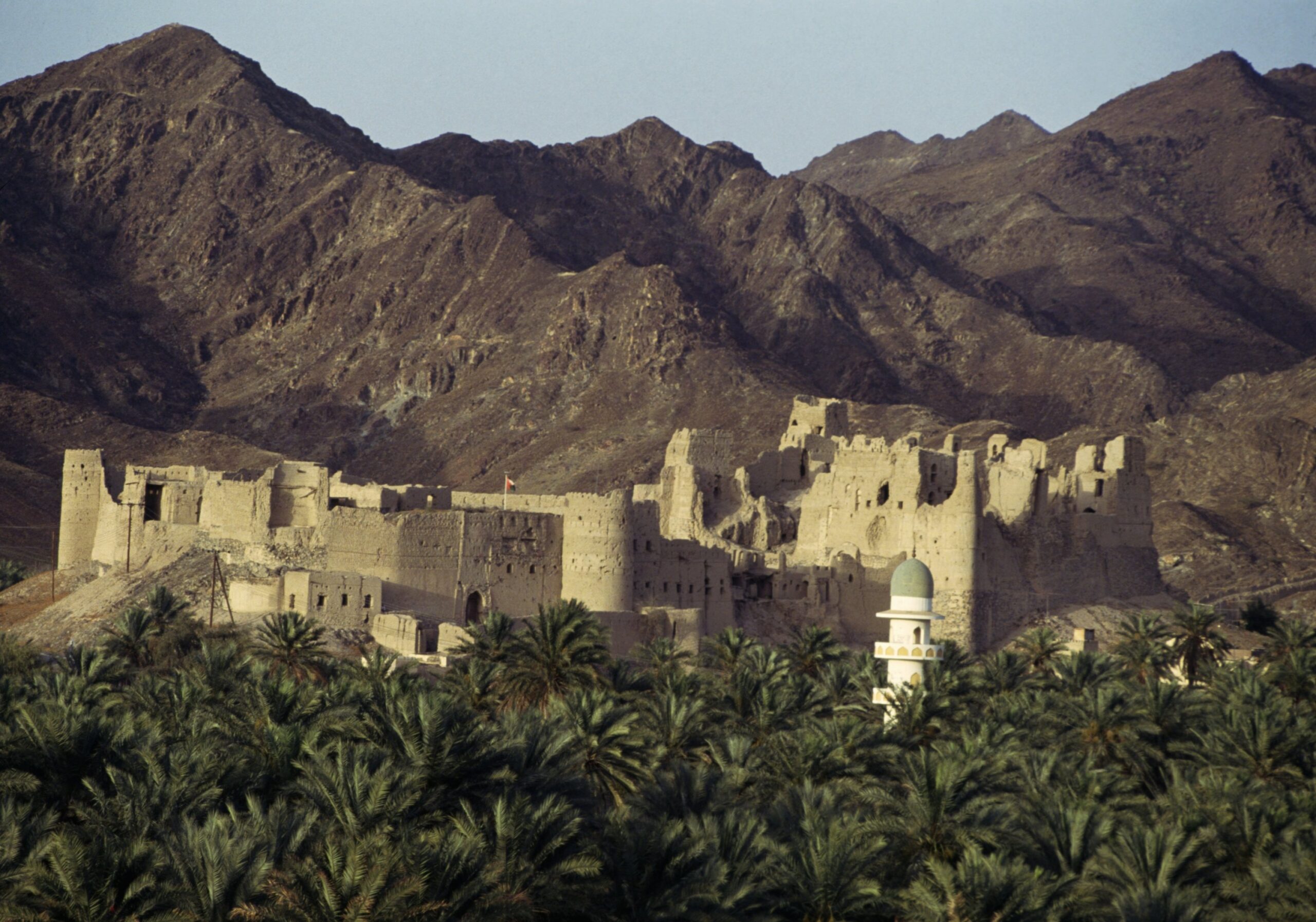
Bahla’s historical significance extends far beyond the fort itself. The fort stands at the heart of a larger oasis settlement surrounded by defensive walls and featuring traditional houses, mosques, baths, palm groves, and an old marketplace. The Bahla Friday Mosque, located beside the fort, is particularly notable for its richly decorated mihrab and represents an important example of the region’s Islamic architectural heritage. Bahla also became an important centre of Ibadi Islam and played a role in the development of Oman’s historic imamate tradition.
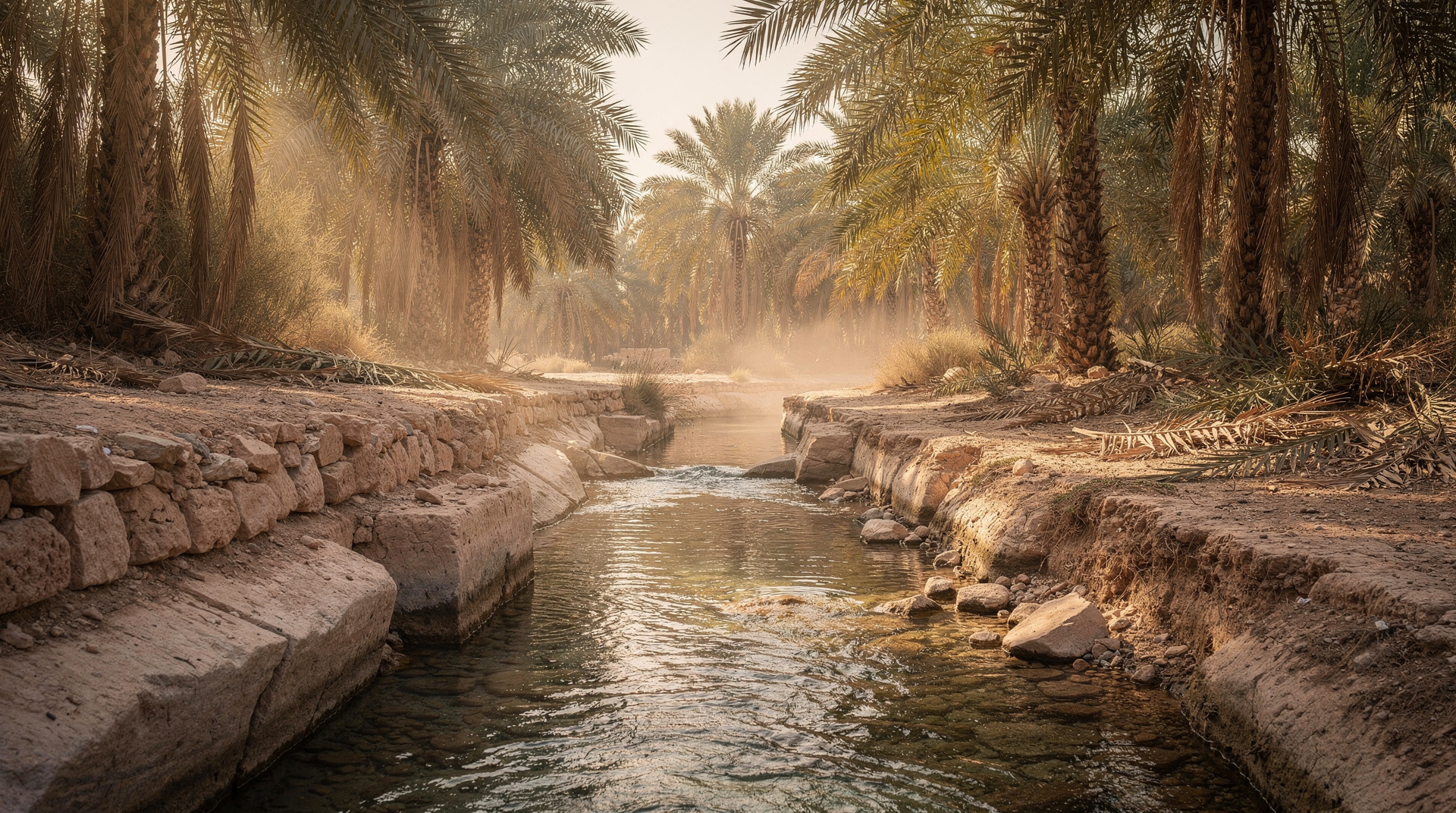
The development of the settlement was closely connected to the aflaj water system. Through a network of underground channels and wells, water was transported from distant sources to support agriculture and sustain the oasis community. The system represents an important example of the water-management and engineering knowledge developed by Omani communities over centuries
Bahla’s cultural heritage extends beyond its architecture. The shops in the old marketplace, traditional houses, wooden doors, and decorative window designs preserve traces of the region’s rich craft traditions. Considered as a whole, the fort, mosques, settlement, and falaj system offer a unique insight into how defence, urban life, agriculture, and community developed together in the medieval Islamic world.
Today, Bahla Fort is more than a monument to Oman’s past. Together with the surrounding oasis, it offers a way to explore the country’s architectural, religious, social, and engineering heritage. The site demonstrates how settlements in the Islamic world developed not simply around monumental buildings, but as interconnected systems shaped by water resources, places of worship, marketplaces, agriculture, and everyday life.